End Clogging Headaches: Anti-Clog Polyurethane Slotted Screens for Sand and Gravel
If you run a wash plant, you know the frustration: your screen deck gets clogged with wet, sticky sand, and suddenly your throughput drops to a crawl. You’re forced to stop production to bang the screen clean, wasting time and money. For washed sand and gravel classification, the anti-clogging polyurethane slotted screen isn’t just an upgrade—it’s a necessity for staying profitable.
Why Traditional Screens Fail in Wet Classification
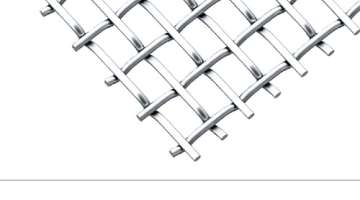
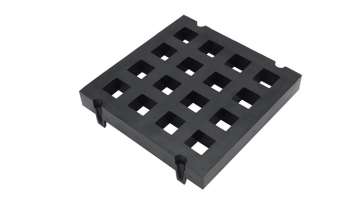
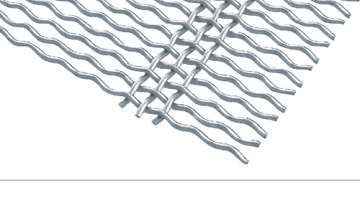
Standard square-mesh screens struggle with washed aggregates. When water mixes with fine sand and clay particles, it creates a paste-like slurry. These fine particles wedge themselves into square openings and refuse to fall through—a problem known as "blinding." Square holes also trap elongated "chips" or "slivers" of gravel, leading to inefficient sizing. The result is poor dewatering, off-spec product, and endless manual cleaning.
Advantages of the Slotted Design: A Perfect Blend of Design and Physical Properties
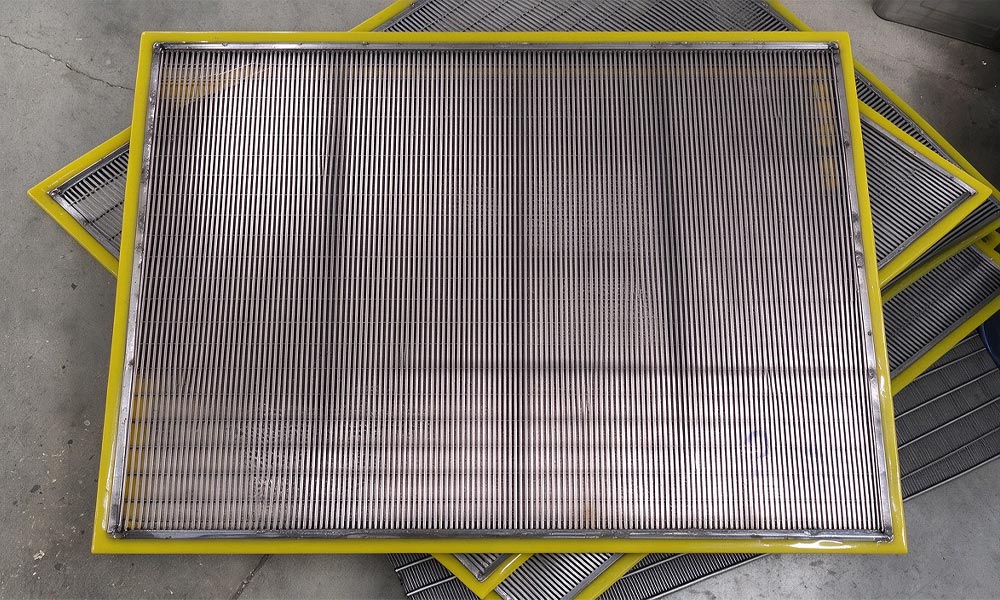
Anti-clogging polyurethane slotted screens address common operational issues through two ingenious design features. Instead of square apertures, they utilize a narrow, elongated slot design. This shape naturally facilitates the passage of flat or elongated particles that would otherwise clog square openings. Furthermore, the screen's high elasticity and secondary vibration effect cause the polyurethane to deform upon impact by the material; this "rebound" action ejects trapped particles, effectively preventing blinding.
Performance of Anti-clogging Polyurethane Slotted Screens in Sand and Gravel Washing
These screens excel in sand and gravel washing applications, particularly when used as lower-deck panels or on dewatering screens. Their advantages include: First, precise classification—accurately sorting sand into specific size grades; second, superior dewatering—the slotted design allows for rapid water drainage while retaining solid particles, resulting in a product with lower moisture content that is easier to stockpile; and third, reduced maintenance—operators report that downtime associated with cleaning and clearing trapped material is reduced by up to 80% compared to traditional wire mesh screens.
Choosing the Right Slot
Not all polyurethane slotted screens are identical. For fine sand, you’ll want narrower slot widths. For coarser gravel, wider slots are suitable. The direction of the slots matters too—slots running parallel to the flow are great for dewatering, while transverse slots can improve screening efficiency for certain shapes. Always consult your supplier to match the slot profile to your specific gradation requirements.
Switching to anti-clogging polyurethane slotted screens transforms the washed sand and gravel classification process. By eliminating blinding and pegging, you achieve higher throughput, produce a consistently drier and better-sized product, and drastically cut maintenance hours. For any aggregate producer battling wet, sticky material, this technology is the key to unlocking better efficiency.