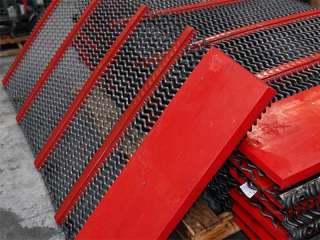
A full life-cycle cost calculation almost always shows that high-quality, durable Self-Cleaning Screens deliver 40–60% lower total long-term operating costs than cheaper generic screening media
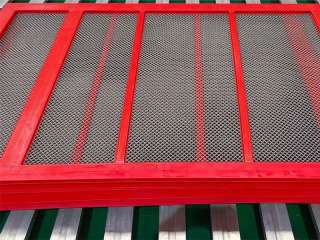
For manganese ore beneficiation operations that process high-hardness, fine-grained, often high-moisture manganese feed, even standard self-cleaning screens can face gradual aperture clogging that drags down screening efficiency by 20%
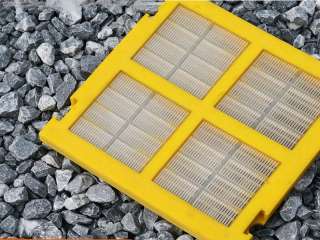
For quartz sand high-purity beneficiation operations that require extremely strict classification accuracy and zero metal contamination of the final product, picking the right Polyurethane Screen Type is one of the most critical step
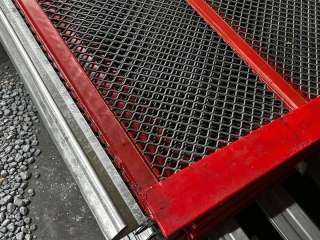
Self-Cleaning Screen Quality Testing runs continuous high-abrasion material feed for a standardized 72-hour test period, measuring the total surface material loss and checking for any signs of surface fatigue cracking
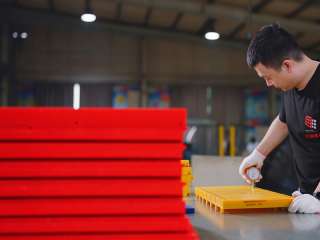
For mineral processing operations sourcing large volumes of screening media, verifying panel surface hardness before installation is one of the most reliable ways to confirm the Surface Hardness Test of Polyurethane Screen panels
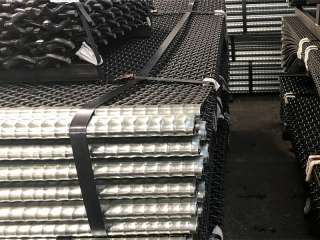
A clear, well-documented compatibility system for your mixed fleet of vibrating screen frames and Woven Metal Screens drastically reduces installation errors
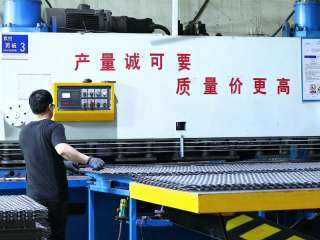
For mineral processing equipment suppliers and international trade teams shipping Woven Wire Screens to overseas mining, quarry and aggregate clients, a poorly prepared third-party inspection can easily lead to costly shipment delays
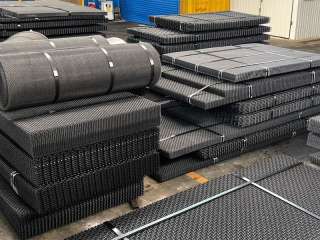
For busy mineral processing, quarrying and aggregate production sites that stock 5 to 10 different Color-Coding for Woven Metal Screens specifications for different screening stages
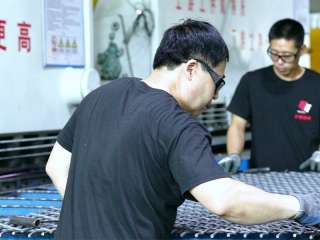
Proper frequency matching between the vibrating screen and the Woven Metal Screen can easily double the average service life of the screen panel while keeping screening efficiency at a consistently high level
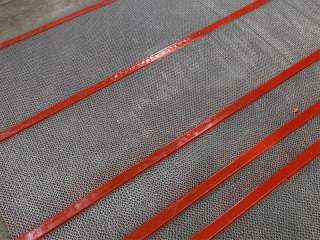
Self-Cleaning Screen in Copper Concentrate Dewatering serves as a practical, high-impact upgrade that fits seamlessly into existing workflows without full line reconstruction
