For mineral processing operations sourcing large volumes of screening media,
verifying panel surface hardness before installation is one of the most reliable
ways to confirm the Surface Hardness Test of Polyurethane Screen panels they
receive match the exact material formulation ordered, instead of getting
under‑cured, low‑quality panels that fail far earlier than expected on site.
Many teams skip this simple verification step and only check dimensions and
aperture size on delivery, only to find new screens are far softer than
specified, wearing out in half the expected service life and creating
unnecessary unplanned downtime. A clear, standardized workflow for the Surface
Hardness Test of Polyurethane Screen panels, paired with reasonable, practical
acceptance criteria, eliminates this hidden quality risk and guarantees every
installed panel delivers the expected performance.
Standard Shore Hardness Test Field Operation Process
The most widely used, practical test method for on‑site and factory quality
control is the Shore A durometer test, which requires no complex lab equipment
and can be completed in seconds by regular maintenance or quality team members
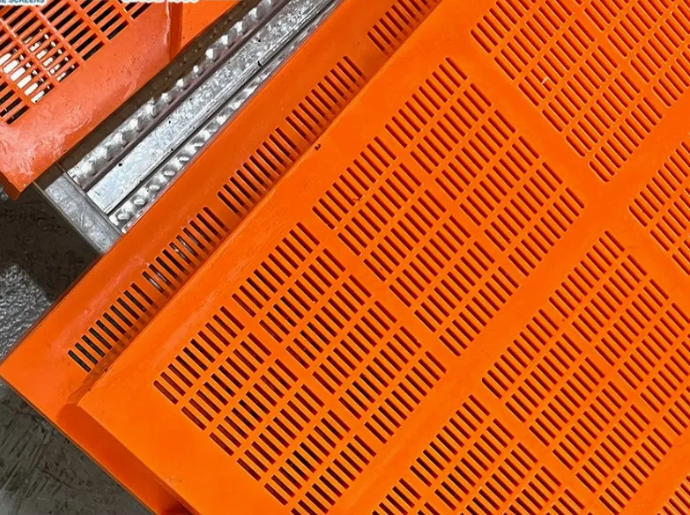
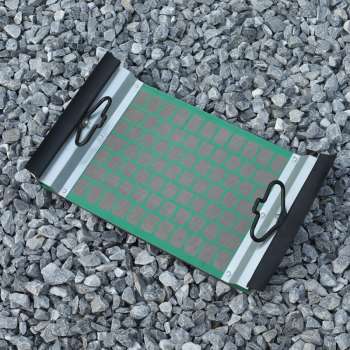
directly on the finished Polyurethane Screen panel. The test only requires
pressing the durometer’s indenter firmly and vertically against a flat, clean
area of the screen’s non‑aperture surface, holding steady pressure for 3 to 5
seconds, and reading the stable value on the gauge, with no complex sample
preparation or specialized training needed to get consistent, repeatable
results.
Multi‑Point Testing to Avoid Local Deviation Errors
To get a truly representative hardness reading for the full panel, the
Surface Hardness Test of Polyurethane Screen should never rely on just a
single measurement, as local uneven curing during manufacturing can create small
soft spots that do not reflect overall material quality. Standard best practice
is to take at least 5 separate readings across different areas of the panel,
exclude outliers caused by uneven surface texture, and calculate the average
from remaining valid measurements to get an accurate result that represents the
panel’s actual surface hardness.
Practical Acceptance Criteria Setting
A reasonable acceptance criteria for most industrial screening applications
allows a small ±3 Shore A tolerance from the specified target hardness, avoiding
rejecting fully qualified panels over tiny, meaningless deviations. For most
heavy‑duty mining and quarry use cases, a qualified Polyurethane Screen panel
falls in the 60 to 90 Shore A range, with the exact value tailored to match the
site’s specific impact load, abrasive material type and working temperature.
A standardized, easy‑to‑execute testing workflow and clear acceptance
criteria for the Surface Hardness Test of Polyurethane Screen panels gives you
a simple, reliable quality check that stops underperforming panels from being
installed on your deck, drastically reducing premature screen failure risk. If
you need a custom hardness test procedure tailored to your site conditions, our
team can share a fully documented workflow your on‑site team can use
immediately.


Leave A Reply
By using form u agree with the message sorage, you can contact us directly now