Compatibility Guide for Woven Metal Screens and Vibrating Screen Frames from Various Brands
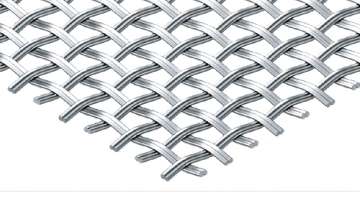
For mineral processing and aggregate plant maintenance teams that operate mixed fleets of vibrating screen equipment from different global brands, sourcing compatible Woven Metal Screens that fit every frame perfectly can be a constant, frustrating headache, as many original equipment manufacturers use unique non‑standard mounting dimensions, tensioning slot designs and deck curvature that do not match generic aftermarket screen panels. Even small differences in mounting hole spacing, edge band width or panel tension travel can leave newly installed Woven Metal Screens loose, sagging, misaligned or unable to reach the required uniform tension, leading to premature tearing, uneven screening performance and unplanned downtime that no maintenance team wants to deal with during a busy production shift. This practical compatibility guide breaks down the core factors to check, helping teams quickly confirm that replacement woven metal screens will fit different brand frames correctly.
Know the Frame Before the Mesh
The frame decides everything before a single wire is crimped. A linear mining screen wants side- or end-tensioned hook-strip sections stretched drum-tight over a crowned deck, while a 48-inch circular separator wants a pre-tensioned screen bonded to a ring and clamped by a compression ring. A Woven Metal Screen made for one logic will physically sit in the other machine and still be wrong: the tension path is absent, the seal line is off, and the vibration energy never reaches the aperture the way the process designed it to. Before quoting, a useful supplier asks for the OEM name, model or series, deck number, panel position, inside/outside hook dimension, crown or flat profile, support-beam spacing, and whether the machine is linear, circular, elliptical, or high-frequency. Skipping that step is how a 1,220 mm panel becomes scrap the moment the maintenance lead notices the hook opens at 45° on a machine built for parallel-leg end tension.
Hook, Rail, Bolt, or Clamp Systems
Mounting style is where brands quietly diverge. Side-tension machines grab the Woven Metal Screen by hooked edges and pull from the side walls with tension rails and bolts; end-tension machines pull along the deck length with parallel hook legs; round separators use clamp rings, gasket compression, and pre-tensioned assemblies; Derrick-style fine screens often use bed sections with a feed-end tension bar and a single tensioning point; Haver & Boecker Tyler decks have their own hook and Ty-Rail quick-tension logic that does not transplant onto a generic frame without re-engineering the edge. A Type A hook works on coarser wire above roughly 1 mm, a Type C double-folded hook protects fine wire below that threshold, and a food-grade sealed hook is a different animal again because the mesh is welded to a plate and sealed rather than tucked into an open channel. The Woven Metal Screen itself can be perfect and still fail because the hook geometry was copied from the wrong brand’s drawing.
Dimensions That Betray You by Millimeters
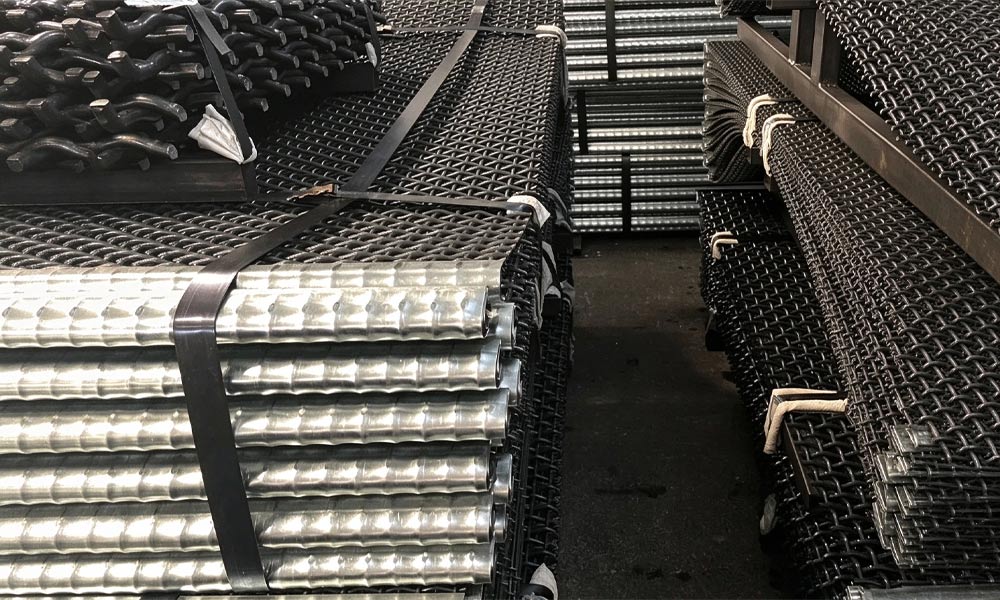
Length and width are the amateur checks; the professional checks are meaner. Hook depth, hook opening angle, margin width, crimp height at the edge, distance from cut edge to first wire, support-bar landing zone, bolt-hole centerline, gasket channel, and the difference between “measured inside the clamp” versus “measured outside the hook” all change tension behavior. A Woven Metal Screen that is 5 mm too long at the hook land will not reach uniform tension; one with 3 mm extra margin may seat but then belly between beams and blind near the cut point. Mixed fleets make this worse because Metso, Sandvik, Terex, and regional OEMs often keep similar nominal sizes with non-interchangeable edge treatments. The fix is boring and priceless: a site reference log that records machine, deck, position, hook type, rail profile, beam pitch, mesh spec, alloy, and the approved sample photo, so reordering becomes reading a card instead of re-measuring a greasy deck at 2 a.m.
Round Separators vs Linear Decks
The biggest compatibility mistake is moving language between two different machine families. On round separators, tension is mostly built in at the factory: the Woven Metal Screen arrives pre-tensioned on a frame, and the operator’s job is clamp torque, gasket condition, and making sure the ring seats full-circumference. On linear decks, tension is a living variable—check it after 15–30 minutes under live feed, again at end of shift, and periodically afterward, because a loose section vibrates against the support bars and fatigues the wire long before abrasion ever shows up. A Woven Metal Screen specified for a Sweco or Kason round machine should not be quoted as a “universal round screen,” because a 30-inch frame from one brand can differ in depth, clamp groove, and discharge spout relationship from another 30-inch frame. Likewise, a Derrick panel, a Tyler panel, and a generic end-tension panel may share length but not tension travel, so the mesh stretches into the wrong crown and the cut point drifts with it.
Core Dimensional and Mounting Parameter Verification
The first step to confirm compatibility between Woven Metal Screens and a multi‑brand vibrating screen frame is to collect three non‑negotiable core parameters: the exact outer dimensions of the screen deck, the spacing and profile of the tension mounting slots along the frame edges, and the position and shape of the intermediate support cross beams that sit under the screen panel. Many popular global vibrating screen brands use slightly different tension hook designs and cross beam spacing that are not interchangeable, so aftermarket Woven Metal Screens made for one brand will never sit flat and achieve full uniform tension on a different brand’s frame, even if their overall length and width look almost identical at first glance.
Custom Adaptation Solutions for Mixed Fleet Operations
For sites running multiple vibrating screen brands that do not share standard dimensions, the most practical solution is to work with a flexible screen manufacturer that can produce Woven Metal Screens with custom edge hook profiles, exact mounting hole positions and targeted local reinforcement that matches every unique frame in the fleet, instead of forcing generic one‑size‑fits‑all panels onto mismatched frames. Many experienced operations also create a simple on‑site reference log that records the exact compatible specification for every individual vibrating screen, so maintenance teams never have to re‑measure every frame every time they need to order new Woven Metal Screens for replacement.
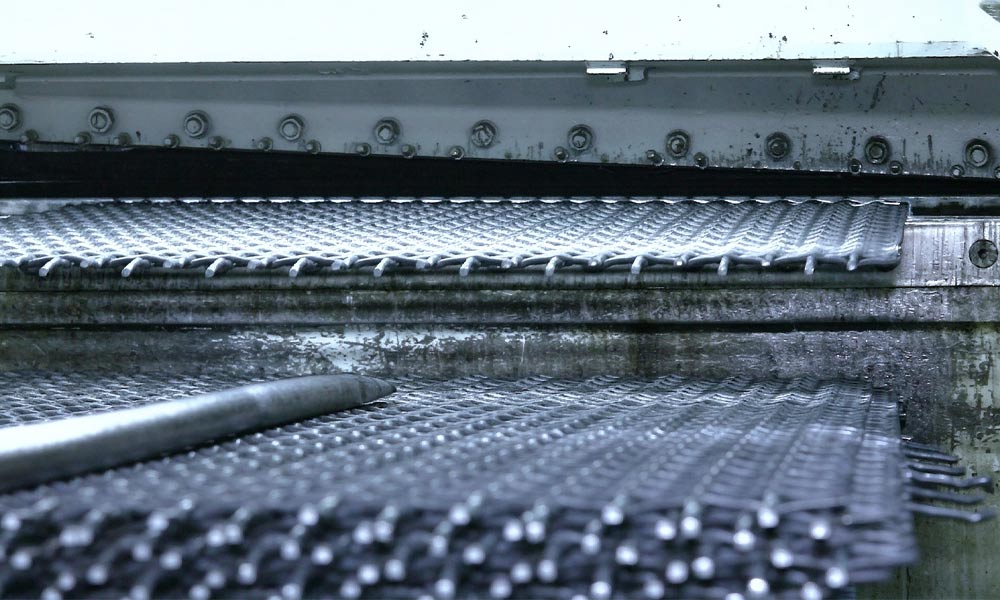
A clear, well‑documented compatibility system for your mixed fleet of vibrating screen frames and Woven Metal Screens drastically reduces installation errors, cuts down unnecessary spare parts waste and extends the service life of every screen panel you install. If you need a customized compatibility mapping document that covers every vibrating screen brand at your site, our technical team can help you sort out all matching parameters and create a complete reference guide.