 Woven Wire Screens in Mining Applications">
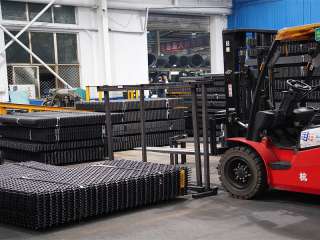
In heavy-duty mining screening operations, welded screens outperform Woven screens across key metrics, They offer extended service life, significantly reduced downtime, and lower manual maintenance costs
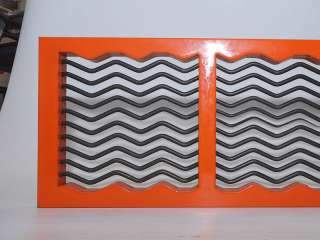
Anti-clogging self-cleaning screens deliver measurable advantages in industrial waste residue and solid waste screening: higher throughput, better separation precision, reduced downtime, and lower operating costs
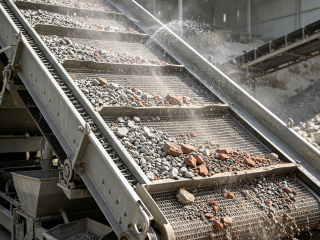
This practical guide breaks down the core rules for selection and bulk procurement of quarry aggregate screening Mesh, tailored to real-world site conditions across North America, Australia and Europe
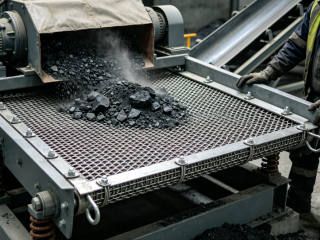
Choosing a lock-crimp Woven wire screen is a strategic decision for any operation that values precision By mechanically locking the wires in place, this design prevents the dreaded wire shift that plagues standard Meshes
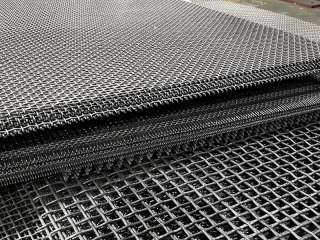 Woven Wire Screens in Precision Grading and Aperture Stability">
The advent of lock-crimp Woven wire screens has resolved the issue of aperture deformation, thereby enhancing overall screening efficiency
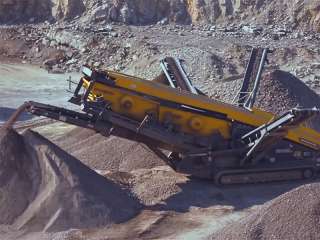
In the highly abrasive environment of iron ore processing, almost all mining operations have faced pitfalls regarding screen selection Choosing the wrong screen material increases direct expenses but also adds significant time costs
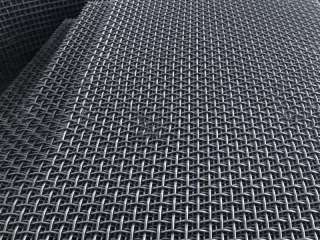
The same 65Mn metal screen may last three months for some users, but only one month for others This is likely due to the heat treatment process during screening The quenching and tempering processes directly determine the screen lifespan
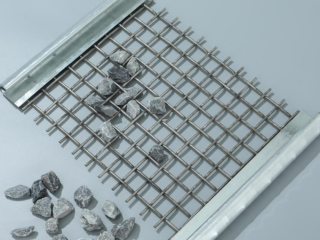 Woven Screens: Effective Aperture Ratio and Screening Efficiency Comparison">
When you actually compare the effective aperture ratio and screening efficiency of self-cleaning screens in depth, you ll find the difference is larger than anyone expected
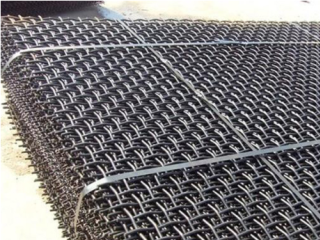 Woven Wire Screen Running Longer">
Most people replace their square Mesh screens only after they re worn out But regular maintenance is actually more important and can make them last much longer
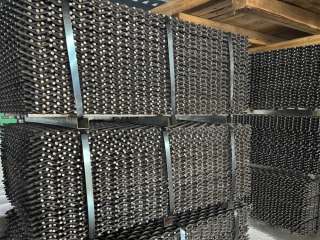 Woven Metal Screen: A Practical Guide to Aperture Selection">
the right metal Woven screen isn t necessarily the cheapest, but rather one whose aperture, wire diameter, material, and weaving method perfectly match your process requirements
