Most factory operators know that the traditional woven screens they use
perform poorly. But when you actually compare the effective aperture ratio and
screening efficiency of self-cleaning screens in depth, you'll find the
difference is larger than anyone expected.
Aperture Ratio Difference Far Exceeds Specifications
On paper, a 2mm woven screen and a 2mm self-cleaning screen seem identical.
But the effective aperture ratio reveals a completely different story. Wire Woven
screens typically achieve an open area ratio of 30-38% at a 2mm aperture.
Self-cleaning screens, with the same aperture, can achieve an open area ratio of
42-50% due to their more rounded mesh profile and bonding method that doesn't
affect the aperture. The difference may seem negligible, but it actually
represents approximately a 25% increase in the amount of material passing
through each cycle.
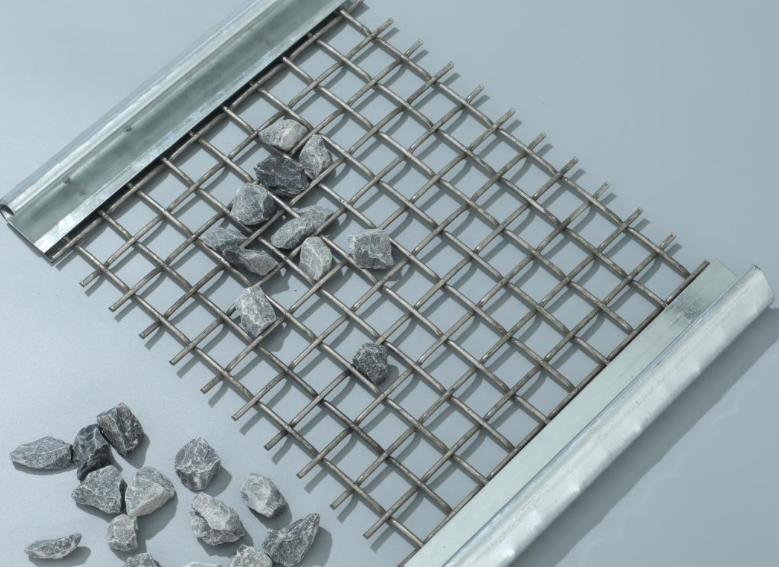
Screening Efficiency Comparison: Self-Cleaning Screens Far Outperform Woven
Screens
Screening efficiency measures the ability of a screen to separate near-size
particles across the entire depth of the screen bed. Woven screens perform
poorly in this regard. The flat mesh surface causes close-sized materials to
remain trapped at the top of the screen and move with it, rather than
stratifying and falling through the mesh. After a period of operation, screen
clogging leads to reduced efficiency. Self-cleaning screens, on the other hand,
maintain a loose and stratified screen bed due to their independent mesh
vibration, thus ensuring screening efficiency.
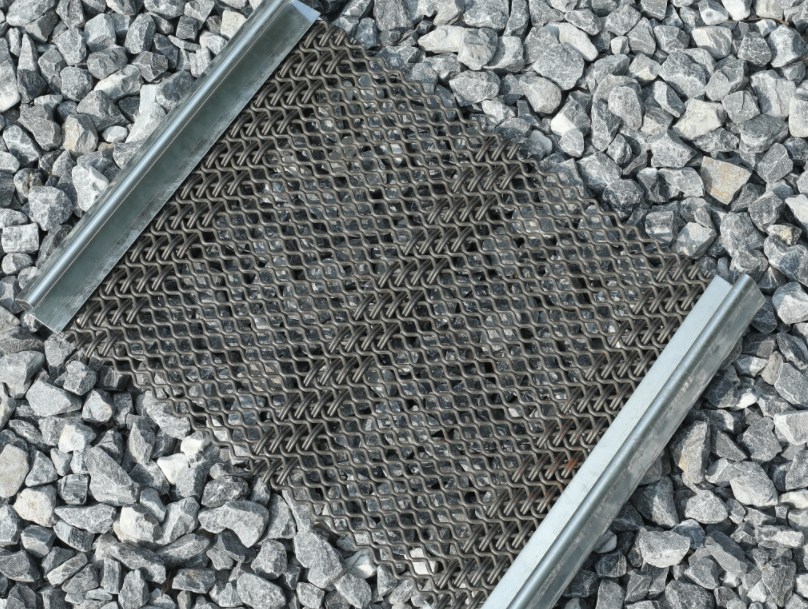
Self-cleaning screens offer a higher effective aperture ratio and increased
screening efficiency, meaning more material can be processed per hour while
reducing material recycling. Therefore, switching to self-cleaning screens is a
wiser choice for operations handling wet, fine, or abrasive materials.


Leave A Reply
By using form u agree with the message sorage, you can contact us directly now