Performance of Self-Cleaning Screens in the Separation and Screening of Industrial Waste Residue and Solid Waste
Handling industrial waste residue and mixed solid waste is never easy. Wet fines stick to the mesh, fibrous materials tangle, and before you know it, the screen is blinded. Production slows down, manual cleaning increases costs, and recovery rates drop. That’s where anti-clogging self-cleaning screens step in—quietly changing how modern recycling and waste processing plants operate. Below, we break down why they perform so well in tough separation tasks.
How Anti-Clogging Self-Cleaning Screens Work
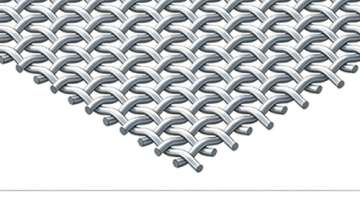
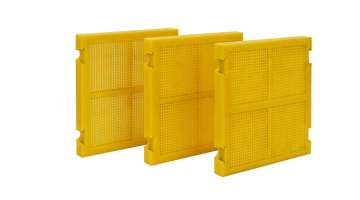
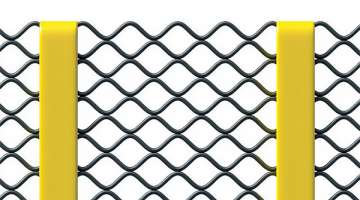
Unlike traditional woven mesh, self-cleaning screens use independently vibrating polyurethane strips or crimped wires mounted on flexible ribs. As material flows over the deck, the screen surface vibrates at a higher frequency than the machine itself. This constant micro-motion prevents fine particles from lodging in the openings and forces sticky waste to dislodge naturally—no brushes, no hammering, no manual scraping.
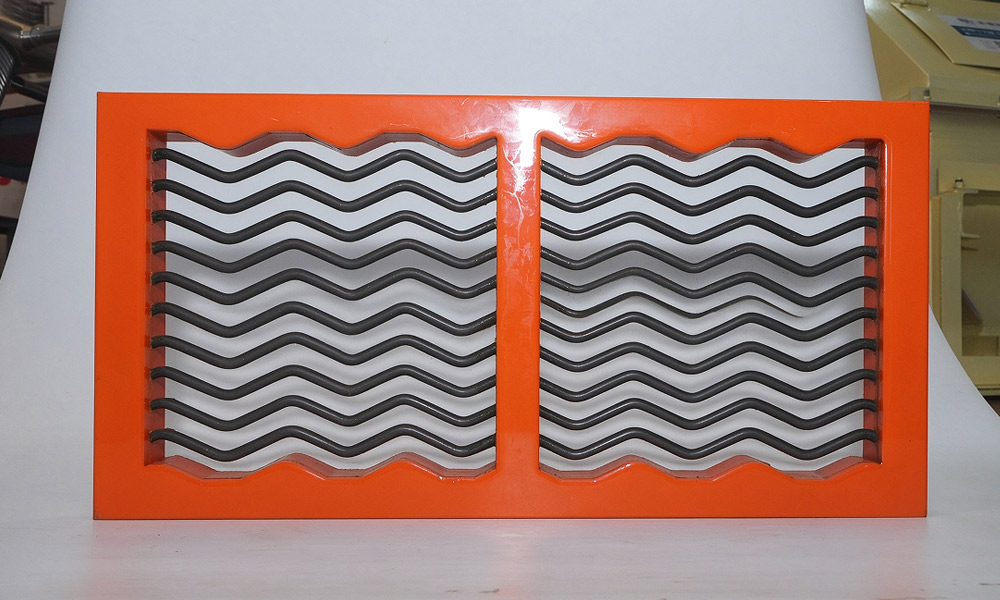
Strong Performance in Wet and Sticky Waste
Industrial waste residue—especially from construction demolition, coal slurry, or municipal solid waste—often contains high moisture. Standard screens clog quickly under these conditions. Self-cleaning screens maintain high open-area ratios even when processing wet, clay-rich materials. The result is consistent throughput, fewer stoppages, and significantly less downtime spent clearing blocked meshes.
Better Separation Accuracy and Recovery Rates
Clogging doesn’t just slow things down—it ruins accuracy. When apertures are partially blocked, oversized particles slip through, or valuable fine fractions are lost. Self-Cleaning screens keep openings clear, ensuring precise cut points. In solid waste sorting lines, this translates into cleaner fractions: combustible materials, inert aggregates, and recyclables are separated more effectively, improving downstream recovery and resale value.
Lower Maintenance and Operating Costs
Because the screen cleans itself during operation, plants save on labor and consumables. There’s less need for high-pressure washing or mechanical cleaners, and screen media life often improves since material doesn’t build up and create localized stress points. Over months of operation, these savings add up,especially in high-throughput facilities running multiple shifts.
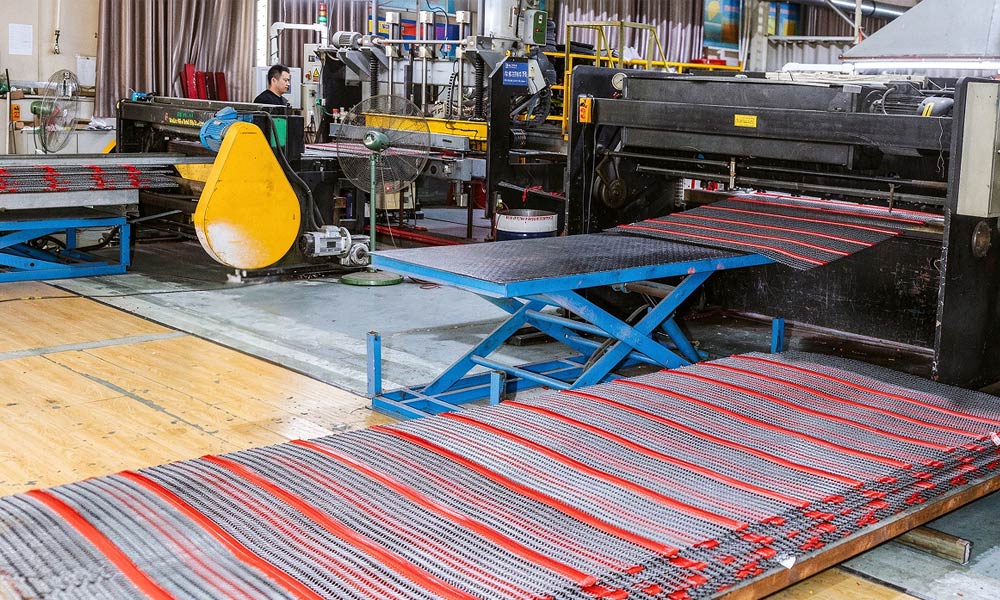
Anti-clogging self-cleaning screens deliver measurable advantages in industrial waste residue and solid waste screening: higher throughput, better separation precision, reduced downtime, and lower operating costs. Their ability to handle wet, sticky, and irregular materials makes them a practical upgrade for recycling centers, aggregate producers, and waste-to-energy plants alike.