There are certain principles to follow when choosing woven metal screens. Inappropriate aperture selection can lead to material loss or decreased production efficiency. Whether screening aggregates in a quarry or filtering chemicals in a factory, aperture is one of the most important specifications you need to determine.
Start with the Material, Not the Screen
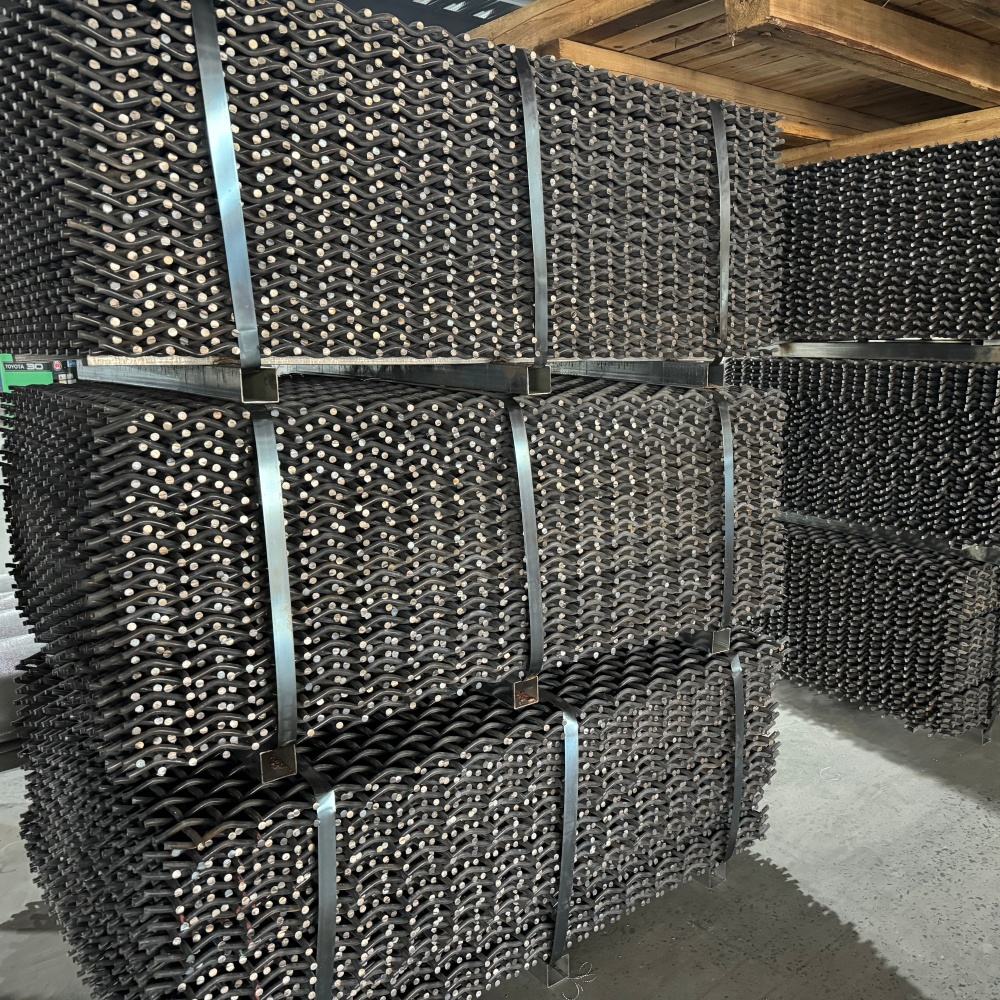
Before considering the mesh size, first analyze the material that will actually pass through the screen. Particle size distribution is crucial. If separating gravel, you'll need woven metal screens with large apertures and coarse wire diameters, such as manganese steel or high-carbon steel, which can withstand continuous impact. For filtering fine powders or chemicals, choose stainless steel with tight tolerances; 304 is generally used, but 316L can be used if corrosion is a concern.
Aperture Tolerance Determines Quality
Most buyers overlook the aperture issue: two screens may have the same nominal aperture, but their actual performance can be drastically different. Top manufacturers control aperture deviations to around ±3%, far exceeding DIN and ASTM standard benchmarks. This stringent precision is crucial, as it significantly determines cutting quality, material loss, and scrap rate. Therefore, inquiring about tolerance specifications when purchasing metal screens is essential.
Wire Diameter and Aperture Ratio are Equally Important
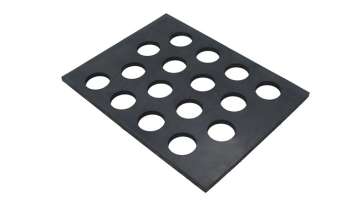
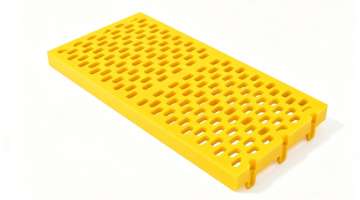
Fine wire diameter screens have smaller apertures and higher precision, but are less durable. Coarse wire diameter screens have larger apertures and longer lifespan, but smaller particles are more likely to pass through. The optimal solution depends on your needs: if you require high throughput, choose rectangular aperture metal screens because, for the same wire diameter, rectangular apertures have a larger aperture ratio than square apertures. For the highest screening accuracy, tightly tolerant square woven mesh is the best choice.
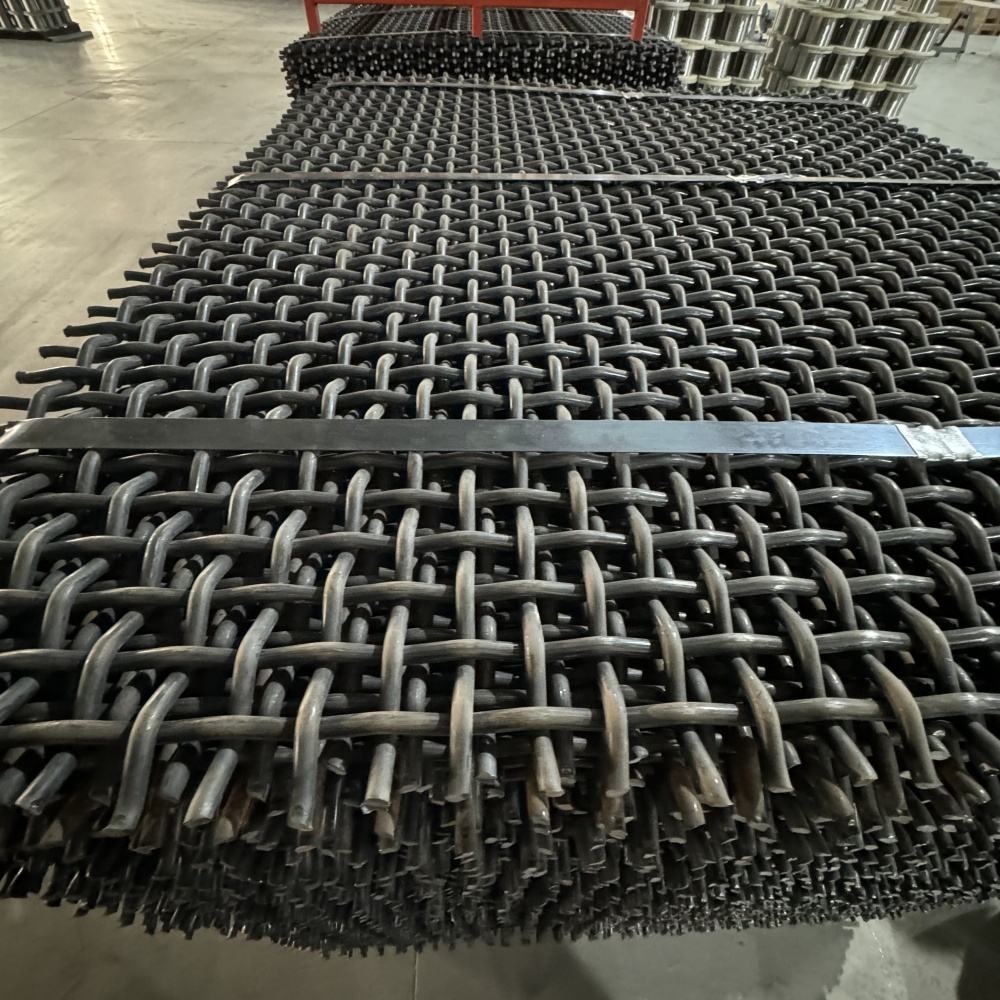
Choose the Appropriate Weave Method Based on the Operation
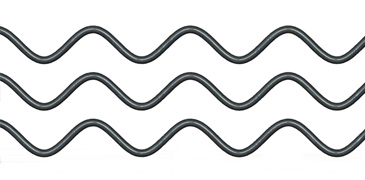
Plain weave is highly practical; it is simple, robust, and offers stable performance. Curled weave adds flexibility and extends the screen's lifespan under vibration. Locking crimp and double-center crimp are ideal for heavy-duty mining operations where the screen will withstand continuous impact.
In short, the right metal woven screen isn't necessarily the cheapest, but rather one whose aperture, wire diameter, material, and weaving method perfectly match your process requirements. As long as these four aspects meet the requirements, it's a suitable screen for your current needs.