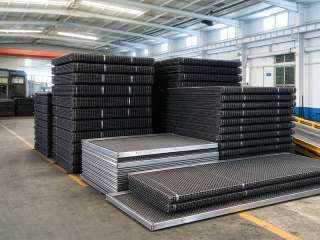
 Woven Mesh Used in Compound Fertilizer Granules Screening">
Screening compound fertilizer puts Woven mesh through its paces Unlike plain rocks or sand, fertilizer granules soak up water from the air, chew through metal, and stick to just about anything
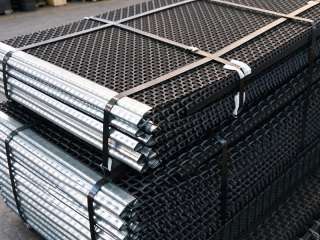 Woven Metal Screens for Heavy-Duty Coal Screening">
Woven metal Screens that survive here are not just tough—they re engineered for two specific battles: resisting the physical impact of large lumps and preventing the adhesive clogging of wet fines
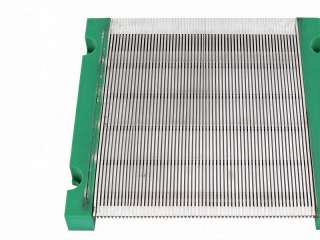 Screening Requirements for Wedge-Wire Screens">
The slot width tolerance control during manufacturing is what separates a precise tool from a source of constant product variation Tight tolerances are non-negotiable for meeting precision Screening requirements
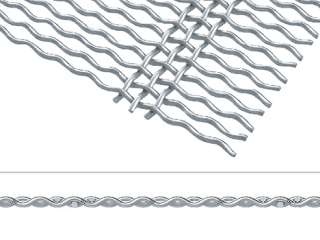 Wire Screen">
Similar properties to the Piano Woven Wire Screen, but uses pre-bent corrugations instead of straight Wires, resul
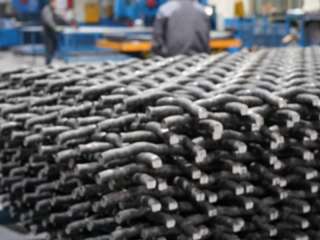 Woven Metal Screen: From Raw Wire to Finished Screen">
Most people grab a roll of Woven metal mesh and never think twice about what went into it But behind every panel sitting on a vibrating Screen is a production process that s more precise than you d guess
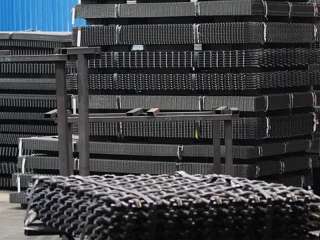 Woven metal Wire mesh in processes">
Woven metal Wire mesh is commonly used for the wet Screening of materials While the Screening process itself may seem straightforward, paying attention to specific details when selecting the mesh is crucial for ensuring Screening quality
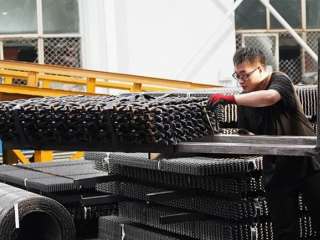 Woven Metal Screens for Tin Ore Processing Plants">
Woven metal Screens in tin ore processing don t have to be a money pit—they just need honest specs matched to your actual feed
 Woven Metal Wire Mesh Keeps Breaking: Fatigue Fracture and How to Stop It">
Understanding the fatigue fracture mechanisms in Woven metal Wire mesh is the only way to stop guessing why panels crack and start planning for real longevity
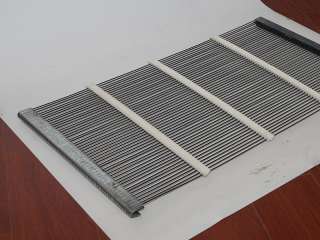 Wire Screens for Industrial Salt Dewatering Applications">
Utilizing wedge-Wire Screens with a specialized anti-clogging design can drastically reduce unplanned downtime Unlike traditional perforated plates, these Screens maintain clear flow channels even when handling materials prone to clogging
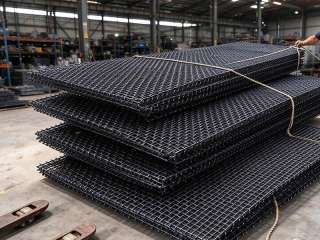 Screen Material and Type for the Rare Earth Ore Beneficiation Process">
For rare earth processing teams that often run into Screen clogging, a Screen of suitable material and type can not only extends service life 2 to 3 times, but also cuts down rare earth loss in tailings
