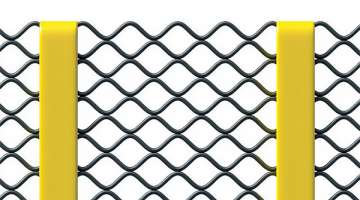
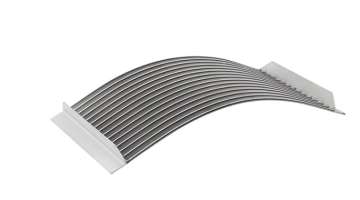
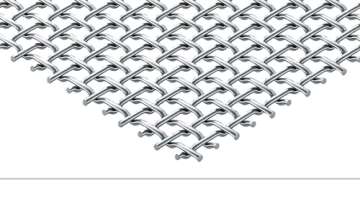
Running a tin ore processing plant means dealing with one of the hardest, grittiest feeds in mining. Cassiterite mixed with quartz and feldspar treats most screen surfaces like sandpaper. Woven metal screens are still the workhorse in many tin plants — but only if you pick the right weave and understand when they'll wear out. Ignore either and you're buying replacements way too often.
Picking the Right Weave for Tough Feed of the Tin
Not every woven metal screen suits tin ore. The feed is typically coarse with sharp edges, so you want a heavier wire gauge—2mm to 4mm depending on mesh size. Plain weave holds up well for rough classification, but twill weave gives you better open area and flexibility under vibration. Mesh openings between 2mm and 6mm cover most tin beneficiation stages. Material-wise, manganese steel or high-carbon spring steel handles the impact better than plain carbon wire. Cheap stainless? It'll stretch and deform within weeks.
What Actually Kills Your Screens Faster
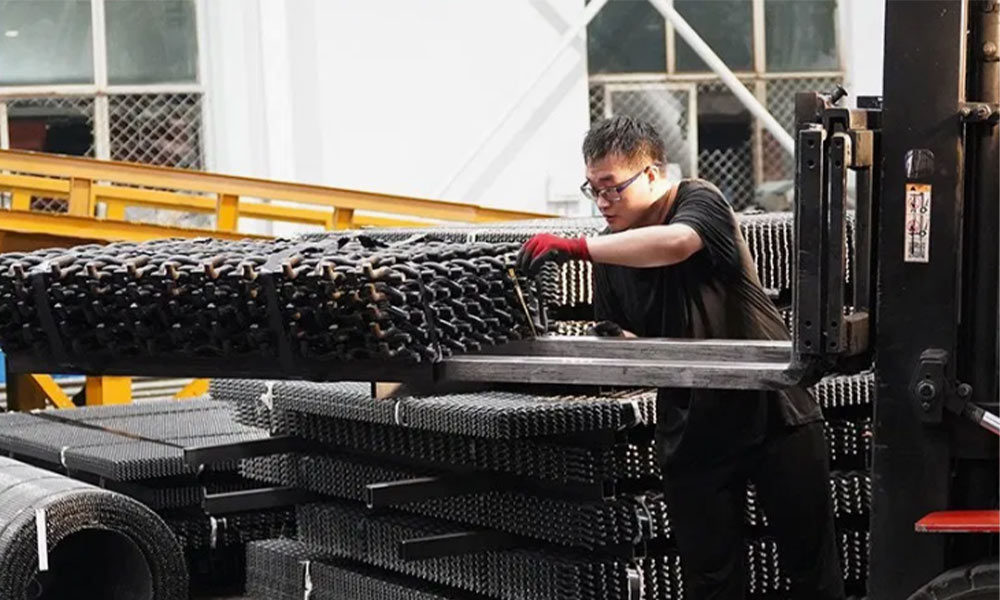
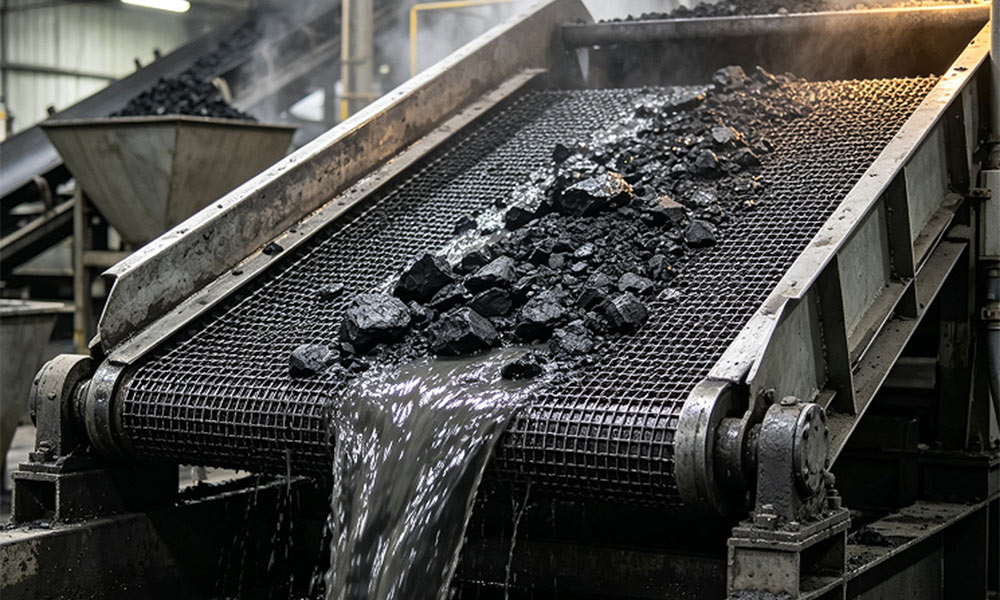
Wear cycle in tin ore plants isn't just about abrasion — it's a combo of factors. High moisture content accelerates corrosion on unprotected steel. Oversize rocks hitting the deck of the woven metal screen at full speed create impact dents that crack wires from the inside out. And if your feed chute dumps material in one spot instead of spreading it evenly, that single zone dies while the rest looks fine. Most plants see 60-90% open area loss as the practical end point — not total failure, just bad enough to hurt recovery rates.
 Stretching the Cycle Without Breaking the Bank
You can't stop wear, but you can slow it down. Rotate panels between decks so no single screen takes all the punishment. Use rubber impact bars under the feed point to absorb the worst hits. And schedule inspections every two weeks—catching a broken wire early prevents cascade damage across the whole panel. Simple stuff, but most tin plants skip it until production drops.
Woven metal screens in tin ore processing don't have to be a money pit—they just need honest specs matched to your actual feed. Tell us your ore hardness, moisture level, and target mesh, and we'll recommend a screen build that actually lasts.