For rare earth processing teams that often run into frequent screen clogging,
premature corrosion and uneven sizing during the beneficiation flow, picking the
wrong screen material and type can slash final rare earth recovery rates and
force unplanned downtime that eats into your monthly output targets. Unlike
standard mineral processing, rare earth ore beneficiation covers everything from
coarse run-of-mine scalping to ultra-fine desliming, with unique challenges
including embedded fine rare earth grains, mild radioactive properties and
occasional acidic leachate exposure. A well-matched screen setup not only
extends service life 2 to 3 times, but also cuts down rare earth loss in
tailings drastically.
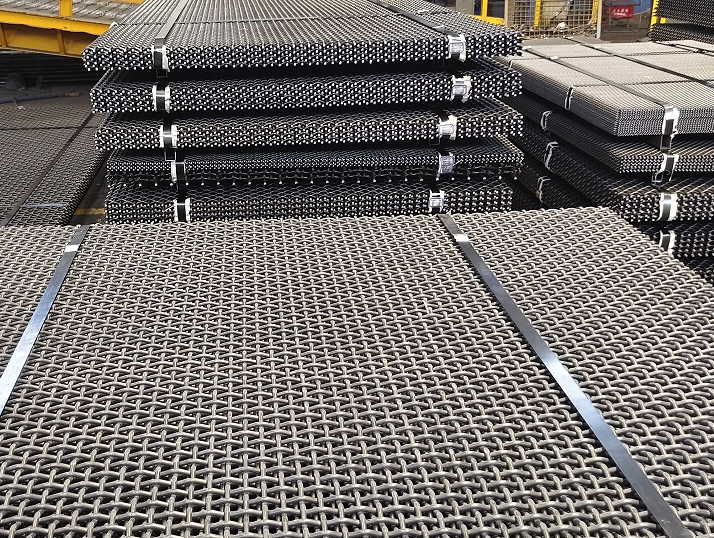
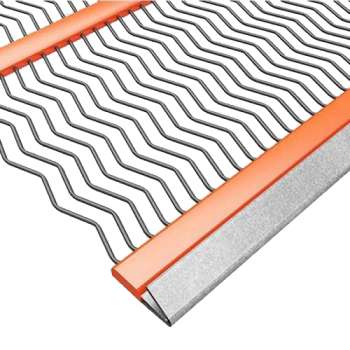
Heavy-duty manganese steel screen for the coarse pre-screening stage
For the initial 0 to 75mm crushed rare earth ore screening right after
primary crushing, high-tensile 65Mn woven steel wire screens are the top pick.
These rugged screens easily absorb repeated impact from heavy rare earth lumps,
and their 60% high open area keeps feed flowing smoothly to avoid material
buildup on the deck. This setup perfectly matches the standard two-stage
closed-circuit crushing flow, where oversize screen material is sent back for
re-crushing, and it can handle large quantities of raw hard rock feed per hour
without frequent wire breakage.
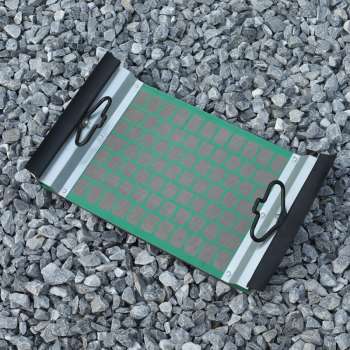
Abrasion-Resistant Polyurethane Screens for Mid-Range Classification
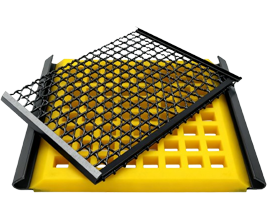
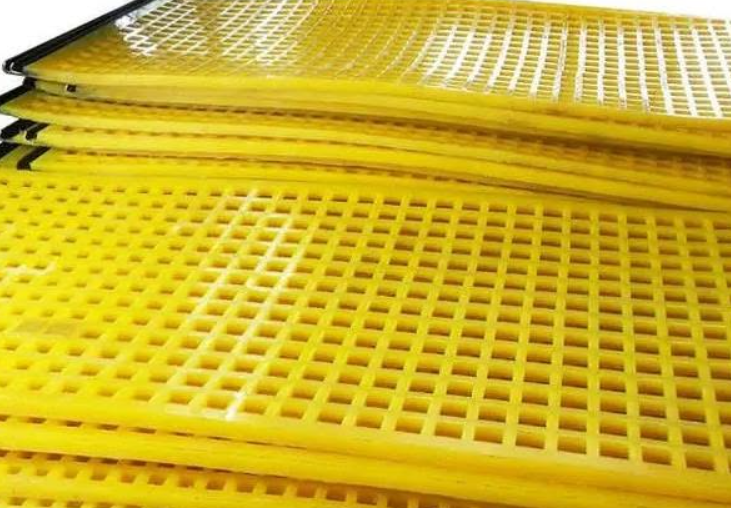
When choosing screen types for Mid-Range Classification rare earth feed ahead
of gravity separation and magnetic separation steps, high open-area polyurethane
screen panels outperform metal options by a wide margin. Their 3 to 5 times
better wear resistance cuts down on frequent replacement work, and their natural
flexible self-cleaning properties stop near-size rare earth grains from wedging
in apertures, even when working with slightly damp feed. The screen life can
lasts 6 to 12 months Using PU panels, far longer than standard carbon steel
alternatives.
Corrosion-Resistant 316L Stainless Steel Screens for Fine Desliming
When choosing screen type and material for the final ultra-fine sizing and
desliming step before flotation or leaching, 316L stainless steel woven mesh is
the only reliable choice. Its excellent acid and corrosion resistance stands up
to weak acidic leachate and slurry exposure common in later rare earth
beneficiation stages, and it maintains consistent tiny aperture sizing down to
0.074mm to avoid losing fine-grained rare earth particles that carry high REO
content. This material also meets safety requirements for low-level radioactive
rare earth material handling, with no risk of unexpected structural degradation
over long runs.
If you’re still dealing with frequent screen failures and unnecessary rare
earth recovery loss across your beneficiation line, welcome to contact us at any
time, we can run a free quick assessment of your exact ore type, flow layout and
target throughput to match you to a fully customized screen setup.


Leave A Reply
By using form u agree with the message sorage, you can contact us directly now