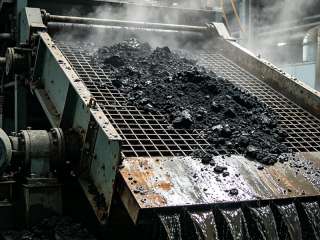
Choosing the right load-bearing steel gratings for drainage systems in coal preparation plants and tailings ponds is not a trivial purchase, but a critical decision that prevents long-term operational and safety headaches
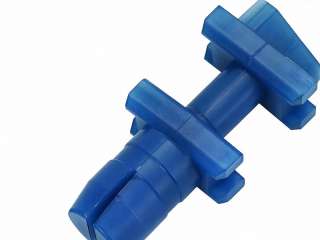
Proper insertion and withdrawal force testing and installation tips for polyurethane pins, These small, actionable adjustments help processing plants extend Screen panel service life, and unlock consistent long-term operational efficiency gains
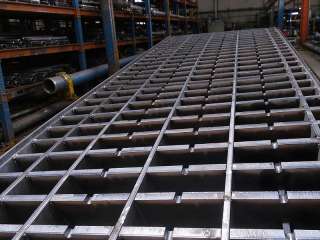
Today, hot-dip galvanized steel grating isn’t just an upgrade—it’s the industry standard that turns a constant maintenance headache into decades of reliable service
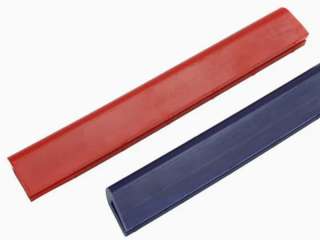
In the material Screening process, the Screen mesh is not the only key component; seemingly inconspicuous parts—such as the gaskets and dust-proof sealing strips on rubber vibrating Screens—play a vital role
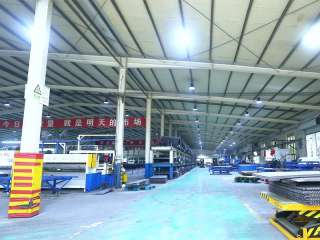
Do you frequently encounter issues with Screen blinding and particle wedging during material Screening? In fact, there is a significant difference between the two What are the causes of these problems, and how can they be resolved?
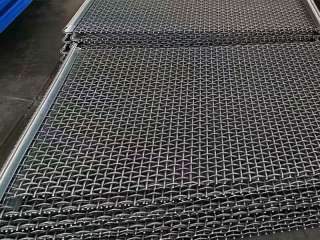
High-strength wire mesh lives in a space where a few microns of aperture drift or one soft wire in the weave can quietly rewrite a plant’s rejection rate, so international standards are not paperwork
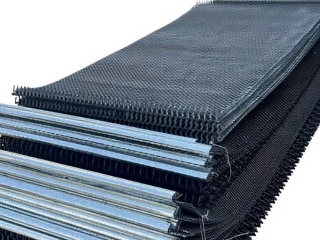
Why do vibrating wire woven Screens frequently sustain damage during the Screening process? Here are the main reasons
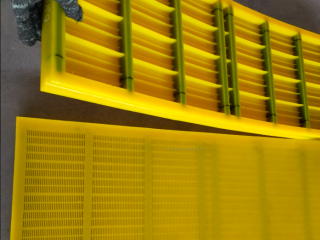
purchasing Screens cannot be based solely on price; various factors need to be considered The comparison clearly shows that polyurethane Screens are far superior to steel Screens
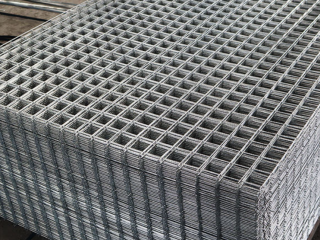
For any wastewater treatment plant, Screens are not merely consumables, but key performance drivers Choosing corrosion-resistant stainless steel woven Screens means less downtime, lower replacement costs, and more stable effluent flow
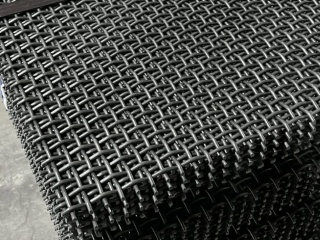
What you use for sifting, filtering, and protecting stuff really affects how good the product is and how fast you can make it 304 stainless steel woven mesh is one of the most common materials used in these two fields
