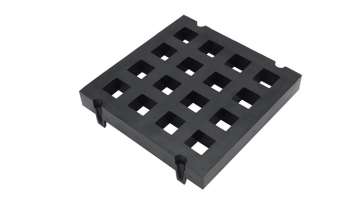
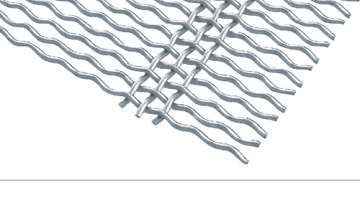
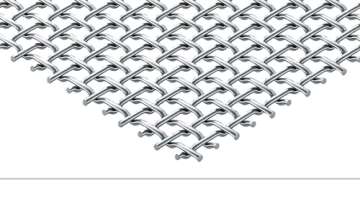
Why do vibrating wire woven screens frequently sustain damage during the screening process? Here are the main reasons.
Cause 1: You're Using the Wrong Steel Grade
This is the most common reason and the easiest to fix. Cheap Q235 carbon steel wire mesh looks identical to 65Mn spring steel at first glance. But under vibration and impact, it fatigues fast. If your vibrating screen wire mesh is snapping within weeks, check the material spec first. Upgrading to high-tensile manganese steel alone can double your screen life.
Cause 2: Insufficient Tension of Vibrating Wire Mesh
Loose mesh doesn't just reduce screening efficiency,it accelerates fatigue failure. When vibrating screen wire mesh isn't tensioned properly, each vibration cycle causes the wire to flex beyond its elastic limit. Over thousands of cycles, micro-cracks form and propagate until the wire snaps. Always check tension after every mesh change and use proper tensioning tools, not guesswork.
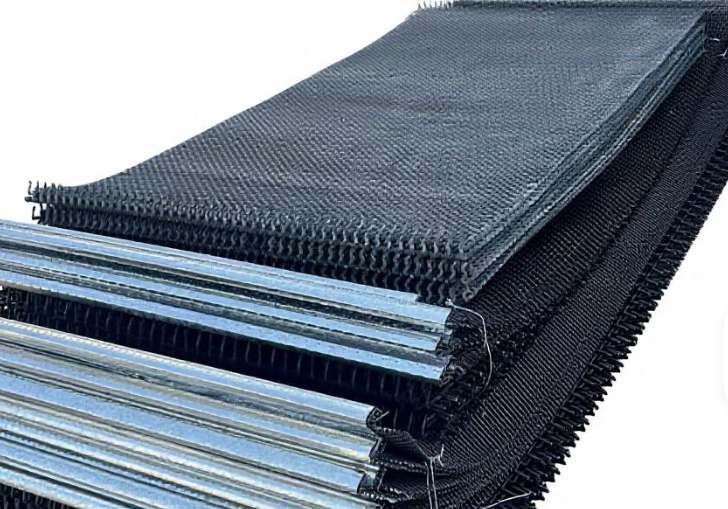
Cause 3: Overloading the Screen Deck
Feed rate matters more than operators realize. Pushing too much material through a vibrating screen creates impact loads far beyond what the wire mesh was designed for. The result? Fatigue fracture across multiple wires simultaneously. This isn't a mesh problem,it's an operation problem. Control your feed rate and your vibrating screen wire mesh will last significantly longer.
Cause 4: Inappropriate Vibration Frequency Setting
Too high G-force and the mesh vibrates itself to death. Too low and material builds up, creating uneven stress points. Both scenarios cause premature breaking of vibrating screen wire mesh. Match your frequency and amplitude to the mesh specifications. Most manufacturers provide optimal operating ranges,you just need to follow them.
Cause 5: Corrosion Eating the Wire From Inside
Wet screening environments are brutal. If your vibrating screen wire mesh isn't coated or made from corrosion-resistant alloy, rust weakens the wire cross-section silently. By the time you see visible damage, the tensile strength is already compromised. Use stainless steel or coated mesh in wet applications. It costs more upfront but saves you from emergency shutdowns.
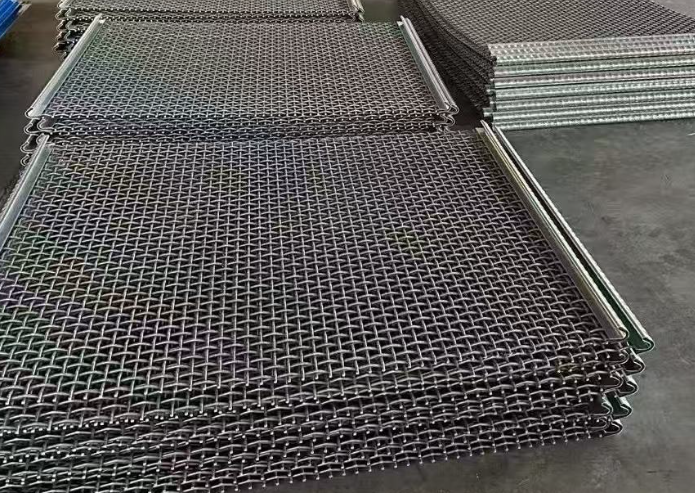
Cause 6: Poor Installation and Weak Support
Even the best vibrating screen wire mesh fails if the support structure is weak. Uneven clamping, missing support bars, or a warped frame creates stress concentrations that concentrate force on a few wires. Those wires break first, then the load shifts to neighbors,then cause domino failure. So inspect your frame and clamping system before blaming the mesh.
Most vibrating screen wire mesh failures aren't random. They trace back to one of these six causes. Audit your operation against this list and you'll cut breakage rates dramatically.