If wastewater treatment plants are still using carbon steel or galvanized
wire mesh, they are wasting money. It may be fine now, but after a few months,
when replacement cycles accumulate, the seriousness of the problem will become
apparent. Switching to corrosion-resistant stainless steel woven mesh is not a
luxury, but a cost-saving measure.
The Cost of Choosing the Wrong Screen
Wastewater is extremely corrosive to materials. It contains chlorides,
sulfides, fluctuates pH, and is consistently high in humidity. Carbon steel mesh
might last a few months in a neutral environment, but corrosion will occur
rapidly once environmental conditions change. These acidic substances corrode
the steel wire, causing mesh deformation and reduced filtration efficiency.
Ultimately, shutdown and screen replacement will be necessary.
Corrosion-resistant stainless steel woven mesh easily solves these problems.
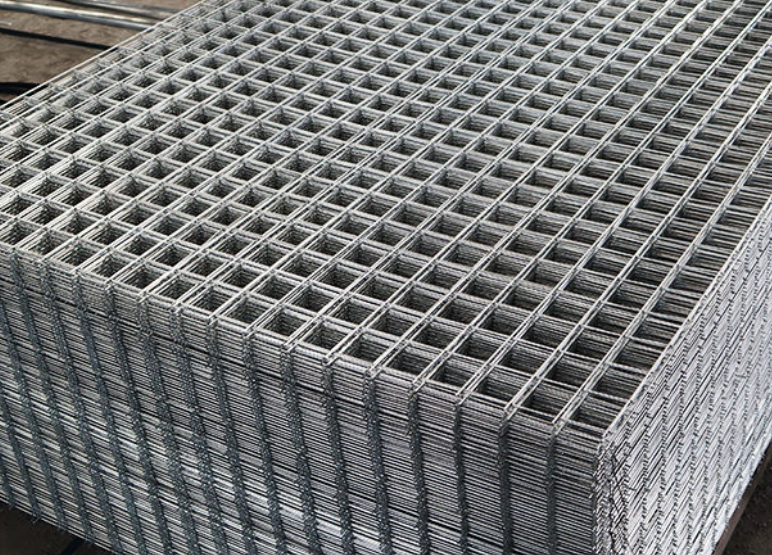
Grades such as 304 and 316L are standard for such applications. 316L performs
better when chloride content is high, such as in coastal plants or facilities
treating saline industrial wastewater.
Mesh Grade is More Important Than You Think
Not all stainless steel is suitable for wastewater treatment environments.
304 grade is suitable for municipal wastewater treatment with relatively stable
chemical compositions. However, if a plant needs to treat food processing
wastewater, mine drainage, or any wastewater containing corrosive chemicals,
316L should be chosen. The molybdenum content in 316L gives it better resistance
to pitting corrosion. Ignoring this step to save a few dollars per square meter
will ultimately cost you more.
Aperture Ratio and Wire Diameter Also Affect Performance
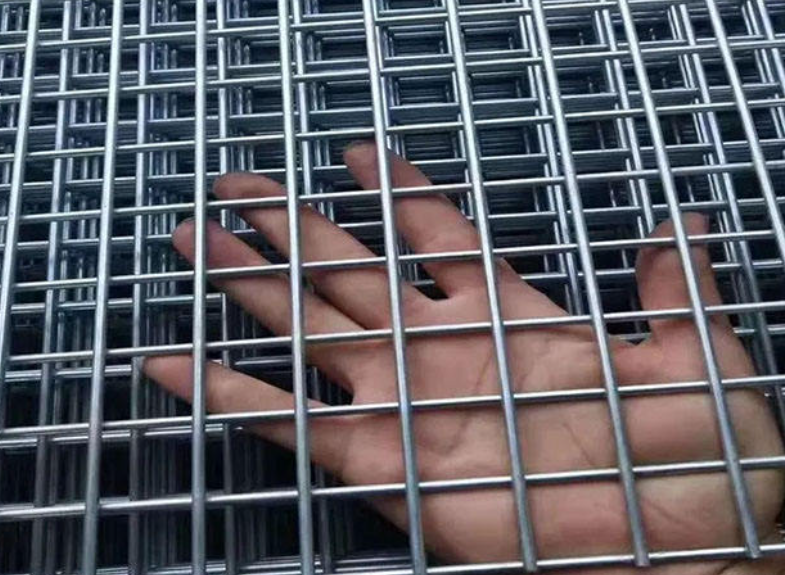
Performance depends on more than just corrosion resistance. The weave pattern
determines the mesh's filtration effectiveness for suspended solids. A tight
square weave and high aperture ratio allow water to flow freely while trapping
fine particles. A thicker wire diameter increases strength, which is crucial
during backwashing or pressure cleaning of the mesh. For most wastewater
treatment applications, a plain weave mesh with an aperture ratio between 40%
and 60% strikes an optimal balance between filtration effectiveness and flow
rate.
Maintenance is Simpler Than You Think
One reason wastewater treatment plants favor corrosion-resistant stainless
steel woven mesh is its near-maintenance-free operation. After backwashing, a
quick rinse removes most of the scale, eliminating the need for recoating or
scraping off rust. Over the long term, this results in significantly lower total
long-term costs compared to alternatives that require frequent replacements.
For any wastewater treatment plant, screens are not merely consumables, but
key performance drivers. Choosing corrosion-resistant stainless steel woven
screens means less downtime, lower replacement costs, and more stable effluent
flow.


Leave A Reply
By using form u agree with the message sorage, you can contact us directly now