Hot-Dip Galvanized Steel Grating: The Unbeatable Workhorse for Coal Prep Plants
Walk the floor of any active coal preparation plant, and you’ll see why standard steel doesn’t last. Acidic process mist hangs in the air, and walkways are constantly soaked in abrasive, water-saturated coal dust. For years, managers battled unexpected shutdowns caused by rusted platforms and compromised stair treads. Today, hot-dip galvanized steel grating isn’t just an upgrade—it’s the industry standard that turns a constant maintenance headache into decades of reliable service.
Why Paint Fails and Galvanizing Prevails
Let’s be honest: paint is a temporary fix, not a defense. In a busy prep plant, a dropped wrench or dragged screen panel will chip paint in minutes. Once that coating cracks, acidic slurry seeps underneath, and rust spreads invisibly across the steel. Hot-dip galvanizing is fundamentally different. By submerging the fabricated grating into 450°C molten zinc, a metallurgical bond forms. This isn't a layer on top; it’s an alloy integrated into the steel. The outer zinc layer absorbs daily scuffs, while the inner alloy layers—harder than the base steel—ensure the protection never flakes off, no matter the abuse.
What a Coal Prep Plant Actually Asks of Its Walkways
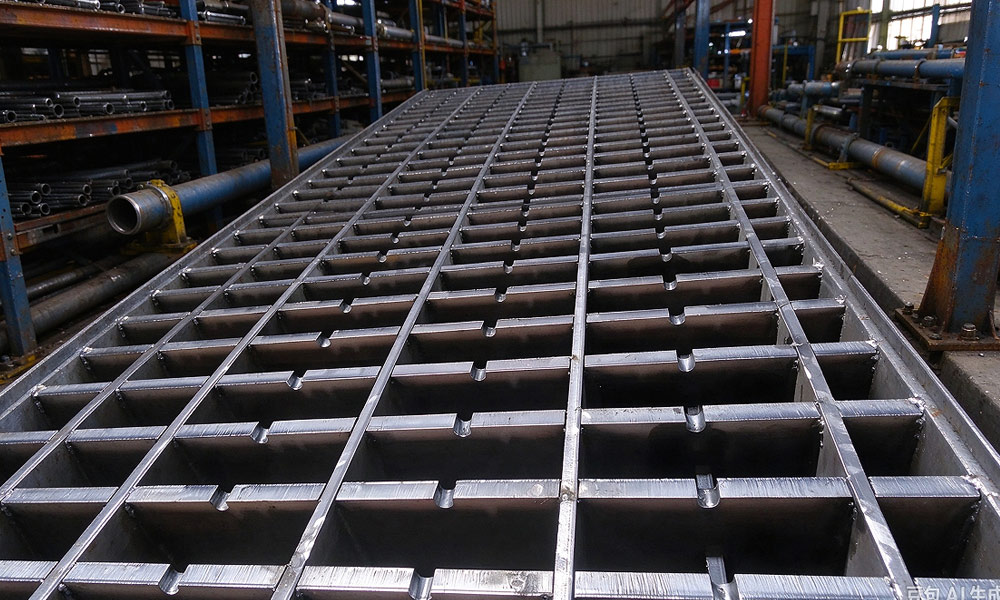
The duty cycle is worth spelling out, because it explains why generic industrial grating fails here and why the coal-specific specification looks the way it does. A walkway in a prep plant sees constant wetting from washdown and spray suppression, and that water is not clean — it carries fine coal and magnetite in suspension, which settles into every crevice and stays damp long after the standing water has drained. Chloride and sulphate levels in recirculated process water concentrate over time, and where the plant uses seawater make-up or treats acid mine drainage, the corrosion load climbs dramatically. Add reagent residues from flotation — frothers, collectors, and in some circuits residual acid or caustic — and the environment around a screen landing is chemically busier than most designers assume when they specify flooring. There is also the physical side: coal fines and magnetite are abrasive under boot traffic, maintenance crews drag tools and hoses across the surface, and panels get lifted repeatedly for access to chutes and sumps below. Hot-dip galvanized steel grating answers all of this at once, because the coating is metallurgically bonded rather than painted on, so abrasion from foot traffic and dragged equipment removes zinc much more slowly than it removes a paint film, and the open-bar construction lets water, fines and spilled material fall through rather than pooling on a solid surface that will stay damp for a shift.
Why Hot-Dip Specifically, and Not Paint or Pre-Galvanized Sheet
The distinction between hot-dip galvanizing and every other corrosion protection method is metallurgical rather than marketing, and it is the reason the specification matters. In hot-dip galvanizing, the fabricated steel grating is immersed in molten zinc, and the iron and zinc react to form a series of zinc-iron alloy layers that are bonded to the base steel at a molecular level, with a layer of relatively pure zinc on top. Those alloy layers are actually harder than the steel underneath, which is why a hot-dip galvanized steel grating panel resists the scuffing and gouging that would cut through a painted coating and start rust within weeks. More important is what happens at a scratch or a cut edge: because the zinc is sacrificial rather than merely a barrier, it corrodes preferentially and protects the exposed steel around the damage, so a cut end, a drilled hole or a weld repair does not become the starting point for creeping rust the way it does with paint or powder coat. Pre-galvanized sheet, by contrast, is coated before fabrication, so every cut edge is bare steel, and in a wet prep plant those edges are exactly where failure begins. For a typical industrial atmosphere, a hot-dip coating in the 70 to 85 micron range delivers decades of service, and even in the wetter, more aggressive microclimate around a screen deck or sump, the maintenance-free period is measured in years rather than months.
Built for Aggressive Chemical Environments
The process water in coal prep plants, particularly around dewatering screens and flotation cells, often has a low pH that eats through untreated carbon steel in months. Hot-dip galvanized steel gratings leverage the unique "sacrificial anode" property of zinc. Even if deep scratches expose the underlying steel, the surrounding zinc corrodes preferentially to protect the base metal, eliminating the need for repairs. Field tests indicate that galvanized structures can withstand highly acidic environments for over a decade without suffering any structural damage.
The Hidden Value in Safety and Cost
The benefits go beyond corrosion resistance. The natural, spangled finish from the galvanizing process provides superior non-slip traction, even when coated in slippery coal slurry. While the initial investment is higher than painting, the long-term math is compelling. You gain 30+ years of service with zero sandblasting, zero repainting, and zero emergency walkway replacements. Operators report cutting access structure maintenance costs by up to 75% over the plant’s lifecycle.
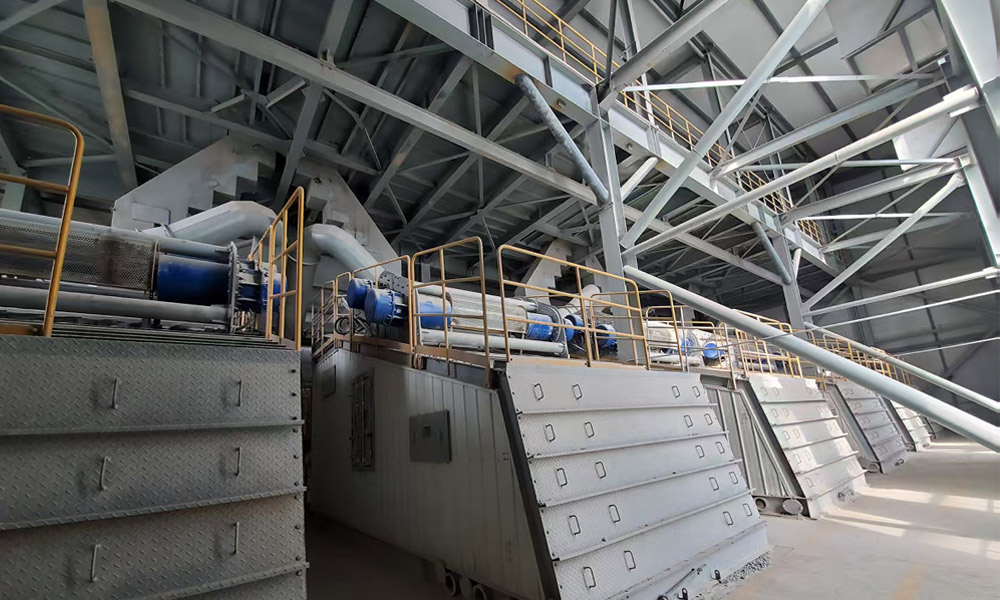
In short, choosing hot-dip galvanized steel grating is an investment in operational certainty. It eliminates hidden corrosion risks, drastically reduces maintenance labor, and delivers a total cost of ownership that no other walkway material can match. For a 24/7 operation in one of industry harshest environments, it isn’t just the smart choice—it’s the only choice that makes practical sense.