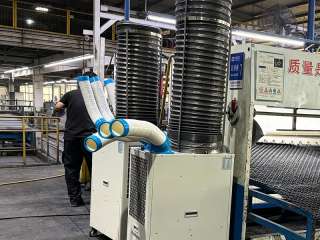
On July 16, we installed 30 portable air conditioning units across our production workshops, bringing tangible relief from the heat to the workers toiling on the front lines
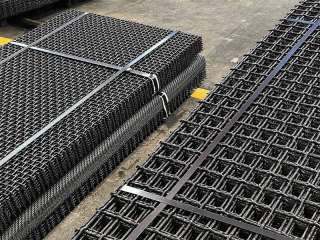
For mining, aggregate processing and precision filtration operations, picking between crimped metal wire mesh and standard woven wire mesh boils down to real-world performance under continuous heavy load
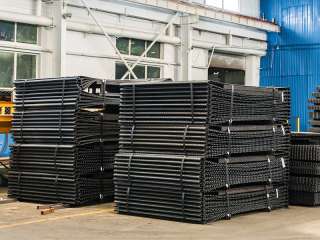
For quarry operations tired of inconsistent aggregate grading, square opening wire mesh is a purpose-built, low-fuss solution that delivers far more precise sizing than irregular slotted Screens
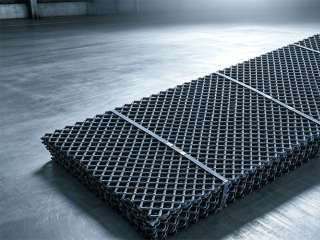
A clear understanding of the anti-clogging performance of properly selected Woven Wire Mesh for Wet Coal helps you drastically reduce these unnecessary losses, keeping your wet coal Screening line running at stable high efficiency for far longer
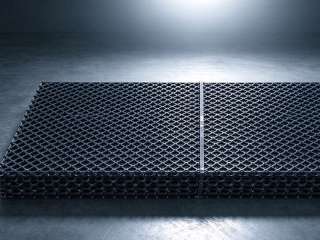
When using woven metal Screens for material processing, premature failure is often attributed to the quality of Screen material itself However, wear on support bars and improper installation methods are also significant contributors to this issue
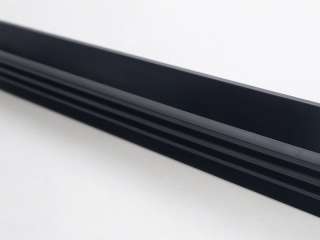
While metal clamping strips have their place, polyurethane strips are the clear winner for most modern Screening and conveying operations Their superior resistance to vibration, corrosion, and abrasion translates directly into longer service life
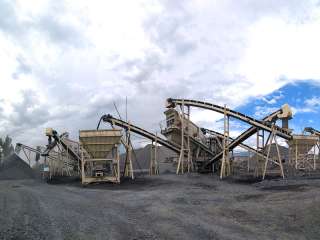
Pressure-welded steel gratings are reliable industrial components, but their performance depends on proper manufacturing processes, precise load calculations, and strict adherence to relevant standards
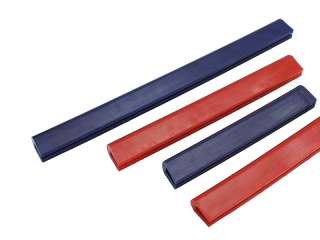
Traditional belt changes can take hours, but modular rubber strip systems are built for speed With the right steps, you can swap strips in minutes,getting your operation back on track fast
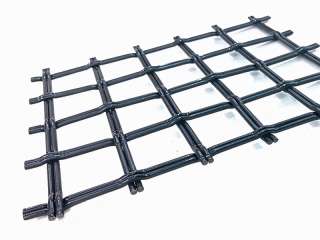
The structural stability advantages of double crimped Screens and their reliable application performance in mineral processing make them one of the most underrated cost-saving upgrades for modern concentrators
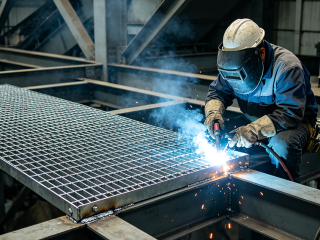
When it comes to locking down steel gratings in plants, mines, or industrial sites, the installation method matters—a lot The wrong setup doesn’t just annoy maintenance crews; it risks real safety hazards
