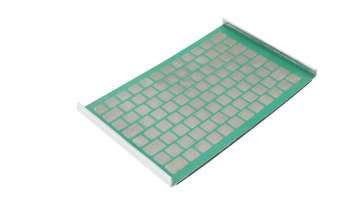
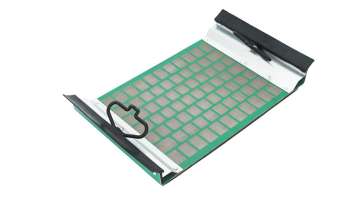
For whole day coal preparation plants that handle high-moisture sticky raw coal and fine coal slurry every day, screen clogging from wet fine particles wedged tightly into mesh openings is one of the most persistent pain points that cuts screening efficiency, forces frequent unplanned shutdowns for manual cleaning, and drags down overall coal processing output. Many on-site operation teams shared that they used to spend 2 to 3 hours every shift scraping clogged coal fines off the screen surface, wasting huge amounts of labor time and missing out on valuable production capacity. A clear understanding of the anti-clogging performance of properly selected Woven Wire Mesh for Wet Coal helps you drastically reduce these unnecessary losses, keeping your wet coal screening line running at stable high efficiency for far longer.
Pre-Crimped Interlocking Weave Structure
The first core factor that defines the anti-clogging capability of the screen is the pre-crimped interlocking weave structure, where every wire is pre-bent before weaving to lock tightly against adjacent wires at every intersection, eliminating the tiny sliding gaps that often catch and trap wet fine coal particles in plain loose woven mesh. This specialized weave design creates smooth, consistent mesh openings with no sharp hidden edges for sticky coal fines to cling to, making this type of Woven Wire Mesh for Wet Coal far less prone to partial blockage even when processing coal with 15% or higher surface moisture content.
Aperture and Open Area Reasonable Matching
The second critical selection rule to maximize anti-clogging performance is to pick a mesh specification with 10% to 15% larger aperture than the target separation particle size, and keep the open area above 50% for coarse and medium coal classification, instead of choosing an overly fine aperture that is just barely large enough for the target particles to pass through. This reasonable parameter matching creates enough free space for wet fine coal particles to slide through the openings smoothly without getting wedged, and avoids the common mistake of over-specifying mesh fineness that drastically reduces the anti-clogging performance of your Woven Wire Mesh for Wet Coal for no valid classification benefit.
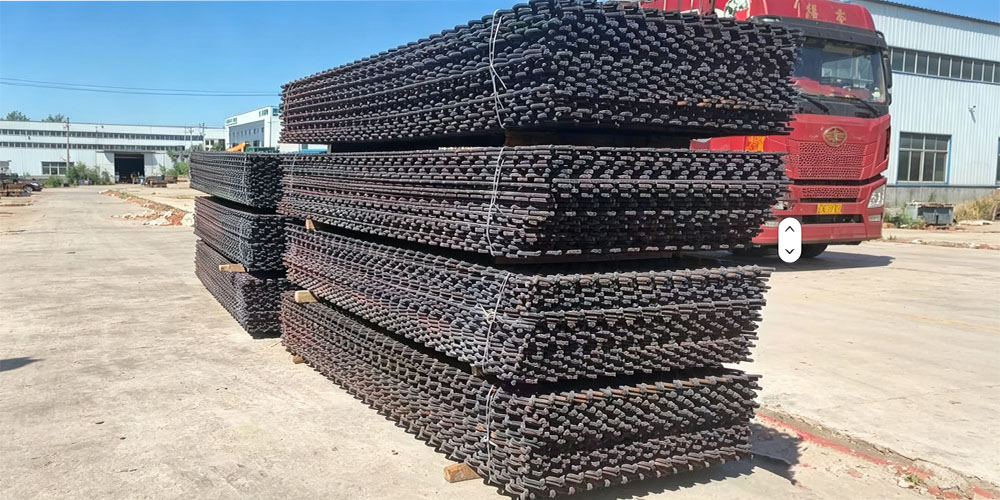
Vibration Parameter Tuning for Self-Clearing Effect
The third practical operational optimization to further boost anti-clogging performance is to fine-tune the screen’s vibration frequency and stroke to create a small secondary resonant bounce effect on the woven wire surface, which gently shakes off any partially adhered wet coal fines automatically during normal operation, instead of running the screen at a fixed low vibration intensity that lets sticky particles build up on the mesh. This tiny adjustment eliminates the need for frequent manual cleaning breaks, and ensures the anti-clogging properties of your Woven Wire Mesh for Wet Coal are fully utilized across every hour of continuous wet coal processing.
Following these structure selection, parameter matching and operational tuning rules will drastically reduce screen clogging related downtime, cut manual cleaning labor workload, and keep your wet coal screening classification efficiency stable at the required level for far longer.