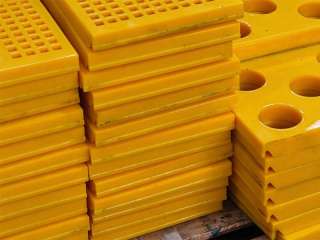
 Polyurethane Screen Panel Bolt Hole Design and Quick-Assembly Structure Analysis Guide">
A Polyurethane screen Panel s performance hinges on how securely it s mounted The attachment system is crucial for stability and minimizing downtime
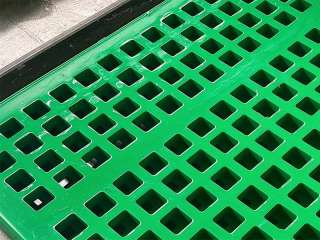 Polyurethane Screens and Respective Application Scenarios">
Selecting the right Polyurethane screen Panel requires careful consideration of aperture shape, as it directly impacts performance For Polyurethane screen Panels, the three primary shapes—round, square, and slotted apertures
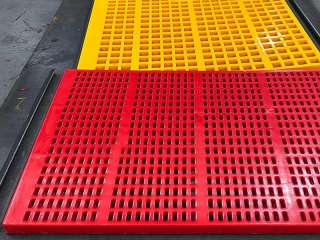 Polyurethane Screen Panels: Reducing Manual Handling and Installation Time">
Replacing heavy, cumbersome screen Panels is often a labor-intensive and time-consuming task, requiring multiple personnel and specialized equipment Lightweight Polyurethane screen Panels are engineered to directly address this challenge
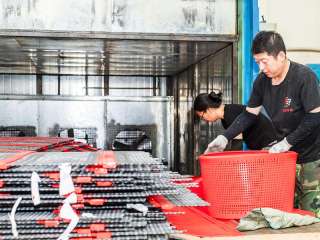 Polyurethane Screen Panels">
Polyurethane screen Panels are valued for their wear resistance and flexibility, but harsh chemical environments demand specialized formulations
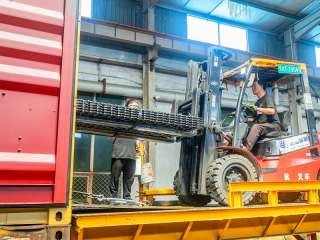
Choosing the right screen for mineral processing requires matching the equipment to the specific challenges of your ore s hardness Soft, clay-rich ores cause blinding and sticking, while hard, abrasive rocks lead to rapid wear
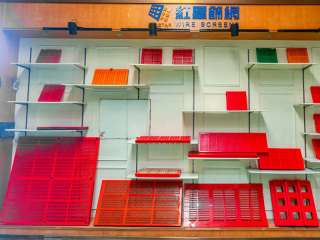 Polyurethane Screen Panels">
For plant operators, identifying manufacturing defects in new Polyurethane screen Panels is crucial to avoid premature failures A systematic acceptance check ensures you install Panels fit for purpose
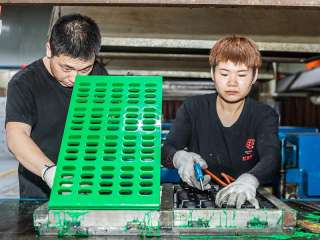 Polyurethane Screens During the Screening Process">
Don t wait for a screen to crack and fail to diagnose hydrolysis By proactively analyzing the hydrolysis resistance of the Polyurethane Panel, you can select screens designed for the environment
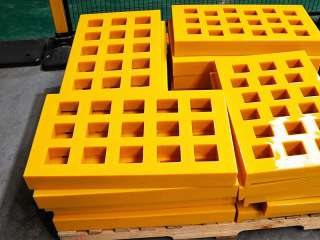 Polyurethane Screen Panels in Phosphate Ore Beneficiation">
Polyurethane screen Panels sound like a great choice—they’re known for standing up to wear—but if they can’t handle both the grinding and the acid, you’re going to see a lot of downtime and wasted money
 Polyurethane Screens for Aggregate Washing and Screening">
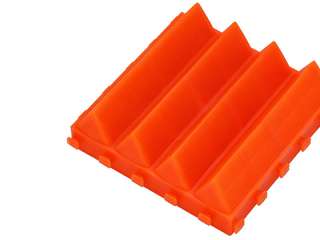
In aggregate washing and screening plants, achieving efficient dewatering while withstanding constant abrasive and hydraulic wear is a major operational challenge Polyurethane screens have become a go-to solution
 Polyurethane Tensioned Screen Panels">
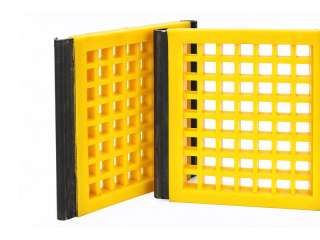
The effectiveness of high-quality Polyurethane tensioned screen Panels hinges entirely on the frame that supports them and the system used for their installation
