Frame Design and Rapid Screen-Changing System for Polyurethane Tensioned Screens
The effectiveness of high-quality polyurethane tensioned screen panels hinges entirely on the frame that supports them and the system used for their installation. A poorly designed frame or a cumbersome replacement process can undermine the panels’ benefits, leading to uneven tension, irregular wear, and costly downtime for maintenance. The optimal solution integrates a robust, precision-engineered frame with a purpose-built rapid screen-changing system, transforming a routine maintenance task from a multi-hour ordeal into a streamlined operation completed in under an hour.
Screen frame design: the cornerstone of uniform tension
The frame serves as the foundation, and its design must ensure uniform tension across the entire polyurethane tensioned panel to prevent “flapping” and premature failure. Critical features include true, flat support beams and side plates to avoid low-tension spots, robust cross-member support to resist flex under high tension and dynamic loads, and the use of corrosion-resistant materials like coated carbon or stainless steel for long-term stability in harsh, wet environments.
Frame Geometry: Why the Deck Must Be Drawn Like a Spring
The first thing old-school plants get wrong is treating the carrier deck as dead structure, when a Polyurethane Tensioned Screen needs a frame that anticipates stretch, flutter, and vibration harmonics. Support-bar pitch matters enormously: too wide and the panel drums between supports, the aperture bridge fatigues, and you get center-deck cracking; too tight and you steal open area, add dead weight, and create more edges for fines to peg against. Most experienced builders aim the support pitch and parabolic deck rise to the panel thickness, aperture size, and machine G-force, so the tensioned skin sits slightly cambered and sings under vibration instead of slapping the bars. The hook channel is the second silent killer—if the tension rail has sharp corners, paint buildup, or worn clamp plates, the polyurethane hook sees a stress concentration every cycle and tears at the edge long before the screening face wears out. A proper frame for a Polyurethane Tensioned Screen has machined or capped hook lands, rubber-lined clamp faces where useful, accurately drilled tension plates, and a center hold-down strategy so the panel cannot lift at the blind zone during reverse stroke. People love to blame the polyurethane; nine times out of ten the panel failed because the steel underneath was drawn on a napkin.
Hook Systems: The Difference Between “Tight” and “Correct”
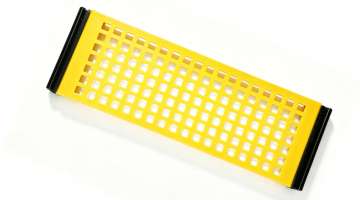
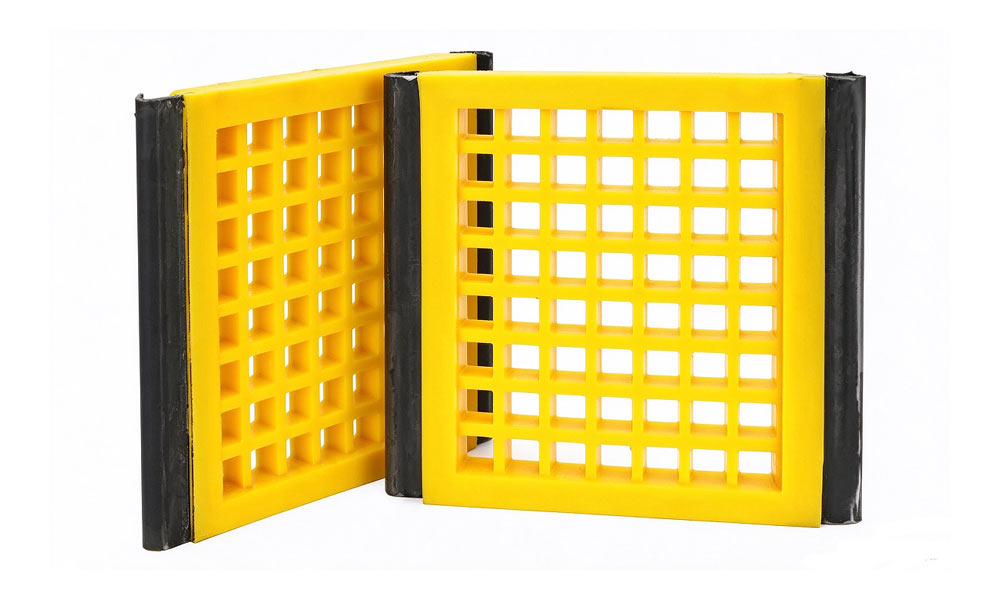
There is a big gap between a screen that is bolted hard and a screen that is tensioned correctly, and the hook system is where that gap shows up. A Polyurethane Tensioned Screen can be side-tensioned across the width or end-tensioned along the flow direction, and the choice is not decorative: side tension suits wide decks and wire-like open area, end tension suits long fine-sizing panels where longitudinal reinforcement ropes carry the pull and keep slot geometry stable. The hook itself may be all-polyurethane covered steel, exposed galvanized strip, or a molded PU lip over a steel insert; the polyurethane-covered hook resists corrosion and edge wear but needs a rail profile that grips without peeling the cover, while the exposed hook is easier to inspect but rusts if the plant never maintains it. Temperature fools everyone here—cold polyurethane is stiff, so a panel tensioned at 5 °C in a winter quarry will relax by noon when the deck warms and slurry heats the surface, which is why good crews tension to a spec, run the machine under load, and re-torque after the first shift. A rapid system is worthless if the hooks are not matched to the rail, because “quick” just means you damage the panel faster; the frame, hook profile, and torque spec have to be one conversation, not three departments arguing after the deck bled fines through a lifted edge.
The core components of the rapid screen changing system
A genuine rapid screen-changing system goes beyond standard bolts. It typically incorporates tensioning rails with cam levers or wedges that allow simultaneous release or tensioning of an entire rail, pre-installed tensioning hardware to eliminate handling loose small parts, and centralized tensioning points designed for ergonomic and safe operation from the screen’s side or end.
Efficient workflow: from hours to minutes
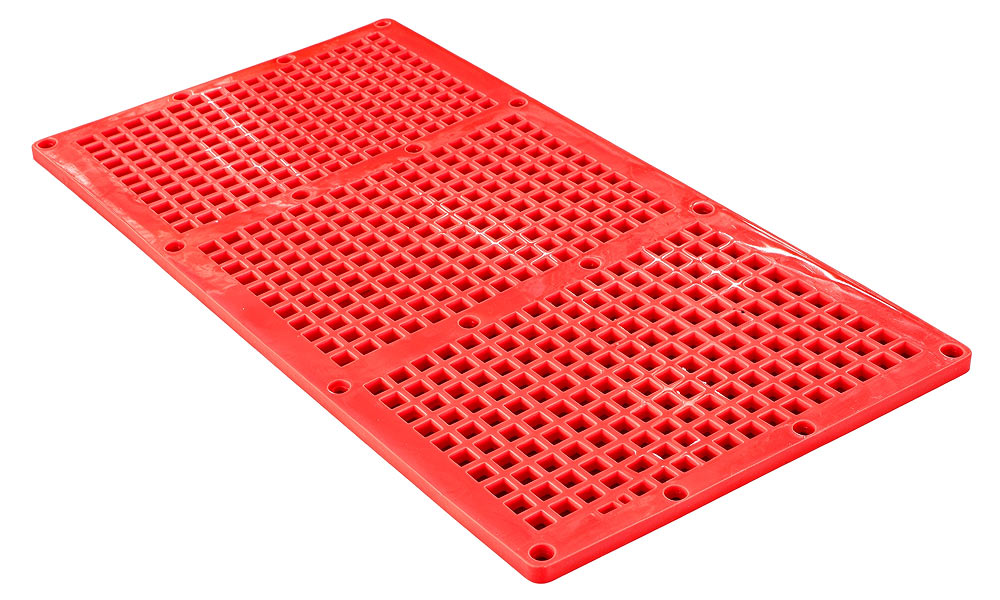
With a dedicated system, the screen-changing workflow is revolutionized. After releasing the tensioning mechanisms, the old polyurethane panel can often be removed as a single unit. The new panel is then positioned, and the tensioning system of polyurethane tensioned panel is engaged sequentially to apply even, repeatable tension across the full width. This process can slash change-out time from 4-8 hours to less than 60 minutes, significantly boosting equipment availability.
System Integration and Security Gains
A well-designed system is fully integrated with the screen vibration isolation and drive components to prevent interference. Moreover, it substantially enhances safety by minimizing the time personnel must spend in hazardous areas near the deck and reducing reliance on heavy, awkward manual tools.
Selecting polyurethane tensioned screen panels without considering the frame and changing system is an incomplete approach. When specifying screens or planning an upgrade, it is crucial to evaluate the frame design and request a demonstration of the rapid screen-changing system. The return on investment derives not only from extended panel life but also from dramatically reduced labor costs and production losses during maintenance.