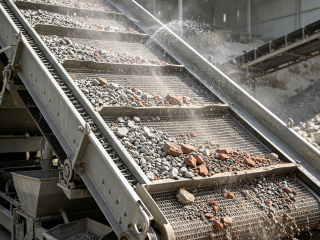
This practical guide breaks down the core rules for selection and bulk procurement of quarry aggregate screening mesh, tailored to real-world site conditions across North America, Australia and Europe
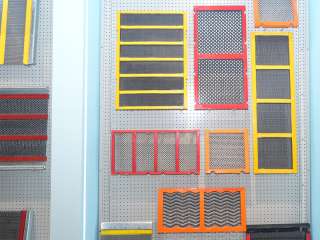
Self-cleaning screens have quietly become a game-changer on modern mining sites—not by adding complexity, but by solving a problem every operator knows too well: blinding When fine, damp material clogs standard mesh, productivity tanks
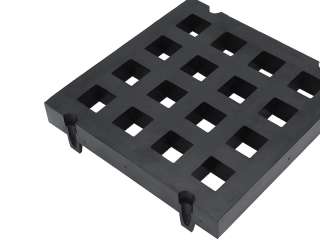
If you’ve ever pulled a screen deck and found half the high-natural rubber screen plates shredded while the other half look brand new, you know the frustration
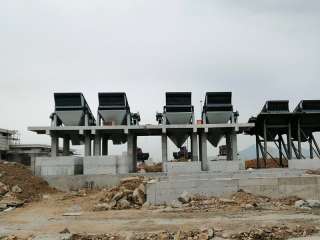
For dry screening large, high-impact materials, mining rubber screen panels aren t just an alternative; they are the gold standard They bring a unique set of advantages that Steel simply can t match
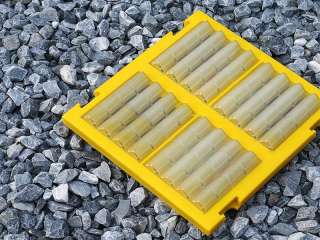
Today, the industry is moving toward tailings dry stacking, and at the heart of this revolution is a powerful duo: the high-frequency polyurethane fine screen and its star player of dewatering panel
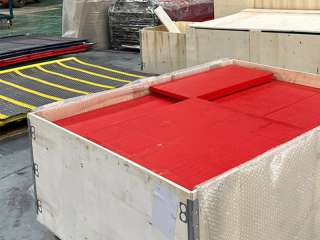
Savvy operators are discovering that the unique properties of polyurethane fine screens provide the ultimate line of defense, delivering desliming and dewatering performance that traditional Steel screens simply cannot touch
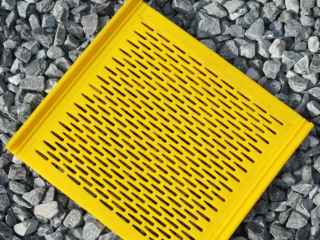
If you’ve ever tried to screen wet, sticky fines at high tonnage, you know the pain of blinding screens and soggy product That’s where polyurethane flip-flow screen panels come in—but not all panels are created equal
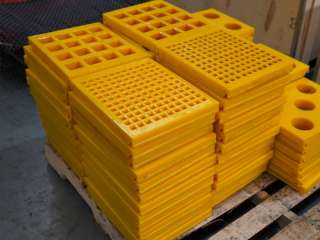
Upgrading to polyurethane screens for fine mineral grading is a strategic move It solves the blinding issues associated with fine materials, guarantees precise classification, and ultimately boosts the efficiency of your operation
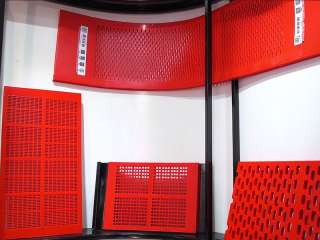
It blunts easily, stretches, and loses its accuracy This is where the polyurethane fine screen steps in It’s not just a replacement
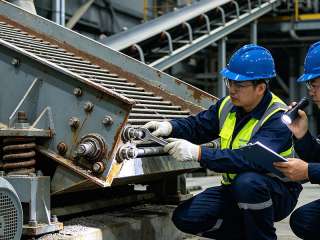
consistent daily inspections of the vibrating grizzly screen are essential By simply monitoring the tightness of fasteners and the condition of the screen bars, you can nip minor issues in the bud before they escalate
