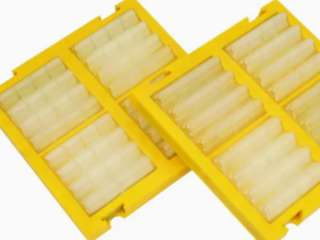
Sand washing operators love polyurethane screens — until they get the invoice These flexible panels deliver impressive dewatering performance, but the consumable costs add up quietly across a busy production line
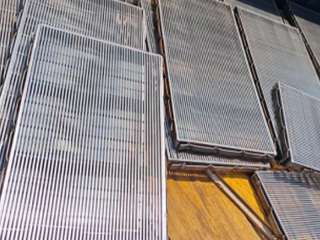
The right anti-clogging and wear-resistant wedge wire screen for bauxite washing is not a luxury — it s a cost-saver that keeps your plant running while competitors swap panels every few weeks
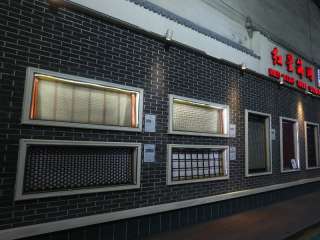
Coal slurry water treatment is messy, abrasive, and demands screens that won t quit mid-shift Wedge-wire screens have quietly become a favorite in fine filtration for this exact reason
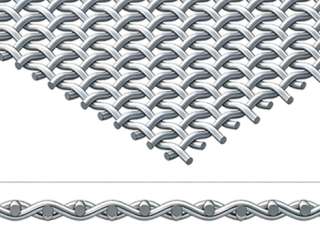
Metal woven screen mesh stands out in the sand and gravel processing and mining industry due to its efficient s
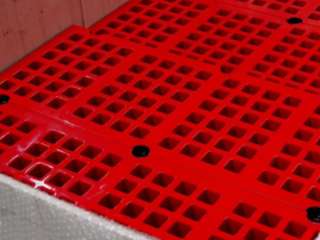
Stepping into a mineral processing workshop, one is immediately met with the deafening noise of material impacting the screens; metal screens, in particular, generate significantly more noise than polyurethane screen panels
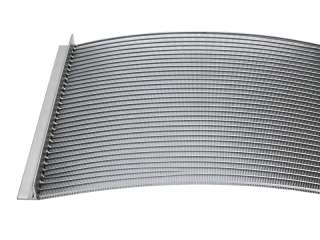
A basic replacement cycle prediction backed by simple weekly wear monitoring methods keeps your wedge wire screens performing right up to their planned end of life
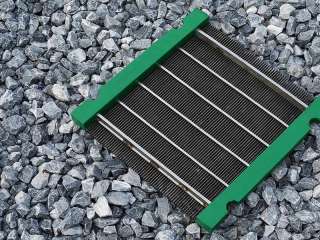
Choosing the right wedge wire screen and implementing effective wear-resistance strategies is the key to distinguishing a plant that runs efficiently and continuously from one trapped in an endless cycle of replacements
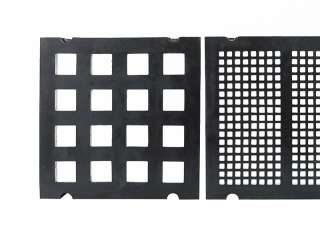
Traditional Steel panels just can’t shake off that sticky, moisture-laden material, That’s exactly why the anti-adhesion and self-cleaning design of modern rubber screen has become a game-changer for operations handling wet and sticky materials
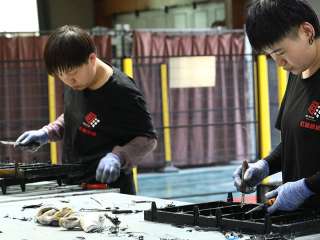
Bolt-fixed and pin-and-sleeve rubber screen Installation are the two most common systems on the market, but they work completely differently on different decks and for different operation sizes
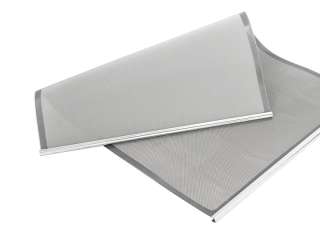
If you’re running a mine water treatment system, getting solid and liquid separated right is seriously important Out of all the options, wedge wire screens really stand out They handle harsh conditions well and offer precise filtration
