After working in iron ore processing plants for a while, you realize a harsh truth: the dewatering stage causes screen wear far more rapidly than any other part of the process. Abrasive magnetite and hematite particles can wear down standard screens in just a few weeks, forcing constant replacements that drain your budget. Choosing the right wedge wire screen and implementing effective wear-resistance strategies is the key to distinguishing a plant that runs efficiently and continuously from one trapped in an endless cycle of replacements. Here are some recommendations for making smarter choices and extending screen service life.
 Why Iron Ore Slurry Rapidly Damages Standard Screens
Fine iron ore particles are not only moisture-laden but also angular and rich in silica; they act like sandpaper, constantly abrading the screen surface. When processing high-flow slurries with solids content exceeding 30%, each ore particle strikes the screen wires thousands of times per minute. Standard carbon steel wedge wire screens may last less than a month before the edges of the screen slots become rounded and dull; this reduces the effective open area and leads to a significant drop in dewatering efficiency. This wear is not merely a cosmetic issue but a functional failure that results in a daily loss of actual processing throughput.
Selecting the Right Wedge Wire Screen for Harsh Conditions
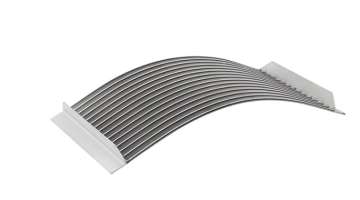
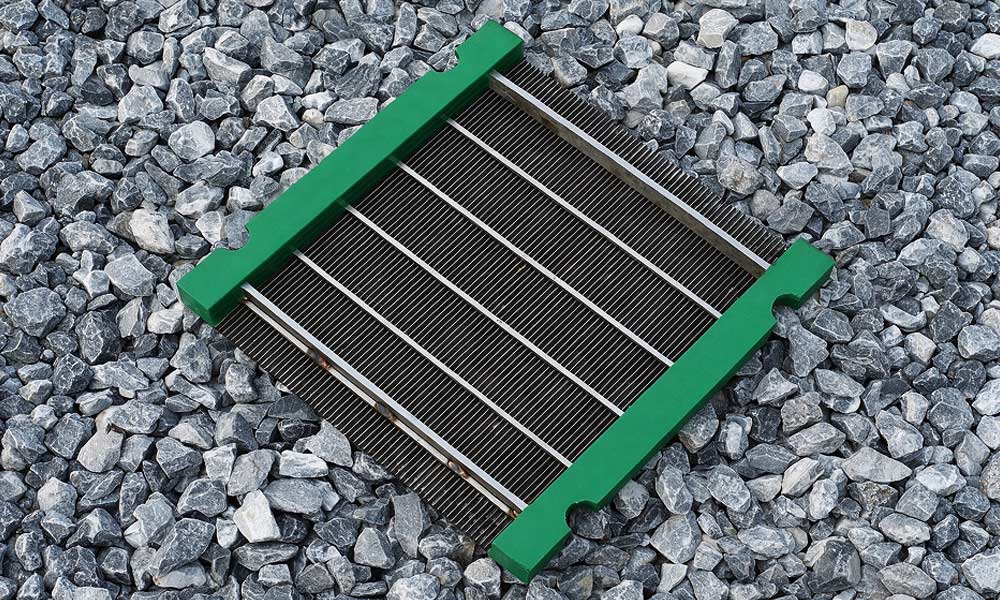
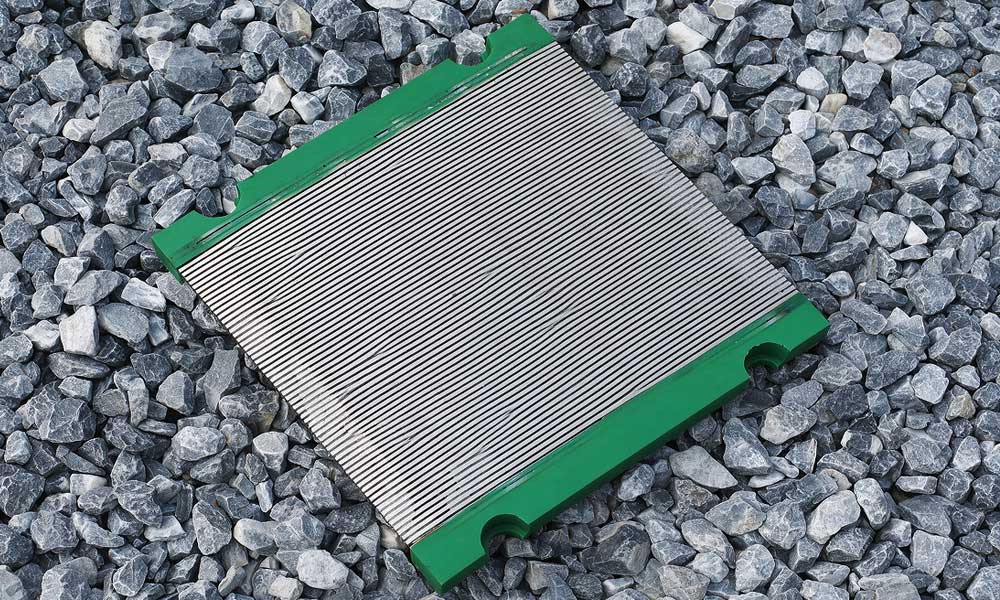
When selecting a wedge wire screen, prioritize a trapezoidal wire profile over the standard triangular profile. The wide base of the trapezoidal wire provides a larger contact area, helping to distribute wear stress and slow the rate of edge erosion on the screen surface. If the slurry is corrosive, 316L stainless steel screens are recommended; if the ore is highly acidic, duplex stainless steel screens are the ideal choice. The slot width must match the target separation size: slots that are too wide lead to the loss of fine particles, while slots that are too narrow are prone to clogging.
Wear-Resistance Strategies to Effectively Extend Screen Life
Beyond material selection, certain on-site operational measures can also yield significant results. Applying a polyurethane or ceramic coating to the leading edge of the wedge wire screen—the area most susceptible to impact—is a cost-effective modification that can double its wear life. While maintaining proper material flow, the operating vibration intensity of the dewatering screen should be minimized; excessive vibration accelerates wear without improving dewatering performance. Rotating the screen 180 degrees halfway through its service life distributes the wear load evenly across both ends, preventing premature disposal caused by excessive wear on just one side.
 Selecting the right wedge wire screen for iron ore dewatering, combined with
proven wear-resistance strategies, represents more than just a one-off solution;
it signifies a shift in the approach to screen cost management. By utilizing
superior materials, scientifically optimized profiles, and simple rotation-based
maintenance, operators can cut annual screen replacement costs in half while
ensuring dewatering efficiency remains at optimal levels.
Selecting the right wedge wire screen for iron ore dewatering, combined with
proven wear-resistance strategies, represents more than just a one-off solution;
it signifies a shift in the approach to screen cost management. By utilizing
superior materials, scientifically optimized profiles, and simple rotation-based
maintenance, operators can cut annual screen replacement costs in half while
ensuring dewatering efficiency remains at optimal levels.