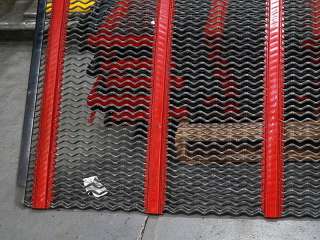
 self-cleaning screens with Existing Vibrating Screen Frames">
Integrating modern self-cleaning screens into existing equipment is a cost-effective way to boost efficiency A successful retrofitting scheme ensures compatibility with your current vibrating screen frames
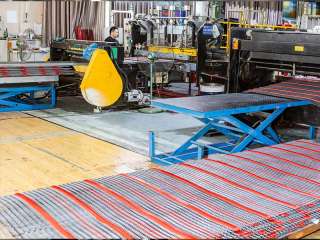 self-cleaning screens Design for Water Flow and Anti-Clogging in Tailings Processing">
With standard screens, you’ll notice they get blocked fast—especially with clay-rich slurries, water stops flowing and the whole process grinds to a halt That’s why self-cleaning screens are essential
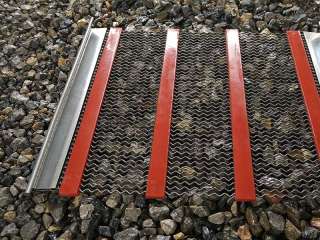 self-cleaning screens and Common Installation Errors">
The advanced vibration technology of a self-cleaning screen is only as reliable as its installation A poorly tensioned screen deck will fail prematurely, regardless of its self-cleaning capabilities
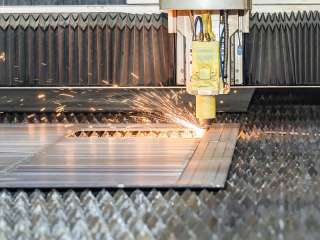 screens to self-cleaning screens">
Upgrading from standard screens to self-cleaning models is a significant capital investment To justify it, you need a clear, numbers-driven calculation of return on investment that goes beyond the simple purchase price
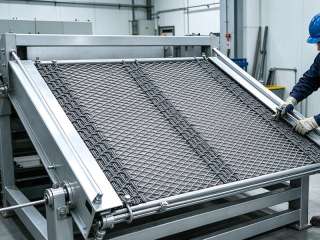 self-cleaning screens">
The promise of a self-cleaning screen lies in its ability to generate the precise motion needed to shed sticky material The core of this capability is the principle of independent vibration frequency
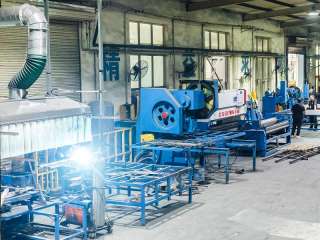 self-cleaning Performance of self-cleaning screens for High-Moisture Coal Screening">
Screening high-moisture, sticky coal is a constant battle against blinding self-cleaning screens promise a solution, but not all live up to the claim under real, wet conditions
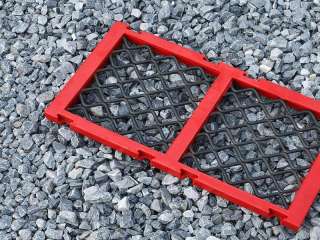 self-cleaning screens">
Anyone running self-cleaning screens knows that vibration settings aren t something you dial in once and forget The screening machine amplitude you choose directly controls whether fines bounce off or get hammered into the deck
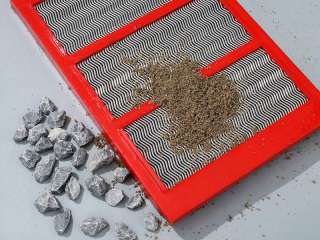 self-cleaning screens in the Fine-particle Classification and Anti-caking of Quartz Sand">
self-cleaning screens were designed for exactly this mess Their application in anti-caking roles goes beyond just staying open; it s about keeping gradation sharp and throughput honest over long shifts
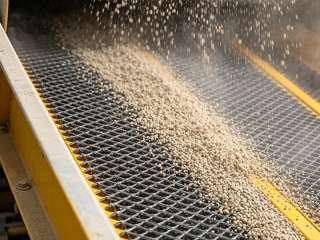 self-cleaning screens Used in Screening Fine-Grained Materials">
Apertures clog, material cakes, and throughput drops to a crawl self-cleaning screens were built to fight that, but the aperture shape and size you choose make or break the whole system
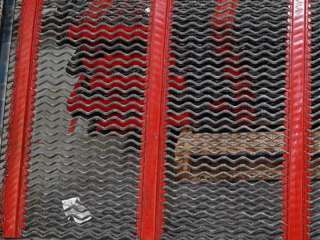 self-cleaning screens for screening high-dust limestone materials">
self-cleaning screens with proper anti-blinding design tackle this head-on — but only when the engineering is right Cheap retrofits don t cut it; you need a system built around the material s actual behavior
