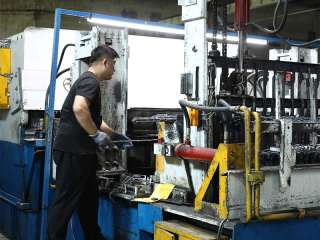
Coal preparation plants are brutal environments for any screen surface Slurry with hard quartz particles, acidic runoff, and nonstop vibration — it s a triple threat that chews through ordinary woven metal screens fast
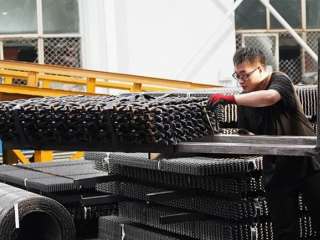
Woven metal screens in tin ore processing don t have to be a money pit—they just need honest specs matched to your actual feed
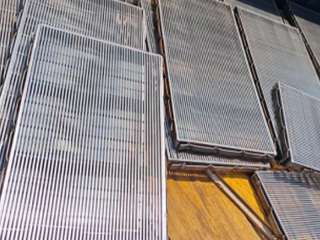
The right anti-clogging and wear-resistant wedge wire screen for bauxite washing is not a luxury — it s a cost-saver that keeps your plant running while competitors swap panels every few weeks
Coal slurry water treatment is messy, abrasive, and demands screens that won t quit mid-shift Wedge-wire screens have quietly become a favorite in fine filtration for this exact reason
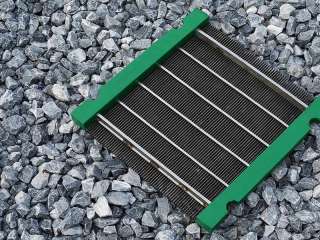
Choosing the right wedge wire screen and implementing effective wear-resistance strategies is the key to distinguishing a plant that runs efficiently and continuously from one trapped in an endless cycle of replacements
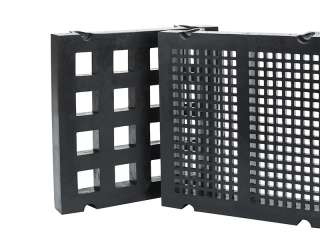
Picking the right rubber screen panel thickness might seem like a tiny detail, but it’s one of the easiest ways to slash unnecessary wear costs and keep your screening line running reliably
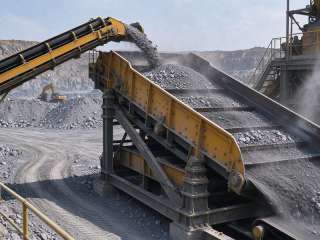
Picking the right woven metal screens isn’t just a box to tick—it makes a big difference in how well your aggregate screening line performs and how much you get out of it
Custom-optimized solutions lock in full corrosion resistance without blocking the precision slots that make wedge wire welded screens so effective for fine particle separation
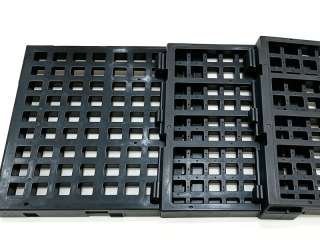
switching to purpose-built rubber screen panels at the final crushing stage can cut on-site noise by 15-20 decibels and extend screen service life, while maintaining consistent screening accuracy for your required final aggregate gradation
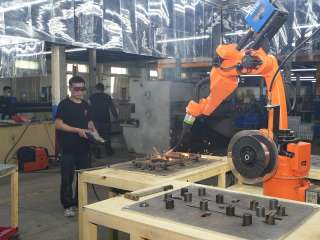
For the aggregate processing and mining sectors, selecting between natural rubber and synthetic rubber screens is a common challenge; a poor choice can reduce production efficiency and drive up consumable costs
