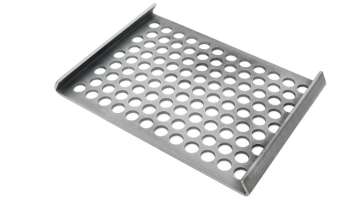
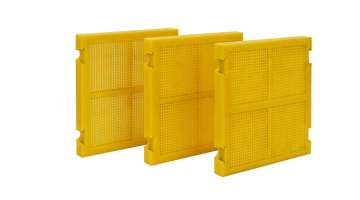
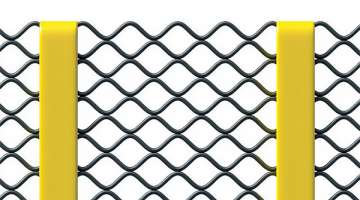
Coal preparation plants are brutal environments for any screen surface. Slurry with hard quartz particles, acidic runoff, and nonstop vibration — it's a triple threat that chews through ordinary woven metal screens fast. Picking the right wear resistance grades and having solid erosion-corrosion countermeasures in place isn't just smart maintenance; it's how you keep tons moving and costs down. Most plants learn this the hard way after blowing through a few cheap panels.
Understanding Wear Resistance Grades Before You Buy
Not all woven metal screens are created equal, and the grade matters more than most purchasers realize. Standard carbon steel wire might last a few weeks on a dewatering deck. High-carbon spring steel bumps that to a couple of months. Manganese steel or alloy-enhanced weaves — think chromium-moly blends — can stretch life to six months or more under the same abuse. The trick is matching the wire composition to your coal's abrasiveness. Lignite with light clay? Mid-range works. Bituminous with heavy quartz? Go premium or regret it.
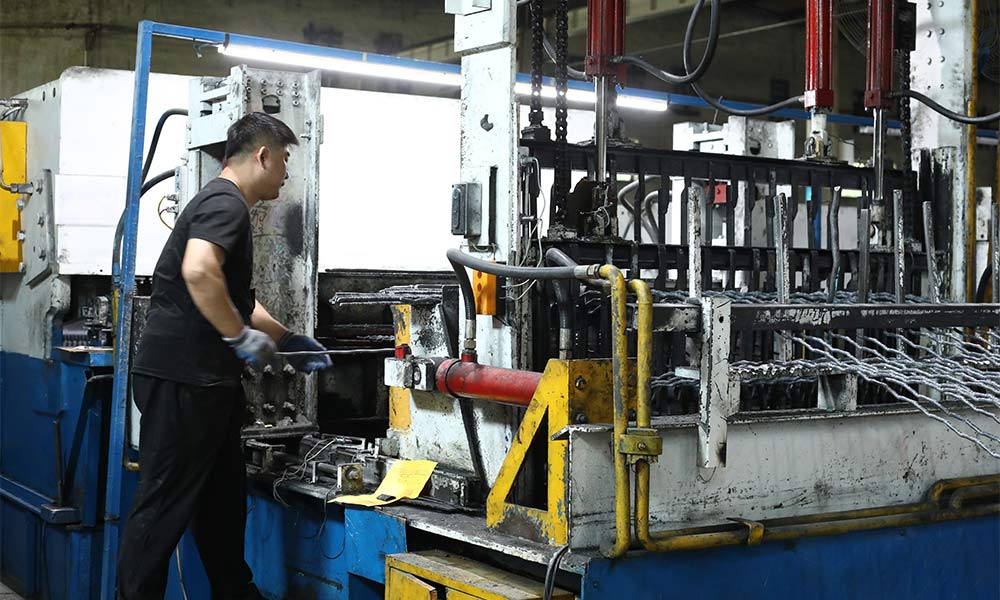
Why Erosion-Corrosion Hits Harder Than You Expect
Here's what catches people off guard: it's not just the particles scraping the surface. Coal slurries often carry acidic water from mine drainage, and that chemical attack weakens the wire structure while the physical grinding does the visible damage. Together they create pitting and thinning that spreads faster than plain abrasion alone. Ignoring this combo means your woven metal screens fail at half their rated life.
Practical Countermeasures That Actually Work
Coating the mesh with polyurethane or rubber lining adds a sacrificial layer that absorbs the worst of the impact. Using heavier wire gauges in high-wear zones — like the feed end — spreads the punishment. And rotating panel position every few weeks prevents one spot from becoming a crater. Simple things, but they compound into real savings.
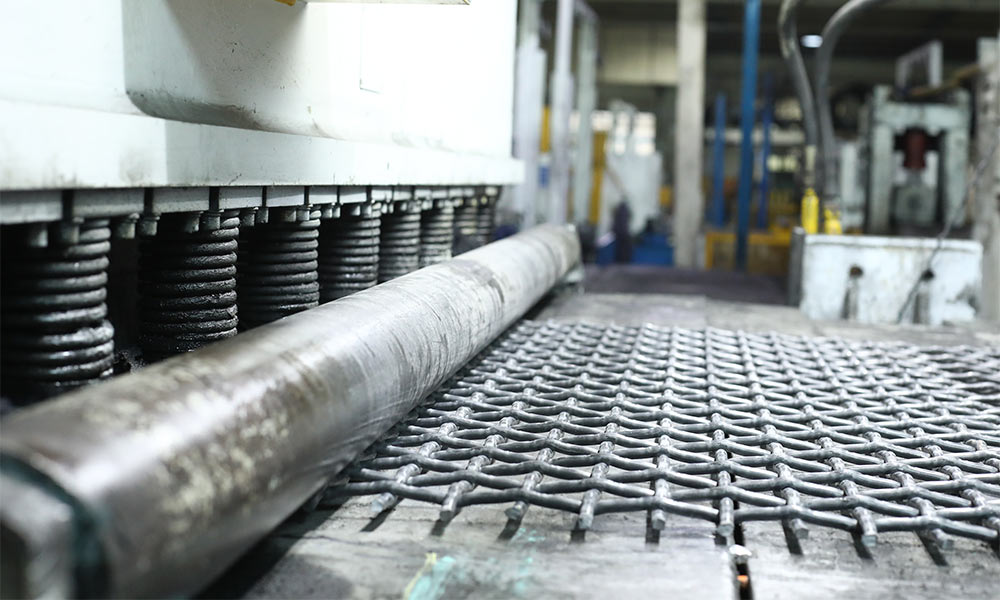 Woven metal screens in coal preparation plants don't have to be a
revolving-door expense. Get the wear resistance grade right, layer in
erosion-corrosion countermeasures, and you'll see fewer changeouts and steadier
throughput. Drop us your coal type and screen specs — we'll help you build a
setup that actually holds up.
Woven metal screens in coal preparation plants don't have to be a
revolving-door expense. Get the wear resistance grade right, layer in
erosion-corrosion countermeasures, and you'll see fewer changeouts and steadier
throughput. Drop us your coal type and screen specs — we'll help you build a
setup that actually holds up.