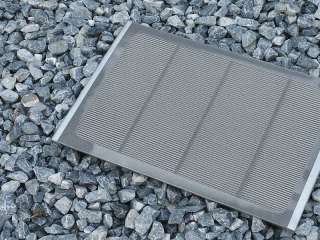
 Screens">
If you’ve ever watched tons of high-value fine coal get washed away with overflow water in the recovery stage,
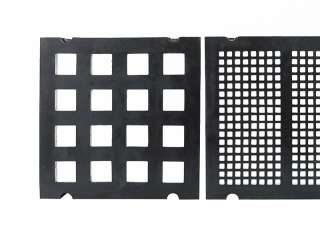 Screen Mesh for Wet Sticky Material">
Traditional steel panels just can’t shake off that sticky, moisture-laden material, That’s exactly why the anti-adhesion and self-cleaning design of modern rubber Screen has become a game-changer for operations handling wet and sticky materials
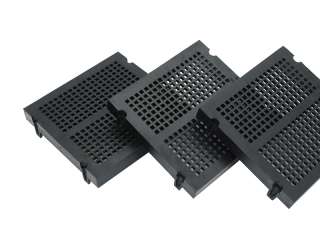 Screen :Different Application Environments for Soft and Hard Rubber Screen">
The secret to avoiding that headache often comes down to one simple number: Shore Hardness Soft and hard rubber Screen panels aren’t interchangeable, and their performance lives or dies by the unique conditions of your application environment
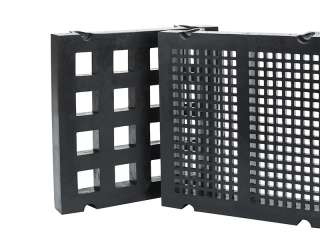 Screen Panel Thickness for Light and Heavy Duty Use">
Picking the right rubber Screen panel thickness might seem like a tiny detail, but it’s one of the easiest ways to slash unnecessary wear costs and keep your Screening line running reliably
 Screen Panels Installation">
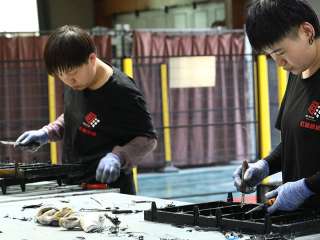
Bolt-fixed and pin-and-sleeve rubber Screen Installation are the two most common systems on the market, but they work completely differently on different decks and for different operation sizes
 Screens for Extreme Conditions">
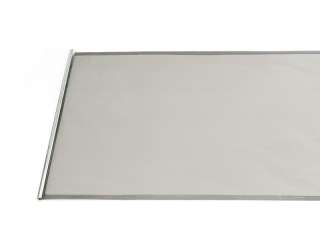
316L stainless steel wedge wire Screens pop up over and over as the material of choice Why? They just stand up better to harsh, corrosive conditions
 Screens for Mine Water Treatment Systems">
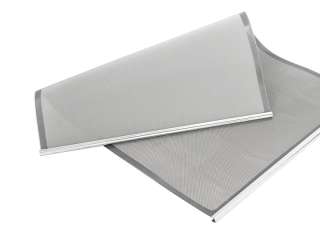
If you’re running a mine water treatment system, getting solid and liquid separated right is seriously important Out of all the options, wedge wire Screens really stand out They handle harsh conditions well and offer precise filtration
 Screen Hosts Successful Exchange Meeting for New and Experienced Staff">
To further solidify the team s professional foundation and foster the transfer of experience alongside capability enhancement, our company recently organized an exchange meeting for new and experienced employees
 Screens for Aggregate Screening Production">
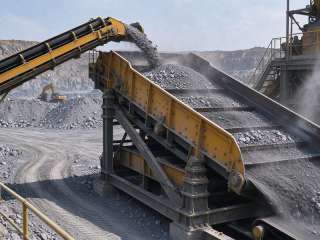
Picking the right woven metal Screens isn’t just a box to tick—it makes a big difference in how well your aggregate Screening line performs and how much you get out of it
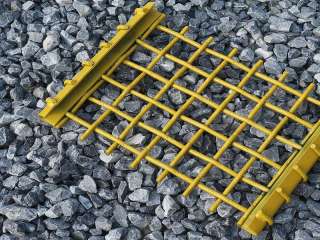 Screening Right with Twill-Weave Metal Mesh">
If you work in industrial Screening, you know how important it is to separate fine particles accurately—without that, both product quality and efficiency can take a hit That’s where twill-weave metal mesh comes in
