When you’re working in tough environments—think chemical plants, mining
operations, or filtering seawater—choosing the right screen really isn’t
optional. It’s survival. 316L stainless steel wedge wire screens pop up over and
over as the material of choice. Why? They just stand up better to harsh,
corrosive conditions. But it’s not enough to just pick them for the job; you
need to understand where they shine, where they don’t, and how to handle them if
you want them to last.
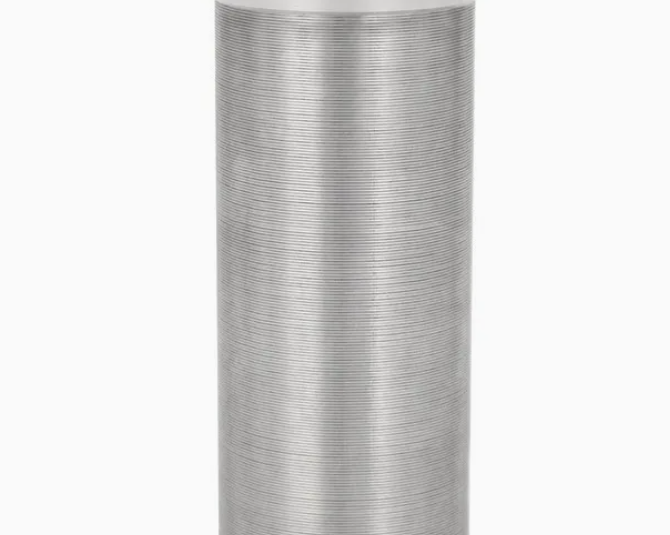
What is Special About 316l Wedge Wire Screens
The “L” literally stands for “low carbon,” and that’s its secret weapon. Low
carbon content blocks that nasty process called sensitization, where regular
stainless steel, when heated, can lose its protective layer and end up rusting
in the presence of chlorides, acids, or salts. With 316L, you don’t get that. It
shrugs off pitting and crevice corrosion, and it handles aggressive water,
caustic process fluids, or relentless salt spray by the coast without
flinching.
Where Do You Actually Use these Screens
You’ll spot them in offshore oil and gas setups, tough desalination systems,
and industrial acid recovery. They don’t have superpowers, though. High
concentrations of hydrochloric acid or sulfuric acid,especially when it’s hot
can still get the better of them. You need to know your process cold: pH,
chloride level, and the operating temperature all matter. If you’re running
hotter or nastier than 316L wedge wire screens can take, you’ll have to look at
specialty materials like Hastelloy or more exotic duplex stainless steel.
Even a Great Material can Fail If You Treat it Carelessly
When you’re installing 316L wedge wire screens, don’t use regular steel tools
right on the surface. That’s just an invitation for rust—iron contamination can
show up before you know it. Always stick to compatible fasteners too, or you’ll
cause galvanic corrosion. For cleaning, don’t reach for just any industrial
solvent. Chloride-based cleaners or bleach are recipes for disaster and can
start cracking the metal under stress. Stick with non-chlorinated products and
check the screens now and then for tiny pits or discoloration, especially around
any welds. Catching small problems early saves you a lot of pain down the
line.
316L wedge wire screens really can stand up to harsh, corrosive environments,
but only if you respect their limits and handle them right. Get the details
straight, follow the right protocols, and you get dependable filtration that
protects your operation and seriously cuts down unplanned downtime. That’s good
for everyone.


Leave A Reply
By using form u agree with the message sorage, you can contact us directly now