Search Red Star

What are you looking for?

Search Results

Search: polyurethane

317 results found in 0.080s
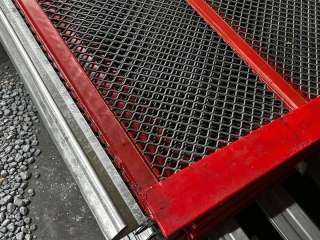
Third-Party Quality Testing of Self-Cleaning Screens: Target Values for Screening Efficiency and Wear Resistance
Screening Knowledge

Third-Party Quality Testing of Self-Cleaning Screens: Target Values for Screening Efficiency and Wear Resistance

Self-Cleaning Screen Quality Testing‌ runs continuous high-abrasion material feed for a standardized 72-hour test period, measuring the total surface material loss and checking for any signs of surface fatigue cracking
Types of Self-Cleaning Screens Suitable for Processing Sticky Lithium Ore Materials
Screening Knowledge

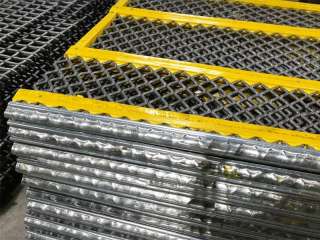
Types of Self-Cleaning Screens Suitable for Processing Sticky Lithium Ore Materials

Purpose-built ‌self-cleaning screens‌ tailored for sticky lithium ore processing solve these pain points completely, maintaining consistent high-efficiency classification even when handling heavily clay-contaminated, high-moisture lithium ore feed
PU Materials with Different Densities on the Wear Resistance of PU Screens
Screening Knowledge

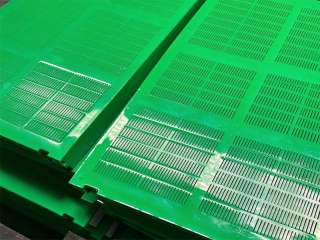
PU Materials with Different Densities on the Wear Resistance of PU Screens

Selecting the right polyurethane material density is one of the most impactful, yet often overlooked factors that directly determines the actual service life of their polyurethane Screen Plates
Installation and Fastening Methods for Specialized Woven Metal Screens for Trommel Screens
Screening Knowledge

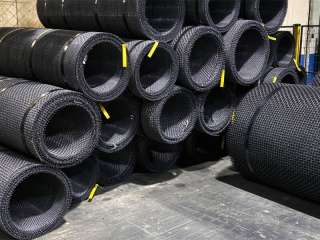
Installation and Fastening Methods for Specialized Woven Metal Screens for Trommel Screens

Unlike flat vibrating screen decks that only need uniform static tension across the panel, specialized ‌Woven Metal Screens‌ for trommel screens have to withstand constant cyclic bending
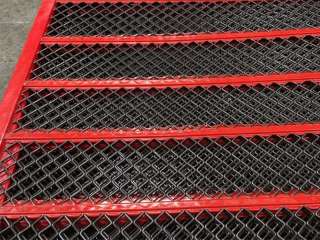
Self-cleaning Screens and Wedge-wire Screens for Fine-particle Dewatering
Screening Knowledge

Self-cleaning Screens and Wedge-wire Screens for Fine-particle Dewatering

If you’re working in mineral processing, sand plants, or coal prep, picking the right screen matters, Two main types are out there: self-cleaning screens and wedge wire screens
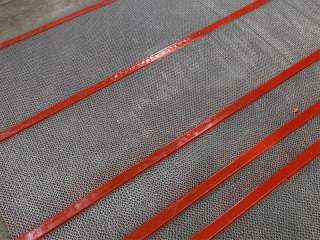
The Role of Using Self-Cleaning Screens in the Copper Concentrate Dewatering Process
Screening Knowledge

The Role of Using Self-Cleaning Screens in the Copper Concentrate Dewatering Process

Self-Cleaning Screen in Copper Concentrate Dewatering serves as a practical, high-impact upgrade that fits seamlessly into existing workflows without full line reconstruction
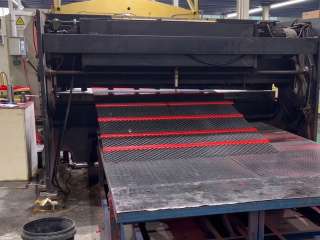
Anti-blinding and Wear-resistant of Self-cleaning Screens for Heavy Mineral Sand
Screening Knowledge

Anti-blinding and Wear-resistant of Self-cleaning Screens for Heavy Mineral Sand

Unlike standard industrial screens that require regular manual cleaning and frequent deck replacement, a purpose-built ‌Self-Cleaning Screen for Mineral Sand‌ is engineered to address these two core failure modes simultaneously
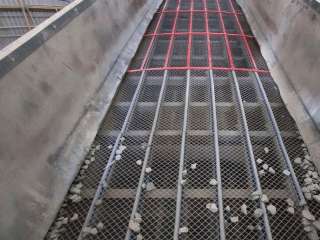
Anti-adhesion and Efficiency Enhancement Scheme for Self-cleaning Screens in Gypsum Ore
Screening Knowledge

Anti-adhesion and Efficiency Enhancement Scheme for Self-cleaning Screens in Gypsum Ore

High-performance self-cleaning screens can still struggle with persistent blinding when feed moisture rises above 8% or carries fine clay impurities
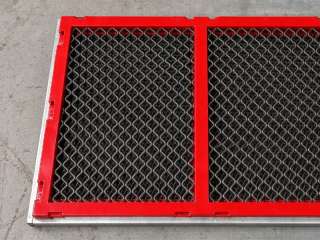
Clay Stripping Efficiency and Performance of Ore-Washing Trommel Screen with Built-in Self-Cleaning Screens
Screening Knowledge

Clay Stripping Efficiency and Performance of Ore-Washing Trommel Screen with Built-in Self-Cleaning Screens

Many traditional ore-washing trommel screens struggle to deliver consistent stripping results especially when the feed carries high moisture and heavy clay content
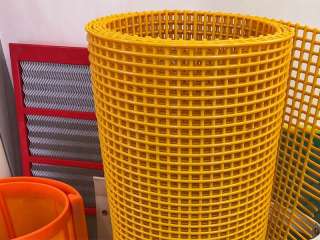
Prediction of Wear-Based Replacement Cycles and Spare Parts Management for Grizzly Screens
Screening Knowledge

Prediction of Wear-Based Replacement Cycles and Spare Parts Management for Grizzly Screens

​In mining and aggregate plants, the grizzly screen takes a beating—it’s the first line that sorts out oversized rocks, facing nonstop impact and abrasion