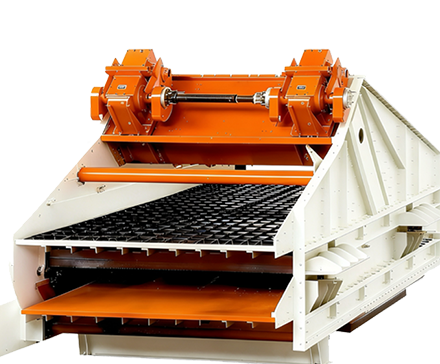
In mining and aggregate plants, the grizzly screen takes a beating—it’s the first line that sorts out oversized rocks, facing nonstop impact and abrasion. Plenty of operators fight an ongoing battle with unexpected breakdowns because it’s hard to know exactly when to swap out worn parts. But there’s a better way: replace components based on real wear, not guesswork or a calendar. With this approach, you watch the actual condition of screen bars and other wear parts, so you change them at just the right moment—not too soon, not too late. Paired with solid spare parts management, this strategy slashes emergency downtime and keeps maintenance costs in check. Here’s a closer look at how you can forecast wear‑and‑tear cycles on the grizzly screen, plan for replacements, and keep your parts supply ready to roll—so production doesn’t grind to a halt when you can least afford it.
Spotting Wear on Your Grizzly Screen
No two grizzly screens wear the same. The rock type, how fast you’re feeding material, and the amount of running hours all play a part. The grizzly bars themselves take the brunt. Over time, they get thinner and their sharp edges wear down. If you pay attention—track thickness, monitor their shape, and record the tons processed—you can build a solid baseline for how long they’ll last at your plant. Even simple measurement logs synced with production totals go a long way. Instead of scrambling when bars wear out unexpectedly, you’ll see what’s coming and plan replacements during normal downtime with budgets in mind.
Building a Smarter Replacement Plan
Once you’ve nailed down your typical wear rate, you’re ready to set up a replacement schedule that actually fits your reality. Many operators use a wear threshold—say, swapping out grizzly bars when they’ve lost about thirty percent of their original size. Past that point, screening performance drops, and breakage is just around the corner. Change the bars before they fail, and you won’t be stuck dealing with a line‑down crisis and a stressed‑out crew in the middle of a shift. This sort of data‑driven plan lets you get full value out of your parts, without pushing them to the breaking point.
Dialing In Your Spare Parts Supply
None of this planning matters if your spares are missing when you need them. Take inventory of the items that sideline your grizzly the longest—usually the bars, plus fasteners and wear liners. Most outfits keep at least one full set of bars on site, ready to swap in. Some take it further, teaming up with suppliers who track usage and restock for you. When your spare parts plan matches your wear knowledge, maintenance runs smooth, and your screen stays online where it belongs.
Predicting wear‑based replacement and smart spare parts management go hand in hand. Getting both right means fewer surprises, less downtime, and a smoother operation. If you want to fine‑tune your own maintenance plan or make sure your grizzly bar screen doesn’t slow down production, let’s talk. Our team has the experience and the parts you need to stay ahead—reach out and see how we can help your plant stay up and running.


Leave A Reply
By using form u agree with the message sorage, you can contact us directly now