For lithium ore beneficiation operations that regularly deal with
high‑moisture, clay‑rich sticky ore materials, traditional rigid screen panels
easily get completely clogged within hours of continuous operation, forcing
teams to stop production repeatedly to manually scrape and clean the deck, which
cuts overall plant throughput by more than 30% in severe cases. Many operations
that tried generic self‑cleaning panels designed for dry, non‑sticky minerals
found these units still cannot prevent fine sticky lithium ore particles from
wedging into apertures, leading to unstable classification accuracy and frequent
unplanned downtime. Purpose‑built self‑cleaning screens tailored for sticky
lithium ore processing solve these pain points completely, maintaining
consistent high‑efficiency classification even when handling heavily
clay‑contaminated, high‑moisture lithium ore feed.
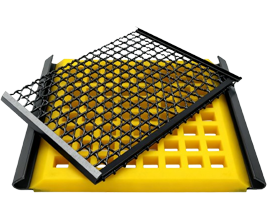
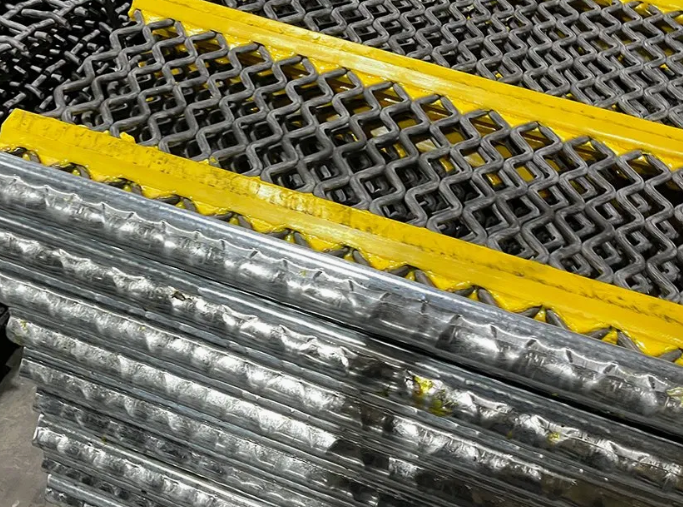
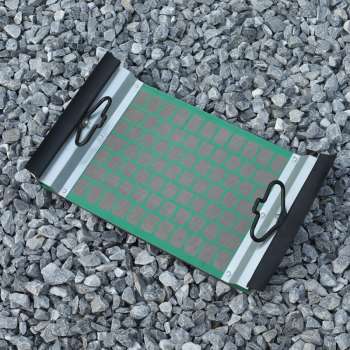
Elastic Modular Polyurethane Self‑Cleaning Panels
The first widely used self‑cleaning screens type for this application uses
independent small polyurethane elastic modules mounted on a rigid steel support
frame, where each individual module flexes independently under high‑frequency
vibration to shake loose any sticky lithium ore particles that would otherwise
get stuck in the apertures. This design eliminates the rigid dead spots found on
full rigid screen decks, drastically reducing aperture clogging rates by more
than 80% compared to standard metal mesh panels, and it also resists the
abrasive wear of hard spodumene particles far better than generic rubber
screens.
Bouncing Ball Anti‑Clogging Self‑Cleaning Decks
The second high‑performance self‑cleaning screens type features a layered
deck structure with a grid of free‑moving food‑grade bouncing balls installed in
the space between the top screening mesh and the bottom support plate, which
continuously strike the back of the mesh during operation to dislodge sticky
fine particles trapped inside the openings. This design is especially ideal for
fine sizing workflows that process -6mm sticky lithium ore feed, as it keeps
effective open area consistently high across long continuous production cycles
without requiring any manual deck cleaning.
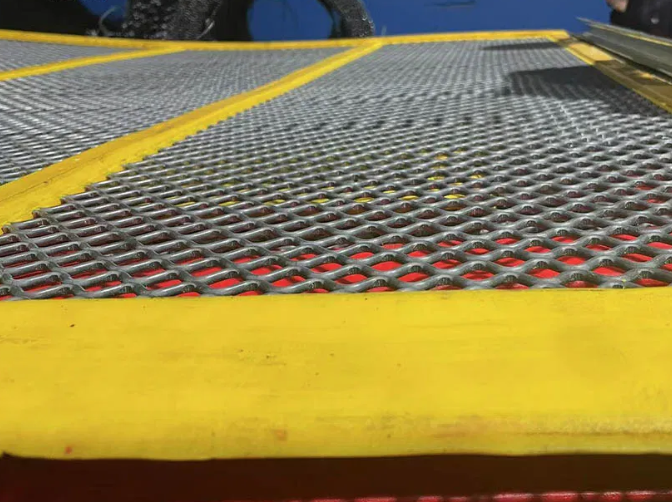
Flip‑Flow Self‑Cleaning Screen Panels
The third practical self‑cleaning screens type is the high‑elasticity
flip‑flow screen panel, which stretches and deforms repeatedly at a specially
tuned high frequency far higher than standard screening decks, creating a
dynamic stretching motion on the mesh surface that breaks the surface tension of
sticky wet ore particles and stops them from adhering to the panel surface
entirely. This type works perfectly for extremely high‑moisture sticky lithium
ore that even other self‑cleaning designs struggle to process, delivering stable
classification performance even when feed moisture content hits 12% or
higher.
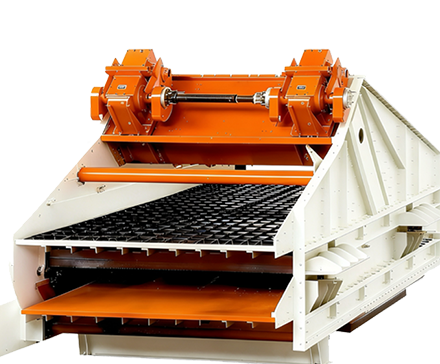
Selecting the right type of self‑cleaning screens matched to your exact
sticky lithium ore moisture content and particle size distribution will help you
eliminate almost all manual screen cleaning work, boost overall beneficiation
plant throughput, and keep classification accuracy consistently stable across
long production cycles.


Leave A Reply
By using form u agree with the message sorage, you can contact us directly now