For mineral processing, quarry and aggregate operations that constantly deal with heavy abrasive feed materials, selecting the right polyurethane material density is one of the most impactful, yet often overlooked factors that directly determines the actual service life of their Polyurethane Screen Plates. Many teams simply assume that all polyurethane screen panels offer the same wear performance, only to find that their new screens wear out far faster than expected after a few weeks of heavy production, because the supplier used a low‑density, low‑cost polyurethane formulation that cannot withstand the site’s specific working conditions. Understanding how different material densities affect wear resistance helps operations pick the exact right formulation for their unique feed characteristics, drastically extending screen service life and cutting down frequent screen replacement costs.
Low‑Density Polyurethane Formulation Performance
Low‑density polyurethane, which usually falls in the 1.0 to 1.1 g/cm³range, is a soft, flexible material that delivers excellent noise reduction and anti‑clogging performance for Polyurethane Screen Plates, making it a great fit for light‑duty screening applications that process fine, low‑abrasion materials like dry sand or fine gravel. This softer formulation cannot handle continuous high‑impact loads or sharp, highly abrasive mineral particles, however, as its lower material density leaves more tiny internal voids inside the structure that allow abrasive particles to dig into the surface quickly, leading to rapid surface erosion and far shorter service life for Polyurethane Screen Plates that operate in heavy mining conditions.
Medium and High‑Density Polyurethane Performance Advantages
Medium‑density polyurethane, in the 1.1 to 1.2 g/cm³ range, strikes a balanced sweet spot for most general industrial screening applications, delivering solid wear resistance, good impact tolerance and flexible performance that works well for most aggregate and medium‑abrasion mineral processing operations. High‑density polyurethane formulations above 1.2 g/cm³, by contrast, create a nearly void‑free, extremely tough material structure for Polyurethane Screen Plates that resists cutting and erosion from sharp, highly abrasive ore particles far better than lower density alternatives, making it the top choice for sites processing hard rock, iron ore or other extremely abrasive feed materials that demand maximum screen service life.
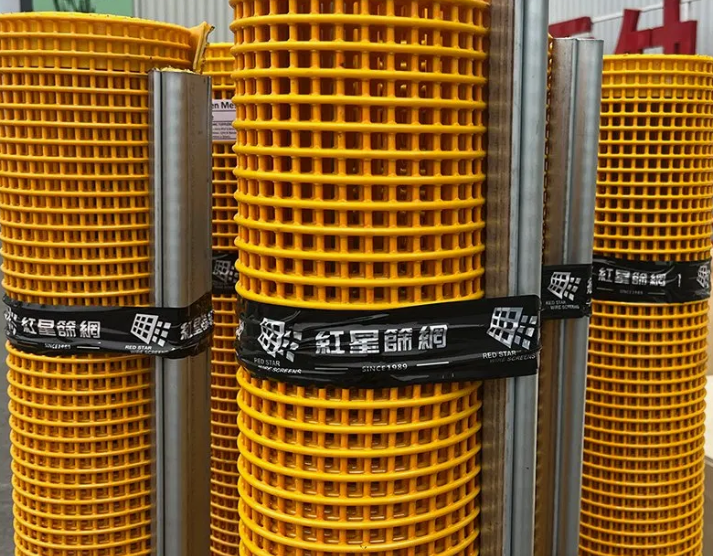
Choosing the right polyurethane material density for your specific working conditions is one of the simplest, most cost‑effective ways to maximize the wear resistance and total service life of your Polyurethane Screen Plates, helping you cut down spare parts consumption and reduce unplanned downtime caused by frequent screen replacements. If you need a customized material density recommendation tailored to your exact feed material, impact load and operating environment, our technical team can provide you with a targeted formulation solution that delivers the best possible wear performance for your site.


Leave A Reply
By using form u agree with the message sorage, you can contact us directly now