 Screen Mesh">
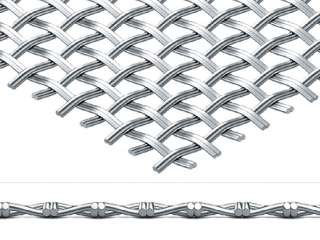
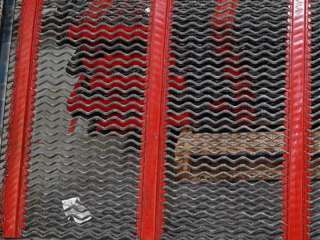
Made from pre-bent wire, this mesh features anuneven surface that imparts rotational force to thematerial along the mesh surface, thereby increas-ing its chances of passing through
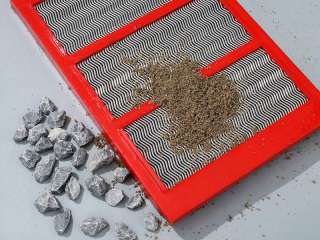 Screens in the Fine-particle Classification and Anti-caking of Quartz Sand">
Self-cleaning Screens were designed for exactly this mess Their application in anti-caking roles goes beyond just staying open; it s about keeping gradation sharp and throughput honest over long shifts
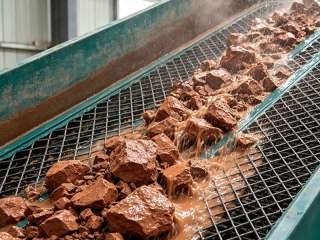 Screen Structure for Bauxite Washing Processes">
A conventional Screen clogs within hours and turns your washing circuit into a bottleneck That s why the design of an anti-clogging self-cleaning Screen structure matters so much
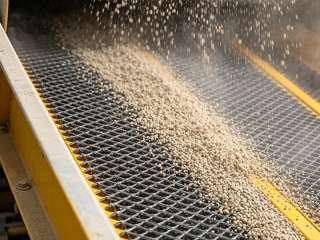 Screens Used in Screening Fine-Grained Materials">
Apertures clog, material cakes, and throughput drops to a crawl Self-cleaning Screens were built to fight that, but the aperture shape and size you choose make or break the whole system
 Screens for Screening high-dust limestone materials">
Self-cleaning Screens with proper anti-blinding design tackle this head-on — but only when the engineering is right Cheap retrofits don t cut it; you need a system built around the material s actual behavior
 Screens in Coal Preparatioin">
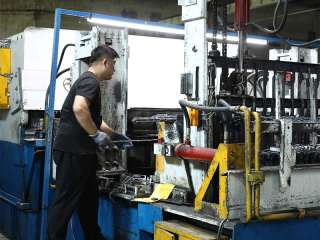
Coal preparation plants are brutal environments for any Screen surface Slurry with hard quartz particles, acidic runoff, and nonstop vibration — it s a triple threat that chews through ordinary woven metal Screens fast
 Screens Used in Underground Mining">
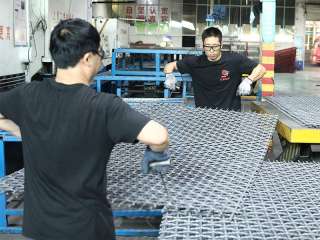
Metal woven Screens into that chaos without compromising performance or creating maintenance headaches is its own skill The real challenge isn t just picking a Screen; it s making it fit
 Screen">
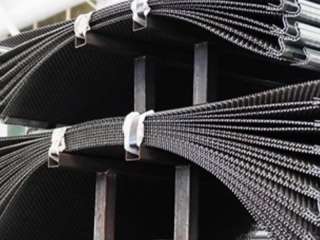
Shipping woven metal wire Screen across the ocean sounds simple until your cargo arrives looking like a chemistry experiment gone wrong Salt air, humidity, and weeks inside a container , that s a recipe for rust if you skip the basics
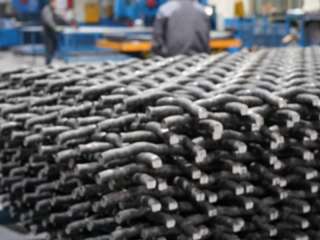 Screen: From Raw Wire to Finished Screen">
Most people grab a roll of woven metal mesh and never think twice about what went into it But behind every panel sitting on a vibrating Screen is a production process that s more precise than you d guess
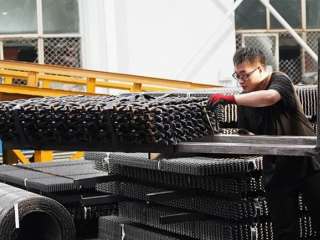 Screens for Tin Ore Processing Plants">
Woven metal Screens in tin ore processing don t have to be a money pit—they just need honest specs matched to your actual feed
