Packaging Standards and Anti-Rust/Moisture Measures for Exporting of Woven Wire Screen
Shipping woven metal wire screen across the ocean sounds simple until your cargo arrives looking like a chemistry experiment gone wrong. Salt air, humidity, and weeks inside a container , that's a recipe for rust if you skip the basics. Getting packaging standards and anti-rust moisture-proof measures right isn't optional; it's the difference between a happy customer and a claim you don't want. Here's what actually works in practice.
What the Major Ports Actually Expect
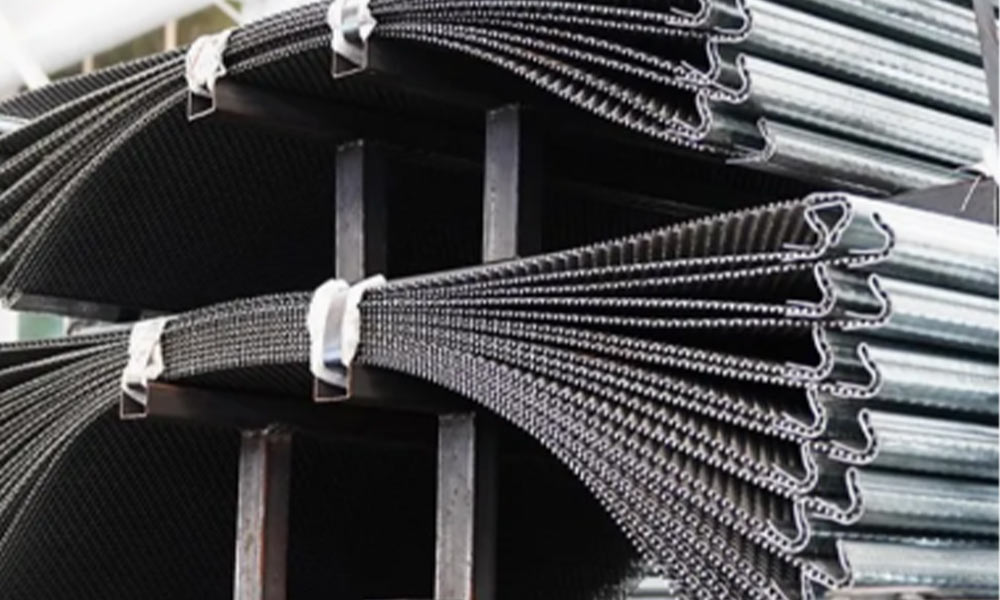
Most sea export contracts reference ISPM 15 for wooden packaging and IMDG codes for hazardous coatings. For woven metal wire screen, the real standard is ISO 6780 for flat product wrapping plus the carrier's own moisture control rules. Roll it on a wooden or plywood spool, which never naked on the deck. Use heat-shrink film or VCI paper over the mesh itself, then wrap the spool in polyethylene. Ports like Singapore and Rotterdam will flag unprotected metal screens in a heartbeat.
The VCI Trick Nobody Talks About Enough
Volatile corrosion inhibitor wraps are cheap and absurdly effective. You lay VCI paper between layers of woven metal wire screen, seal the whole bundle, and the chemical vapor slowly coats every wire surface. It fights rust without oiling the mesh, which matters because oily screens mess up your buyer's downstream process. Pair VCI with desiccant bags inside the outer crate and you've got a double shield against moisture-proof failure.
Crate It Right or Lose It in Transit
Plywood crates with ventilation holes prevent condensation buildup. Stuff the inside with foam or cardboard spacers so wire woven panels don't shift and scratch each other. Label every crate with "keep dry" and a humidity indicator card, that little blue dot turns pink if moisture creeps in, and it saves arguments later.
Mechanical Protection: Strapping, Edge Guards and Stopping the Roll From Walking
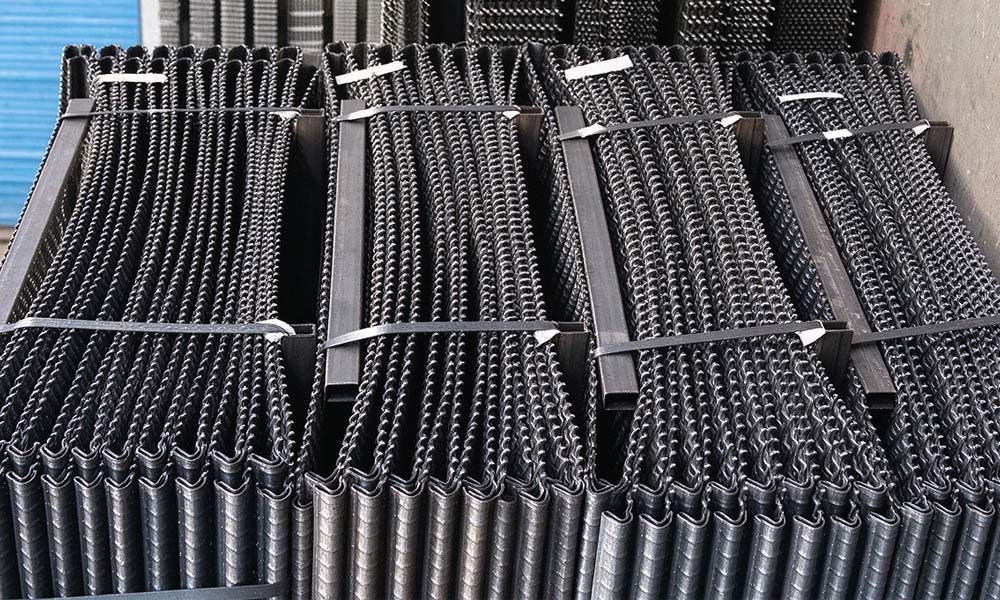
Rust gets the headlines, but deformation kills more screens silently. A heavy Woven Wire Mesh roll that shifts in the container will bruise its own edge, scar the neighbouring panel, and arrive with a hook strip that no tensioning rail will accept. Export packing uses PET or steel strapping depending on weight and corrosion risk, edge protectors on panel corners, dunnage blocks to keep rolls off the container floor, and airbags or wedges to kill movement during heavy-weather rolling. The mesh should not touch the container wall, should not rest in standing water, and should not carry another crate's weight on its crown. A Woven Wire Mesh panel with a 2 mm flat-top crimp does not forgive a forklift tine through the middle — mechanical protection is what keeps a precision screen from becoming a very expensive doormat.
Labelling, Batch Traceability and the Unsexy Paperwork That Saves Claims
A clean mesh in a mystery crate is still a problem. Every roll or case should carry material grade, mesh count, wire diameter, aperture, roll number, batch or heat number, net/gross weight, destination and handling marks such as "KEEP DRY" or "DO NOT STACK." A Woven Wire Mesh buyer troubleshooting a blinding issue six weeks later needs to trace the panel back to the same loom setting and passivation bath, and that traceability lives on the label and the packing list, not in someone's memory. Mill test certificate, commercial invoice, packing list, certificate of origin and, where relevant, third-party inspection reports should travel with the shipment. Exporters who photograph pack-open conditions and container loading also protect both sides, because "it arrived rusty" becomes either a proven packaging failure or a proven handling abuse — and either way the argument ends faster.
Route Risk: Tropical, Coastal and Long-Transit Voyages Need Heavier Specs
Not every sea route is equal. A short coastwise trip is not the same animal as Qingdao to Santos, Shanghai to Rotterdam, or Guangzhou to Lagos with a transshipment in Singapore. High-humidity lanes — Southeast Asia, West Africa, the Gulf — deserve heavier desiccant load, double moisture film, VCI on every layer and maybe a foil-laminate barrier for fine stainless filter cloth. A Woven Wire Mesh going to a desert mine still crosses humid ports, so "destination is dry" is not an excuse for weak export packing. Voyage length sets the spec: under 10 days you can be lean, 25–40 days you need real VCI plus desiccant, and 45+ days with multiple port handlings you treat the package like precision instrumentation, because fine mesh literally is.
Destination Storage: The Screen Can Still Rust After It Arrives
Factory packaging does not end at discharge. Buyers who rip the VCI wrap off on a rainy quay and leave the Woven Wire Mesh on the ground under a blue tarp have defeated the whole system. Good practice is to keep the barrier intact until installation, store rolls on pallets above the floor, keep carbon-steel mesh away from stainless to avoid iron cross-contamination, and rinse coastal-site stainless with fresh water if the wrap is compromised. A Woven Wire Mesh that travelled clean and then rusts in two weeks of "temporary" yard storage is a packaging success and a handling failure — and the supplier should not wear that claim. Export packaging is really a handover protocol: the factory controls the ocean, the buyer controls the yard, and the line between them is the unopened, dry, labelled package.
Exporting woven metal wire screen doesn't have to be a gamble if you follow solid packaging standards and real anti-rust moisture-proof steps. If you're finalizing a shipment or building a new export line, get in touch—we'll make sure your screens arrive clean, dry, and ready to sell. Contact our team for export packaging solutions of woven metal wire screen.