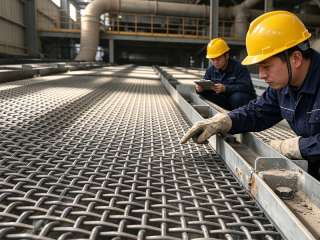
Preventive measures for Screen Pegging Damage helps you eliminate this issue almost entirely, keeping your screening line running at full efficiency for far longer
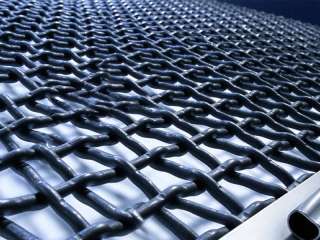
A practical, data-backed Mineral Screen Replace Standard helps you strike the perfect balance between avoiding unexpected failures and maximizing every screen panel’s full usable service life
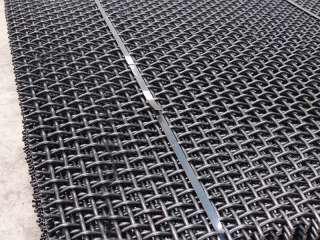
A standardized, easy-to-follow workflow for Screen Abrasion Checking helps you spot wear issues early, extend screen panel service life, and avoid all the unnecessary losses that come from sudden screen failure
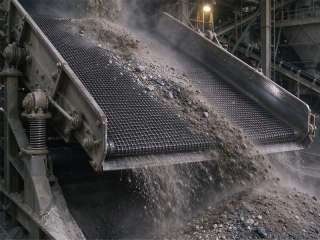
A full set of targeted, practical optimization measures for Screening Energy Consumption helps you slash unnecessary power waste while keeping your screening throughput and classification accuracy at the required level
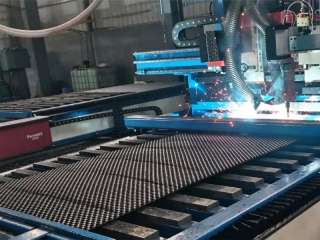
The rapidly maturing Screen Monitoring Sensor Technology solves this long-standing industry pain point, opening up a new era of far more predictive, low-waste screen deck maintenance
The purpose-built, field-validated system built around self-cleaning screens for Zinc Ore solves both anti-adhesion and wear-resistance challenges at the same time, no constant maintenance work required
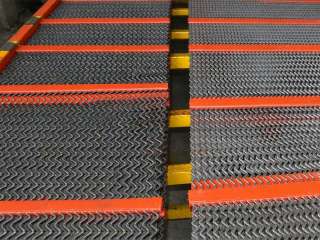
Purpose-built anti-adhesion self-cleaning screens tailored for rare earth ore separation solve these persistent pain points completely, maintaining consistent high-efficiency classification even when handling heavily clay-contaminated sticky feed
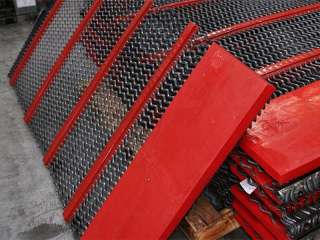
Many operations tried generic standard self-cleaning units found these designs still cannot handle the combination of high surface moisture and fine near-size coal particles, leading to unstable dewatering performance and frequent unplanned downtime
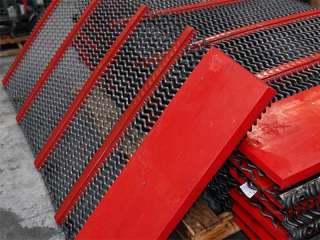
A full life-cycle cost calculation almost always shows that high-quality, durable Self-Cleaning Screens deliver 40–60% lower total long-term operating costs than cheaper generic screening media
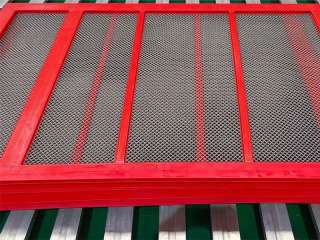
For manganese ore beneficiation operations that process high-hardness, fine-grained, often high-moisture manganese feed, even standard self-cleaning screens can face gradual aperture clogging that drags down screening efficiency by 20%
