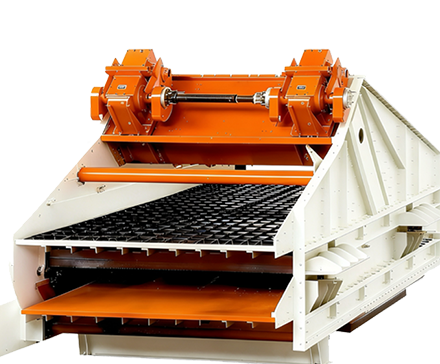
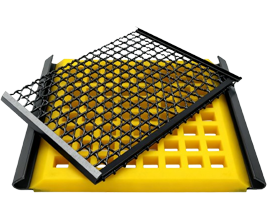
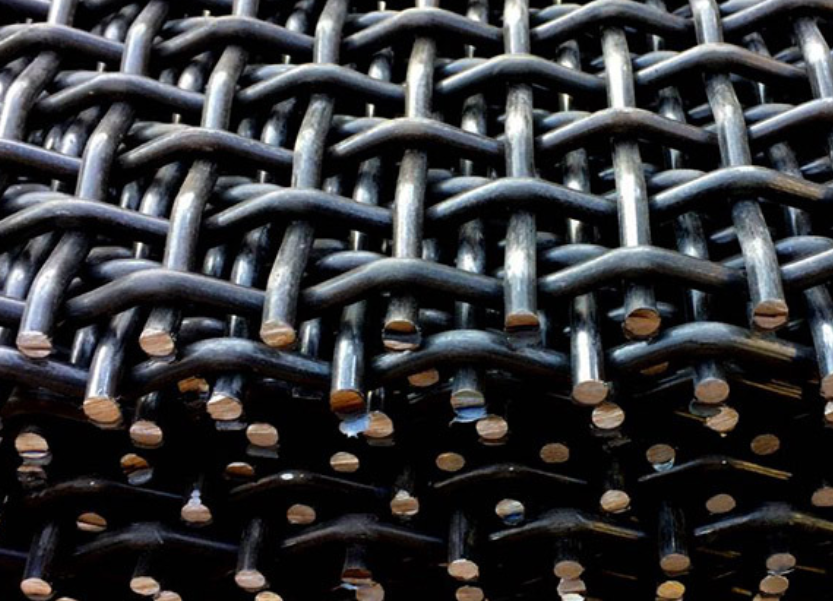
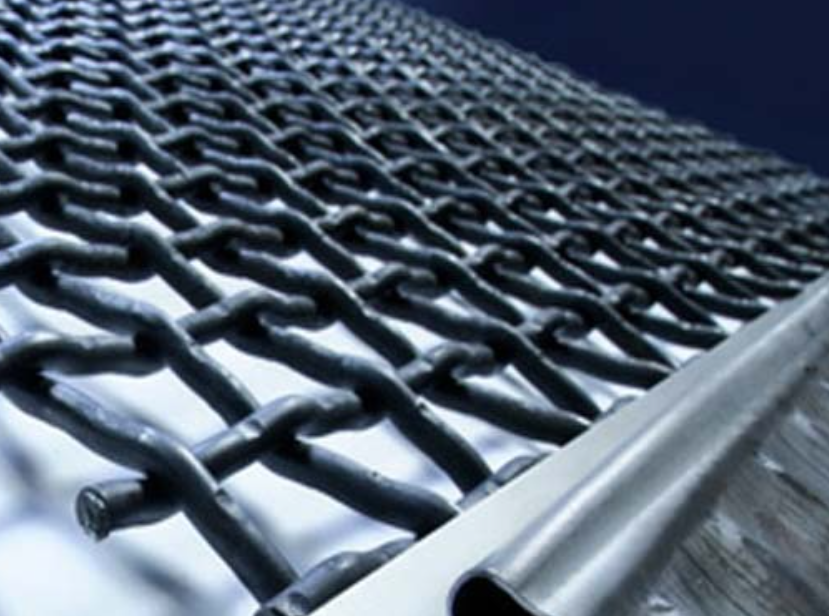
For mineral processing sites that handle hard, irregularly shaped ore particles every day, screen pegging damage–where sharp, angular particles get wedged tightly into screen mesh openings –is one of the most common hidden issues that ruins screening efficiency, causes premature panel tear and forces unplanned mid-shift shutdowns. Many on-site maintenance teams shared that they used to only notice pegging after it had already blocked 30% or more of the screen surface, leading to weeks of reduced classification output and unnecessary extra power waste. A set of practical, easy-to-implement preventive measures for Screen Pegging Damage helps you eliminate this issue almost entirely, keeping your screening line running at full efficiency for far longer.
Pre-Feed Particle Size Pre-Screening Control
The first foundational preventive step installs a coarse grizzly screen at the very start of your material feeding system to remove all oversize sharp, angular ore chunks larger than 80% of your target screen mesh opening size before the material even reaches the fine screening deck. This simple pre-processing step stops the vast majority of large particles that would otherwise get wedged into the mesh from ever touching your main screen panels, drastically cutting the occurrence rate of Screen Pegging Damage at the source without requiring any major modification to your existing screening equipment.
Adjustable Vibration Parameter Dynamic Tuning
The second highly effective operational adjustment fine-tunes the screen’s vibration stroke, frequency and deck inclination in real time according to the hardness and shape of the incoming ore, instead of locking all parameters at a fixed static setting. For example, you can temporarily increase the vibration stroke by 10% and tilt the deck 2 degrees steeper when processing extra sharp, angular hard rock ore, which creates a stronger upward throwing force that stops particles from getting stuck in the mesh gaps, and clears any partially wedged particles automatically before they can cause permanent Screen Pegging Damage.
Regular Non-Destructive Mesh Cleaning Maintenance
The third low-effort long-term preventive practice arranges a 10-minute high-pressure air blowout and soft rubber roller cleaning session for the full screen surface during every weekly planned shutdown, to clear any small partially wedged particles that have not yet fully locked into the mesh openings. This tiny regular maintenance habit removes hidden pegging risks before they develop into permanent damage, extends the average service life of your screen panels by 20% to 25%, and ensures Screen Pegging Damage never accumulates to a level that ruins your screening efficiency.
Following these layered preventive measures will drastically reduce screen pegging related issues, keep your classification accuracy stable, and cut your annual screen spare part cost significantly.


Leave A Reply
By using form u agree with the message sorage, you can contact us directly now