For mineral processing, aggregate and coal preparation screening workshops that run 24/7 high-capacity vibrating screens, unnecessary wasted power from mismatched equipment, poorly tuned operating parameters and unoptimized material feeding often pushes monthly electricity bills far higher than they need to be, eating directly into the site’s overall profit margin. Many plant operation teams shared that they ran their screens at full vibration power all day long for years, never realizing they could cut total power use by 20% or more without hurting screening efficiency. A full set of targeted, practical optimization measures for Screening Energy Consumption helps you slash unnecessary power waste while keeping your screening throughput and classification accuracy at the required level.
High-Efficiency Equipment Selection at Initial Procurement Stage
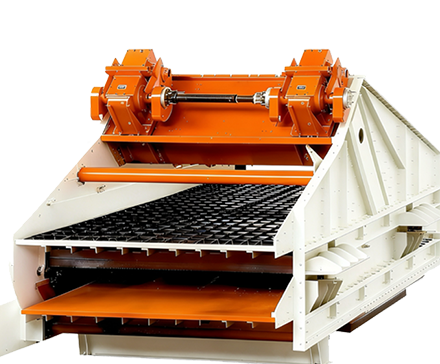
The first foundational optimization step prioritizes new generation vibrating screens with high-torque, low-loss synchronous vibration motors and optimized dynamic balance structure, instead of old outdated models that waste huge amounts of power generating unnecessary vibration force that does not act on the material screening process. This single upgrade can immediately cut the baseline no-load power consumption of your screening circuit by 15% to 20%, laying a solid low-energy foundation for all subsequent operational adjustments, making Screening Energy Consumption far lower right from the start of your equipment’s service life.
Material Feed Matching and Vibration Parameter Fine Tuning
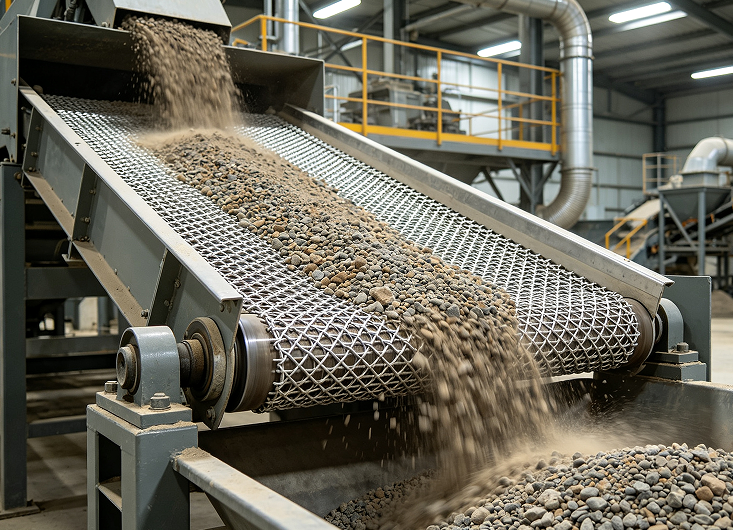
The second core operational optimization practice adjusts the screen’s vibration frequency, stroke and deck inclination in real time according to the actual feed volume, material particle size distribution and moisture content, instead of locking all parameters at a fixed maximum setting no matter what material is being processed. For example, you can lower vibration intensity appropriately when processing small, dry, easy-to-sort materials, and only ramp up power when handling high-moisture sticky materials that are hard to stratify, which eliminates huge amounts of unnecessary idle power waste and makes Screening Energy Consumption perfectly match the actual processing demand at every moment.
Regular No-Load Operation Elimination and Routine Equipment Maintenance
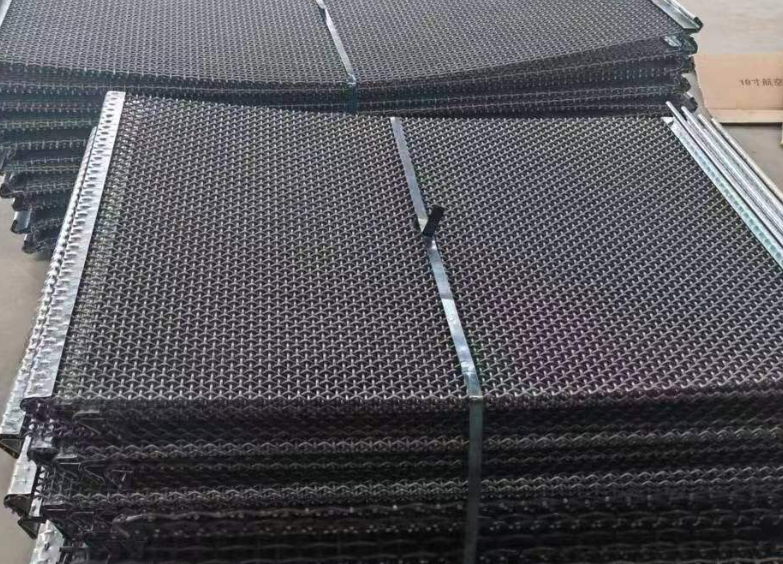
The third long-term low-cost optimization measure installs automatic feed interlock sensors that shut down the screen’s vibration drive immediately when no material is fed onto the deck for more than 2 minutes, and schedules regular monthly maintenance to clear blocked screen panels, re-calibrate motor synchronization and replenish lubricant for vibration bearings to avoid extra power loss caused by increased mechanical friction. These tiny, low-effort daily management tweaks add up to another 10% reduction in total power use over time, making Screening Energy Consumption stay at the optimal low level consistently across years of continuous operation.
These layered optimization measures covering equipment selection, daily operation and routine maintenance will drastically cut your screening workshop’s total electricity cost, without any drop in your processing capacity or screening classification accuracy.


Leave A Reply
By using form u agree with the message sorage, you can contact us directly now