For mineral processing, aggregate and coal preparation operations, the traditional manual screen plate wear checks during scheduled shutdowns always create two costly problems: teams either replace panels far earlier than necessary to avoid risk, wasting large amounts of remaining usable service life, or miss localized severe wear that causes sudden mid-shift panel failure, triggering unplanned downtime that cuts daily output heavily. Many maintenance teams shared that they struggled for years to track wear accurately across dozens of panels on multiple large decks, with no safe way to get real-time data without climbing onto the running equipment. The rapidly maturing Screen Monitoring Sensor Technology solves this long-standing industry pain point, opening up a new era of far more predictive, low-waste screen deck maintenance.
Real-Time Non-Intrusive Wear Data Collection
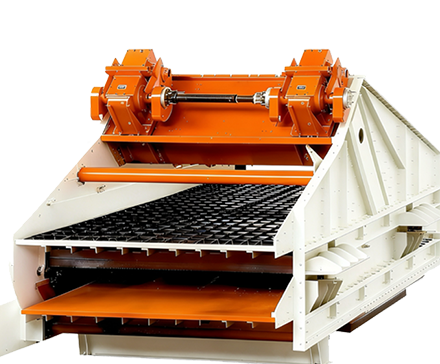
The core practical advantage of this technology is that sensors mounted on the underside of each screen deck run continuously during full operation, sending accurate real-time thickness readings for every monitored panel directly to the site’s central control system. Teams no longer need to wait for a shutdown to climb onto the deck and manually measure wear with calipers, and can spot abnormal fast localized wear caused by uneven material flow hours before it would be visible to a human inspector, making Screen Monitoring Sensor Technology a massive daily workflow upgrade for maintenance crews.
Predictive Optimal Replacement Time Calculation
The second major operational benefit comes when continuous historical wear data is fed into a simple analysis algorithm, which automatically calculates the exact remaining service life for every panel and sends an alert only when it reaches the pre-set safe wear threshold. This eliminates the common industry practice of replacing entire batches of panels on a fixed schedule, letting teams swap out only the units that actually need replacement, cutting total annual screen media cost by 20% to 30% while completely erasing unexpected mid-shift panel failures, making Screen Monitoring Sensor Technology extremely cost-effective for even medium-sized processing sites.
Full Plant Automation System Integration
The third key development direction is that this technology can be seamlessly connected to existing site SCADA or maintenance management systems, linking wear data directly to feed rate, vibration parameters and processing volume to help teams optimize operating settings and slow down overall wear speed. This turns a simple wear tracking tool into a core part of the processing line’s efficiency optimization workflow, making Screen Monitoring Sensor Technology a standard expected feature for all new high-capacity screening circuits.
This new generation of online wear monitoring technology will completely reshape screen deck maintenance workflows, cutting unnecessary screen media costs and eliminating huge losses from unplanned downtime. If you share your site’s screen deck layout and typical operating parameters, our technical team can put together a preliminary installation layout and expected cost saving estimate tailored exactly to your operation.


Leave A Reply
By using form u agree with the message sorage, you can contact us directly now