Mineral Processing Screen Replace Standard: When to Replace Mining Screens
For 24/7 mineral processing operations, delaying screen replacement until a full panel tears mid-shift often triggers hours of unplanned downtime, massive lost production output and extra costs for emergency rush shipping of spare parts, while replacing perfectly usable panels too early wastes huge amounts of spare part budget and maintenance window time. Many mine maintenance teams shared that they struggled for years to find a clear, balanced rule to judge the exact right time to swap out old screens, instead of following a rigid fixed replacement schedule that ignores actual wear conditions. A practical, data-backed Mineral Screen Replace Standard helps you strike the perfect balance between avoiding unexpected failures and maximizing every screen panel’s full usable service life.
30% Remaining Thickness Hard Criterion
The first non-negotiable rule in the standard states that you must replace any screen panel when its measured remaining surface thickness drops to 30% of the original new panel thickness, no matter how well the screening performance still seems to hold. At this wear level, the panel’s structural strength has dropped to the minimum safe threshold, and it will tear suddenly under heavy high-frequency vibration without any obvious early warning, so this clear hard line in your Mineral Screen Replace Standard completely eliminates the risk of sudden catastrophic screen failure during normal operation.
Wire Mesh: Aperture Drift and Broken Wires
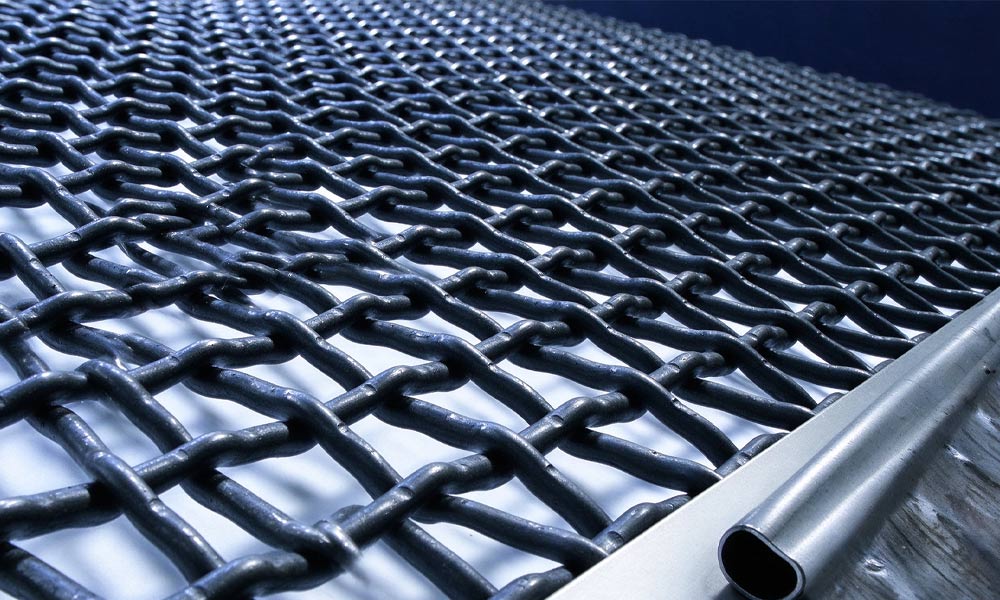
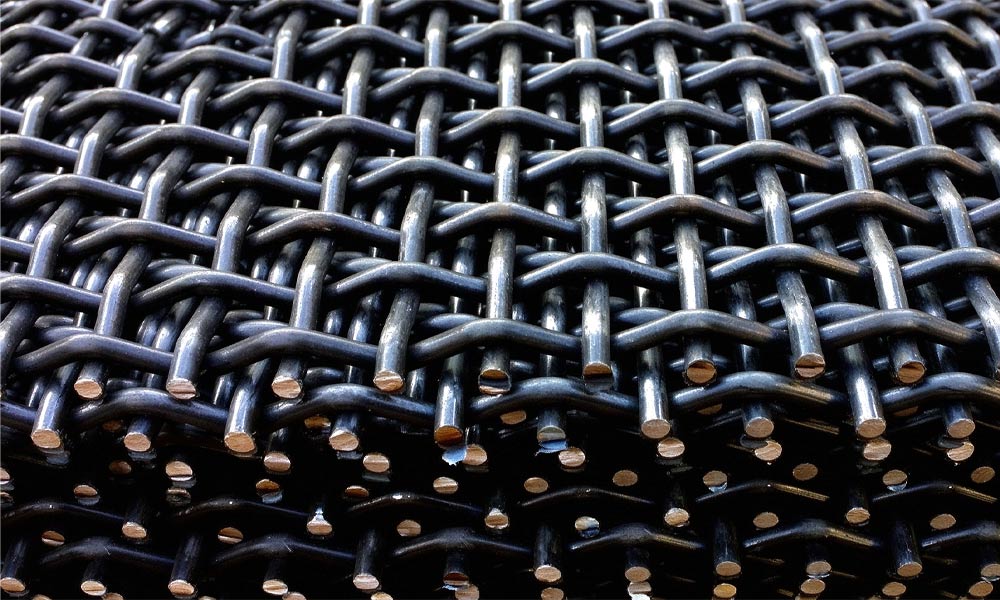
Woven wire still runs half the mines on the planet because it is cheap, open, and accurate when new, but it also lies politely as it wears. The first trigger in any serious Mineral Screen Replace Standard for wire media is aperture growth: when the effective opening drifts beyond roughly ±10% of nominal, the cut point has already moved and the "undersize in the oversize pile" complaints are not a lab error, they are worn mesh doing exactly what stretched mesh does. The second trigger is wire diameter loss at the wear crown—once the working wire has thinned 20–25% from its original, fatigue breakage stops being a possibility and starts being a schedule. A single broken wire is often not the emergency; a row of broken wires, a shifted weave, and slack panels mean the cloth has lost tension and is now hammering the support bar every stroke. Feed-end center wear, edge cracks at the hook, and shiny abraded hooks from loose tension are all early confessions that the mesh is finished even if a flashlight still shows holes. The standard should read like this: log installation date, measure aperture and wire diameter weekly, and pull the cloth the moment breakage, deformation, or tolerance breach shows—not when the pile gets contaminated enough for the metallurgist to start shouting.
PU and Rubber: Ridge Loss, Delamination, Side-Seal Leak
Polyurethane and rubber panels forgive near-size material far better than steel, but they fail in slower, sneakier ways, which is why the Mineral Screen Replace Standard for elastomeric media has to be about geometry and stiffness, not just "is it torn yet." Ridge or crown height is the number that matters: once the working crest has lost its profile, the panel may still be physically attached to the deck and yet no longer stratify, dewater, or hold cut size. Many operations trigger replacement at 70–80% of original thickness lost, or when PU wear depth exceeds about 30% of original thickness, because past that point the panel flexes under load, the support bars start taking impact they were never meant to take, and micro-cracks open at the steel insert or side lug. Delamination is non-negotiable: if the polyurethane is separating from its backing, reinforcement, or edge insert, the panel comes out now, not next Tuesday. Rubber gets judged by elastic memory—rubber that stays deformed after the bed lifts has lost recovery and will blind or channel material. Side seals and edge lips deserve their own line in the standard: a PU panel with perfect slots but a mushed edge is leaking saleable fines down the side plate, and that leak is often more expensive than the panel itself. A Mineral Screen Replace Standard worth the paper it is printed on treats the edge system as part of the screen, not as trim.
Efficiency Drop Beats Calendar Date
The smartest replacement trigger is not thickness and not breakage—it is process performance. A mine running a Mineral Screen Replace Standard on outcomes watches undersize recovery, oversize contamination, deck load, moisture of the underflow, and recirculating load back to the crusher. When undersize yield drops 10–15% at the same feed rate and slurry condition, the media has already failed the business even if it still looks servable. This catches the failures thickness cannot see: slight slot elongation, local crown wear, side seal bypass, blinding that survives washing, pegging that no longer clears after stroke adjustment. The standard should force a conversation instead of an automatic swap—did the crusher start making near-size? Did pH or reagent dosage move? Did the feed box start dumping everything on the left rail? Replacing the panel without answering those questions just installs fresh media into the same broken system. The best crews pair the efficiency trigger with wear logging: after two or three changeouts they stop guessing and know that "feed-end PU on the zinc scalper pulls at 11,500 t or 35% ridge loss," which is the moment screening maintenance becomes planning instead of firefighting.
15% Classification Efficiency Drop Performance Criterion
The second practical judgment rule requires you to arrange immediate screen replacement once your post-screening oversize material yield rises by 15% or more compared to the normal baseline value for brand new panels, even if the measured remaining thickness is still above the 30% threshold. This rule catches hidden partial abrasion that creates tiny unnoticeable holes or uneven mesh deformation that ruins classification accuracy long before the panel is structurally at risk of breaking, making your Mineral Screen Replace Standard also guarantee consistent product quality instead of only focusing on structural safety.
Severe Localized Damage Exception Criterion
The third flexible supplementary rule states that you need to replace the affected panel immediately even if the overall average thickness and classification efficiency are still within normal range, if you spot any visible cracks, torn edges, or large localized worn spots larger than the palm of your hand on the screen surface. These localized damage spots will expand extremely fast under continuous heavy vibration, and can easily tear the whole panel apart in less than one full shift, so adding this exception clause to your Mineral Screen Replace Standard prevents small minor issues from turning into costly full failures.
Following this three-part clear replacement standard will drastically cut your unplanned downtime rate, extend the average service life of every screen panel you purchase, and keep your screening classification accuracy stable at the required level for far longer. Implement wear measurement and regular performance tracking to build a scientific maintenance schedule for your mineral screening system.