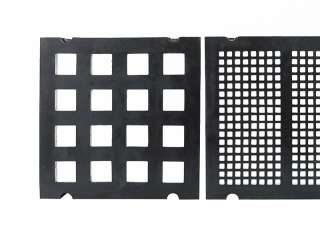
Traditional Steel panels just can’t shake off that sticky, moisture-laden material, That’s exactly why the anti-adhesion and self-cleaning design of modern rubber screen has become a game-changer for operations handling wet and sticky materials
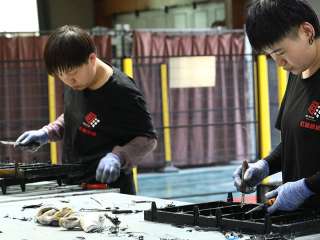
Bolt-fixed and pin-and-sleeve rubber screen Installation are the two most common systems on the market, but they work completely differently on different decks and for different operation sizes
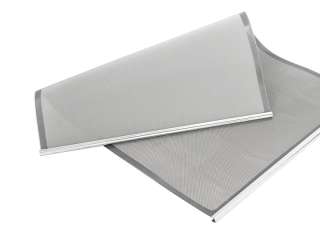
If you’re running a mine water treatment system, getting solid and liquid separated right is seriously important Out of all the options, wedge wire screens really stand out They handle harsh conditions well and offer precise filtration
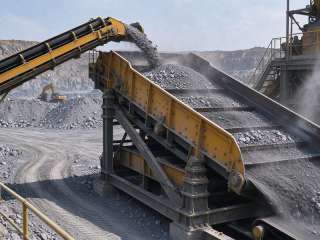
Picking the right woven metal screens isn’t just a box to tick—it makes a big difference in how well your aggregate screening line performs and how much you get out of it
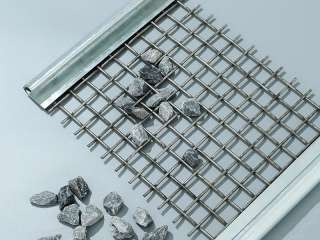
Choosing the right metal woven wire mesh isn’t just about checking off specs—it’s about making sure you’re set up for lasting performance and value
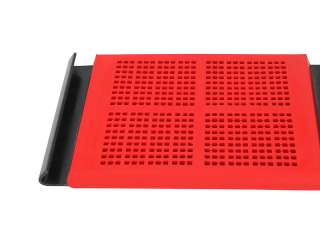
Understanding how the elongation of polyurethane materials affects the tear resistance of polyurethane screens helps in selecting screens suitable for specific operating conditions, maximizing the screen s value
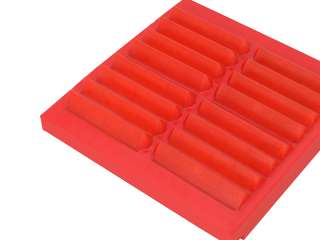
Specialized polyurethane desliming screens are engineered specifically for the harsh, high-abrasion conditions of mineral desliming workflows, improving the performance of every downstream flotation and leaching stage
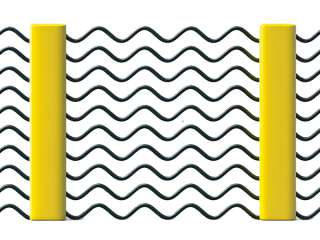
Its aperture features a continuous S‑shape (also referred to as S‑type anti‑clogging screen mesh)
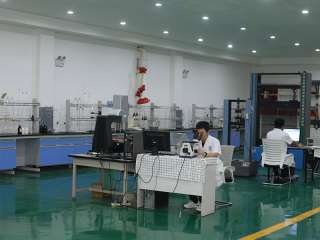
Properly deployed antistatic polyurethane screens eliminate 90% of hidden static spark risks in high-flammability dust zones while retaining all the wear and efficiency benefits of regular polyurethane mesh
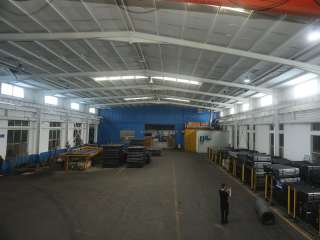
Properly engineered welded screens lock every intersection of high-tensile Steel wires in place, maintaining consistent slot sizing even when taking repeated direct hits from oversized feed material
