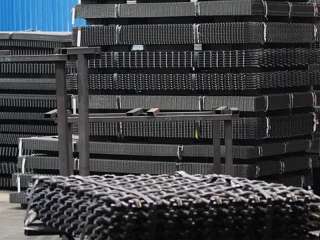
Woven metal wire mesh is commonly used for the wet screening of materials While the screening process itself may seem straightforward, paying attention to specific details when selecting the mesh is crucial for ensuring screening quality
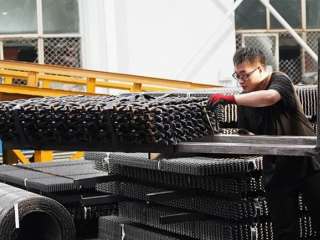
Woven metal screens in tin ore processing don t have to be a money pit—they just need honest specs matched to your actual feed
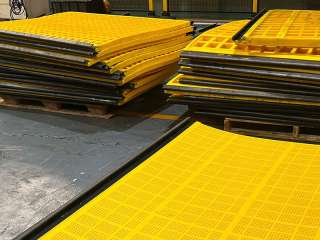
If your current screens keep gumming up with graphite fines, don t just blame the feed Blame the panel Anti-adhesion and anti-static polyurethane screen panels exist specifically for this headache
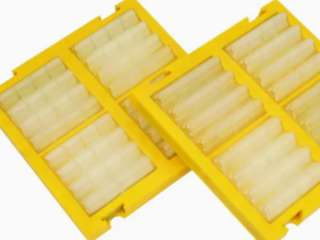
Sand washing operators love polyurethane screens — until they get the invoice These flexible panels deliver impressive dewatering performance, but the consumable costs add up quietly across a busy production line
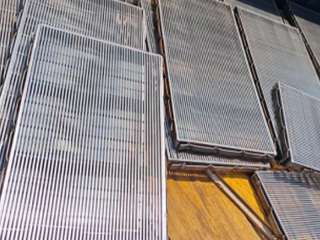
The right anti-clogging and wear-resistant wedge wire screen for bauxite washing is not a luxury — it s a cost-saver that keeps your plant running while competitors swap panels every few weeks
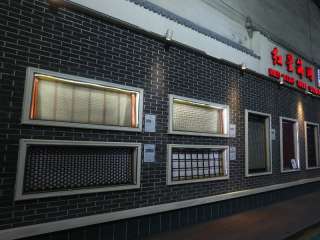
Coal slurry water treatment is messy, abrasive, and demands screens that won t quit mid-shift Wedge-wire screens have quietly become a favorite in fine filtration for this exact reason
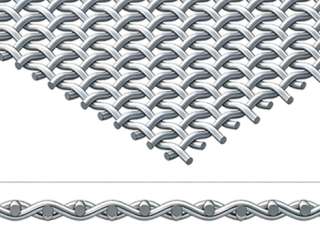
Metal woven screen mesh stands out in the sand and gravel processing and mining industry due to its efficient s
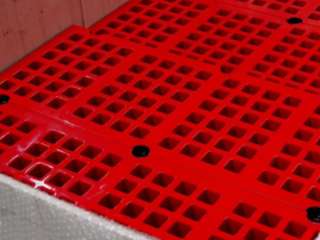
Stepping into a mineral processing workshop, one is immediately met with the deafening noise of material impacting the screens; metal screens, in particular, generate significantly more noise than polyurethane screen panels
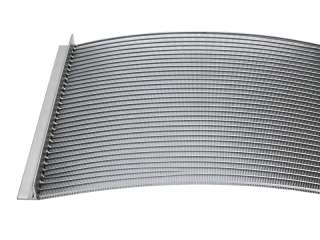
A basic replacement cycle prediction backed by simple weekly wear monitoring methods keeps your wedge wire screens performing right up to their planned end of life
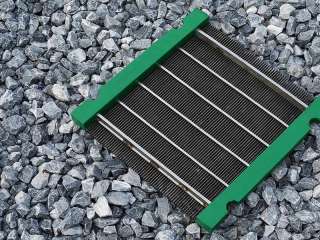
Choosing the right wedge wire screen and implementing effective wear-resistance strategies is the key to distinguishing a plant that runs efficiently and continuously from one trapped in an endless cycle of replacements
