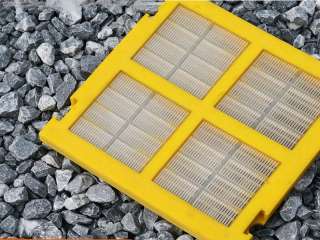
 screen Suitable for High-Purity Beneficiation of Quartz Sand">
For quartz sand high-purity beneficiation operations that require extremely strict classification accuracy and zero metal contamination of the final product, picking the right Polyurethane screen Type is one of the most critical step
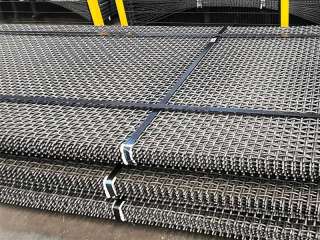 metal woven Mesh from a Factory and communicate the Lead Time for Prototyping">
Securing free samples and clearly understanding prototyping lead times are critical first steps in selecting the right woven metal screens for your application
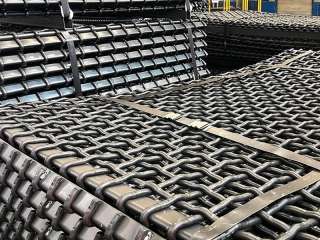 woven screens Used in High-Frequency Vibrating Equipment">
Selecting metal woven screens for high-frequency vibrating equipment requires finding the optimal balance between wire diameter and open area ratio
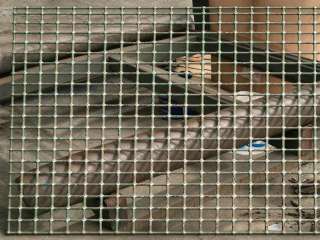 screens">
Implementing a specialized anti-clogging design for welded mining screens is therefore a critical operational necessity, not an optional upgrade, to ensure continuous production and lower operating costs
 screen Based on Ore Hardness">
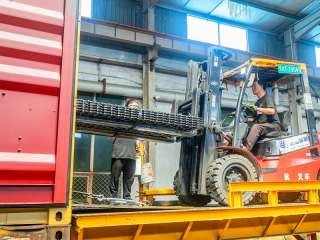
Choosing the right screen for mineral processing requires matching the equipment to the specific challenges of your ore s hardness Soft, clay-rich ores cause blinding and sticking, while hard, abrasive rocks lead to rapid wear
 woven metal screens in Coal Preparatioin">
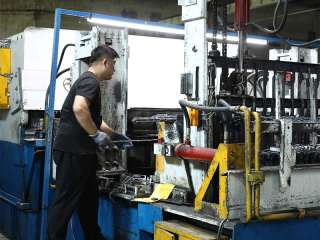
Coal preparation plants are brutal environments for any screen surface Slurry with hard quartz particles, acidic runoff, and nonstop vibration — it s a triple threat that chews through ordinary woven metal screens fast
 screen Mesh">
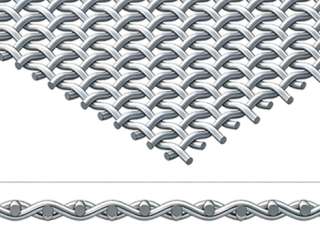
metal woven screen mesh stands out in the sand and gravel processing and mining industry due to its efficient s
 woven Wire Mesh: Wear on Support Bars and Improper Installation">
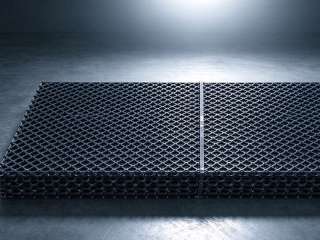
When using woven metal screens for material processing, premature failure is often attributed to the quality of screen material itself However, wear on support bars and improper installation methods are also significant contributors to this issue
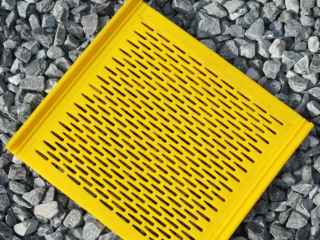 screen Panels">
If you’ve ever tried to screen wet, sticky fines at high tonnage, you know the pain of blinding screens and soggy product That’s where polyurethane flip-flow screen panels come in—but not all panels are created equal
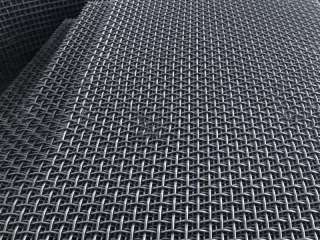 metal screens">
The same 65Mn metal screen may last three months for some users, but only one month for others This is likely due to the heat treatment process during screening The quenching and tempering processes directly determine the screen lifespan
