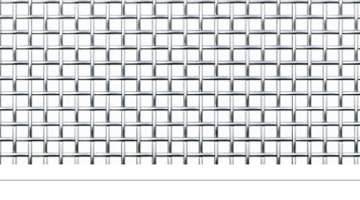
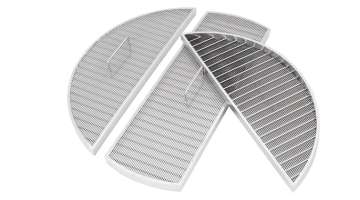
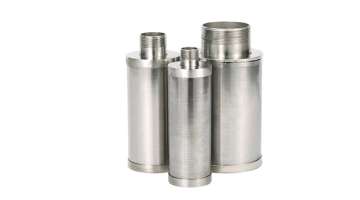
How to Request Free Samples of Metal Woven Mesh from a Factory and communicate the Lead Time for Prototyping
Securing free samples and clearly understanding prototyping lead times are critical first steps in selecting the right woven metal screens for your application. A well-prepared request not only increases your chances of receiving relevant samples but also establishes a professional foundation for future business. This process goes beyond simply asking for a “free sample”; it’s about providing the supplier with the precise information needed to evaluate your project and give you accurate, actionable feedback on both product suitability and timeline.
Crafting an Effective Sample Request
A successful sample request demonstrates that you are a serious buyer. Begin by clearly introducing your company and the specific application. Then, provide detailed technical specifications: the exact woven wire mesh count , wire diameter, material alloy, and desired sample dimensions. Explicitly state that you are requesting a complimentary sample for testing and evaluation purposes. Mentioning your potential volume or project scope can incentivize the supplier to prioritize your request. A professional, detailed inquiry separates you from casual inquiries and shows respect for the supplier’s time and resources.
Write the Sample RFQ Like a Mini Spec
The first rule is that a Metal Woven Mesh sample request should carry more information than the eventual bulk order, because the sample is where misunderstandings are still cheap. State the material grade exactly—304, 316L, 304L, 310S, low-carbon steel, galvanized wire, brass, phosphor bronze, duplex 2205—and never just say "stainless" or "iron wire," because those words mean five different things in five different provinces. Give the mesh count or aperture, wire diameter, weave type, roll or panel size, edge condition, surface finish, and the tolerance you care about most; if you need the aperture held to ±0.05 mm for filtration, say so, because a decorative mesh factory will happily weave you something that looks identical and screens terribly. Explain the end use in one sentence—"vibrating screen for copper ore," "architectural façade panel," "battery current collector," "food dryer belt," "laboratory sieve cloth"—because the same Metal Woven Mesh picture can hide a completely different crimp, wire temper, and cleanliness standard. Attach a drawing if you have one, even a hand sketch with dimensions, and ask specifically whether the sample will be loom-state, flattened, annealed, pickled, passivated, galvanized, or PVC-coated; that single line prevents the classic surprise where the prototype arrives shiny, soft, or sticky when your process needed it matte, hard, or dry.
Free Sample, Paid Freight, and the Honesty Problem
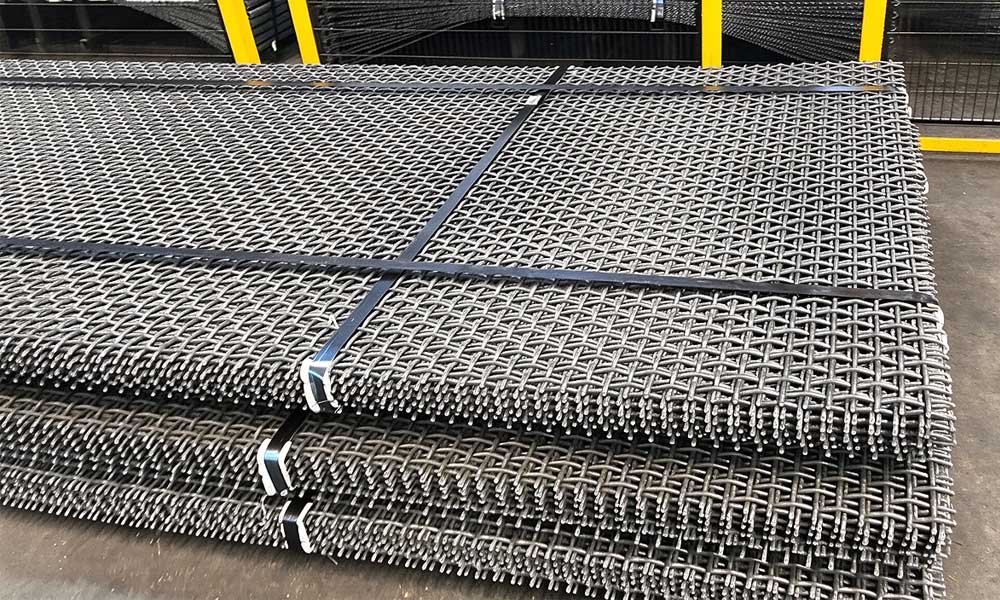
Most serious Metal Woven Mesh factories will cut a small sample for free if the item is standard, but "free" usually stops at the factory gate—freight, courier duties, and express documentation are yours, and pretending otherwise just makes the supplier quietly downgrade the sample to scrap wire. Say it plainly in the request: "Happy to pay DHL/FedEx freight, please quote sample free or sample + handling, and confirm if custom loom setup is chargeable." Custom prototypes are different from stock swatches: a non-standard Dutch weave, an exotic alloy, a calibrated sieve cloth, or a woven mesh with mixed wire diameters may require loom re-threading, wire procurement, or a small trial run, and a good factory will tell you the setup is billable or deductible from the future bulk order. The buyer who wants the truth asks three questions up front—"Is the sample from stock tooling, from a new loom setup, or from a hand-made prototype?"—because those three answers map to three completely different lead times. A Metal Woven Mesh sample from stock might ship in 2–4 working days; a re-threaded prototype often runs 7–15 working days; a new-alloy or special-width trial can run 20–35 working days before it even leaves the QA bench. Naming those buckets in your own email forces the factory out of the lazy "about one week" answer.
Prototyping Lead Time as a Milestone Chain
Prototyping lead time for Metal Woven Mesh should never be communicated as a single mystery number; it should be a short chain the buyer and factory both see. Day zero is RFQ clarification—does the factory understand the spec, or is somebody about to weave 20-mesh when you wanted 200-mesh. Then wire procurement, which can be same-day for common 304/316 wire or 10–15 days if the temper, alloy, or diameter is unusual. Then loom scheduling: a busy mill may slot a 2 m² prototype between rolls of architectural mesh, but if the loom has to be stripped and re-warped for your specification, add setup days. Weaving itself is often fast—hours to a couple of days for a sample—but surface treatment is where prototypes die: galvanizing queues, pickling-passivation tanks, annealing furnaces, and flattening rollers all have their own waiting lists. Cutting, edge trimming, deburring, photo documentation, aperture gauging, and packing add another shift or two.
Strategically Discussing Prototyping Lead Time
The lead time for custom woven metal screens prototypes depends on complexity and factory schedule. When inquiring, be specific about your prototype requirements. Ask direct questions: “What is the typical lead time for a prototype based on the specifications provided?” and “What factors could accelerate or delay this timeline?” Understand that lead time includes not just production but also engineering review, material sourcing, and setup. Expressing your own project timeline helps the supplier assess feasibility. A good practice is to request a formal quotation that includes the confirmed lead time, making it a committed part of your agreement.
Building the Relationship for Future Success
Think of the sample and lead time talks as the beginning of your partnership. When the samples arrive, put them through serious testing—real-life conditions if possible—and then share honest, helpful feedback with your supplier. If their lead time just doesn’t work for you, say so clearly and professionally. Sometimes you can speed things up by swapping in different materials or tweaking the design a bit. If you’re open and work together from the start, you build trust. That means better deals, smoother communication, and stronger support when it’s time to ramp up to big production orders.
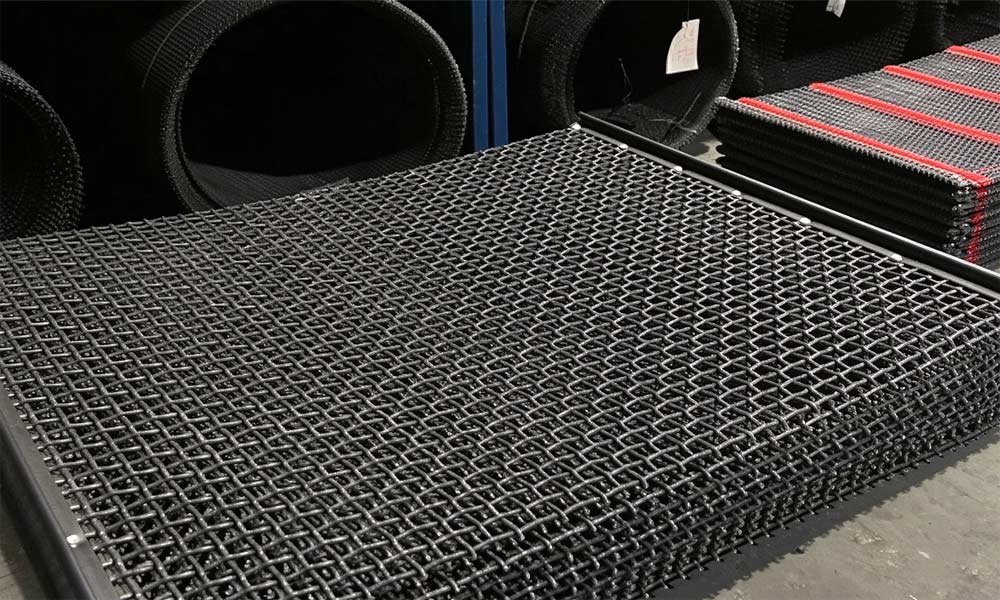
Mastering the initial engagement for samples and prototypes sets the tone for a successful supplier relationship. By providing clear specifications, asking informed questions about timelines, and fostering open communication, you efficiently gather the data needed to make the best decision for your woven metal screens procurement, ensuring the final product meets both your technical requirements and project schedule.