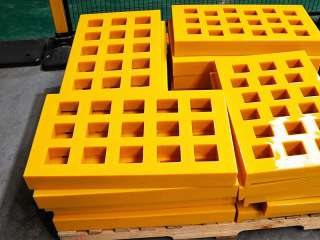
 Screen Panels in Phosphate Ore Beneficiation">
Polyurethane Screen panels sound like a great choice—they’re known for standing up to wear—but if they can’t handle both the grinding and the acid, you’re going to see a lot of downtime and wasted money
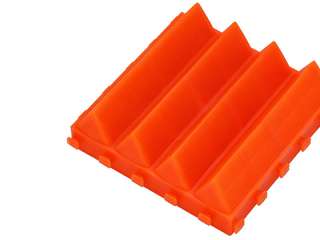 Screens for Aggregate Washing and Screening">
In aggregate washing and Screening plants, achieving efficient dewatering while withstanding constant abrasive and hydraulic wear is a major operational challenge Polyurethane Screens have become a go-to solution
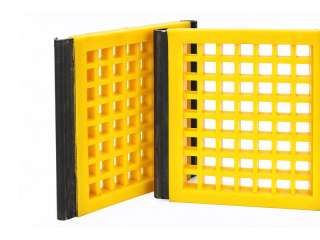 Screen-Changing System for Polyurethane Tensioned Screen Panels">
The effectiveness of high-quality polyurethane tensioned Screen panels hinges entirely on the frame that supports them and the system used for their installation
 Screens for Heavy Mineral Ore Beneficiation">
Polyurethane Screens are a popular choice, but not all PU is created equal Relying on generic material specs is a gamble
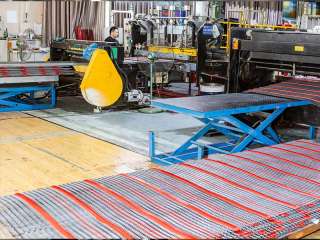 Screens Design for Water Flow and Anti-Clogging in Tailings Processing">
With standard Screens, you’ll notice they get blocked fast—especially with clay-rich slurries, water stops flowing and the whole process grinds to a halt That’s why self-cleaning Screens are essential
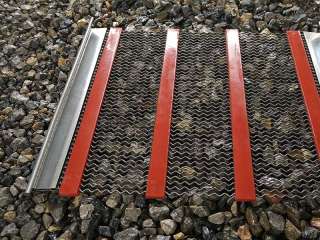 Screens and Common Installation Errors">
The advanced vibration technology of a self-cleaning Screen is only as reliable as its installation A poorly tensioned Screen deck will fail prematurely, regardless of its self-cleaning capabilities
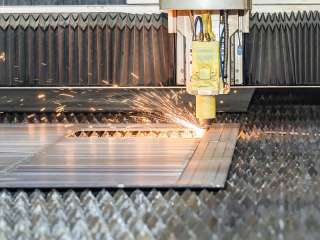 Screens to Self-Cleaning Screens">
Upgrading from standard Screens to self-cleaning models is a significant capital investment To justify it, you need a clear, numbers-driven calculation of return on investment that goes beyond the simple purchase price
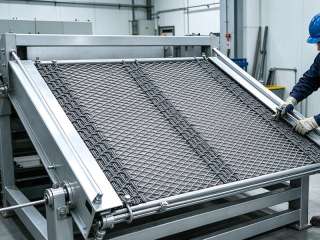 Screens">
The promise of a self-cleaning Screen lies in its ability to generate the precise motion needed to shed sticky material The core of this capability is the principle of independent vibration frequency
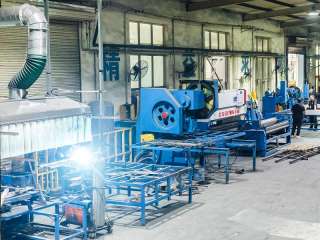 Screens for High-Moisture Coal Screening">
Screening high-moisture, sticky coal is a constant battle against blinding Self-cleaning Screens promise a solution, but not all live up to the claim under real, wet conditions
 Screens">
The Screen s ability to maintain its precise opening size under load and vibration This is where the fundamental construction difference between double-crimp and single-crimp woven wire Screens dictates their lifespan and accuracy
