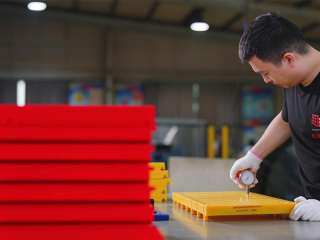
As industries prioritize sustainability, managing waste polyurethane screen panels has become a key challenge Their robust design complicates disposal, making simple landfilling wasteful and increasingly costly
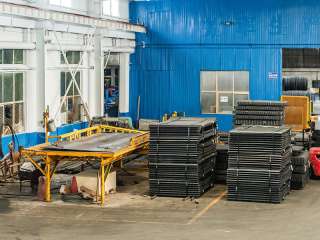
Placing a woven metal screen directly at a crusher discharge outlet subjects it to severe punishment from falling rock Achieving reliable performance here requires impact-resistant structural integrity
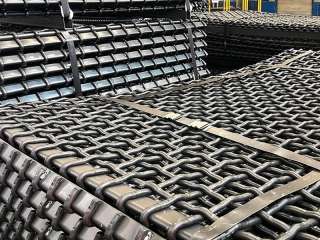
Selecting metal woven screens for high-frequency vibrating equipment requires finding the optimal balance between wire diameter and open area ratio
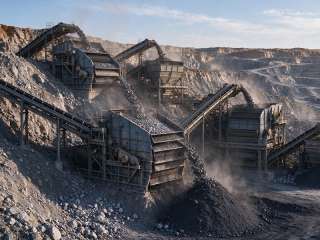
Screening chrome ore demands equipment that can endure high density, sharp particles, and heavy loads A focused selection scheme for a high-strength woven screen is essential to prevent premature failure
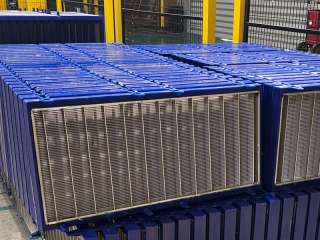
The zinc ore beneficiation subjects screening equipment to a harsh combination of abrasive ore particles Wedge wire screens must therefore demonstrate robust wear and corrosion resistance to maintain performance and longevity
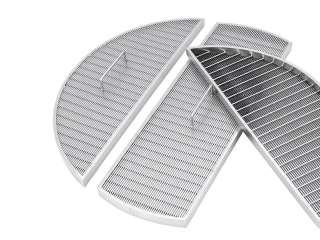
In the critical process of extracting lithium from salt lake brine, the wedge wire metal screen is a key filtration component Its performance directly affects purity, efficiency, and uptime
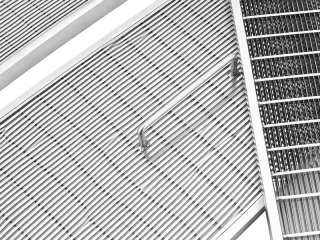
The main ways of fixing the wedge wire screen panels—welding or mechanical locking—take pretty different paths, each with its own upsides and best-fit scenarios
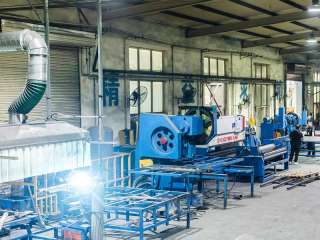
Rubber screen panels have emerged as a superior solution, specifically engineered to withstand these dual challenges of severe abrasive wear from hard, sharp-edged particles
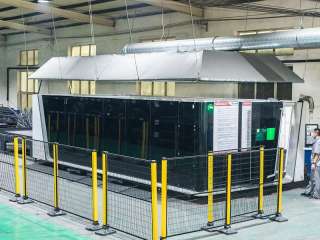
Processing sticky phosphate ore poses a significant challenge for operators The design of rubber screen panels addresses this issue, significantly minimizing clogging during material processing
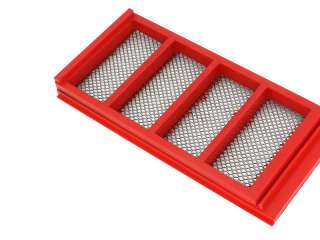
Standard screens really don’t stand a chance here That’s where self-cleaning screens come in They’re built for these exact conditions, using clever design and smart materials to keep things moving, even when the going gets gummy
