 Screen Panel Replacement Cycles: Wear Monitoring and Spare Parts Planning">
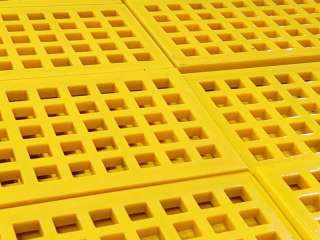
The solution of unplanned Screen panel failures is shifting from reactive replacement to a predictive system for polyurethane Screen panel replacement cycles based on wear monitoring and data-driven spare parts planning
 Screens In Preventing Clogging for Screening Sticky Materials">
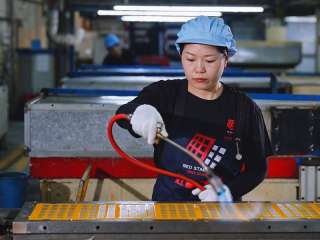
Processing sticky, high-moisture materials like clay-rich spodumene is a constant fight against Screen blinding The structural design of polyurethane Screens tackles this problem at its source
 Screens in Lithium Ore Beneficiation">
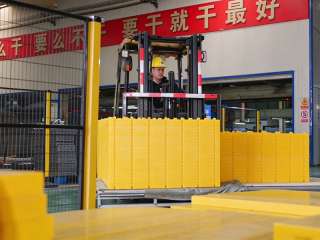
With global demand for battery-grade lithium constantly outpacing supply, spodumene plants are getting creative and relentless about squeezing more efficiency out of every part of their process Shifting to fine polyurethane Screens is necessary
 Screen Panels">
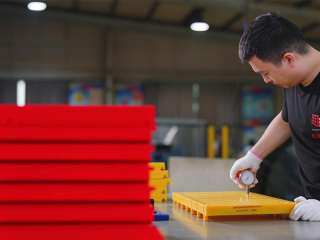
As industries prioritize sustainability, managing waste polyurethane Screen panels has become a key challenge Their robust design complicates disposal, making simple landfilling wasteful and increasingly costly
 Screens">
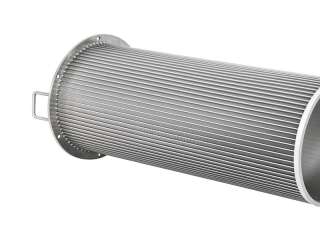
When selecting Screening media for mineral processing, the decision often comes down to woven wire Screens or wedge wire Screens The real question extends beyond the initial price tag
 Screens at Crusher Discharge Outlets">
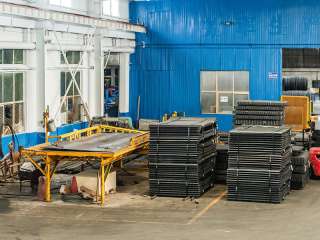
Placing a woven metal Screen directly at a crusher discharge outlet subjects it to severe punishment from falling rock Achieving reliable performance here requires impact-resistant structural integrity
 Screens Handling Cohesive Materials such as Bauxite">
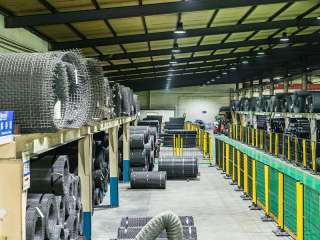
For metal woven Screens, implementing a proactive anti-clogging design is essential to maintain throughput and separation accuracy
 Screens Used in High-Frequency Vibrating Equipment">
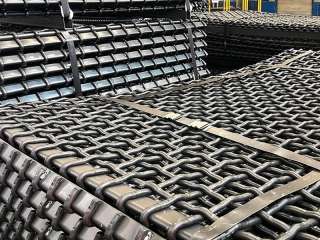
Selecting metal woven Screens for high-frequency vibrating equipment requires finding the optimal balance between wire diameter and open area ratio
 Screen for Chrome Ore Screening">
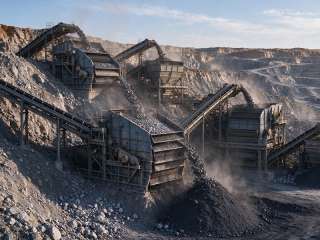
Screening chrome ore demands equipment that can endure high density, sharp particles, and heavy loads A focused selection scheme for a high-strength woven Screen is essential to prevent premature failure
 Screens in the Zinc Ore Beneficiation Process">
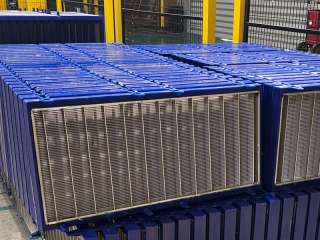
The zinc ore beneficiation subjects Screening equipment to a harsh combination of abrasive ore particles Wedge wire Screens must therefore demonstrate robust wear and corrosion resistance to maintain performance and longevity
