Application of Polyurethane Fine Screens in Lithium Ore Beneficiation
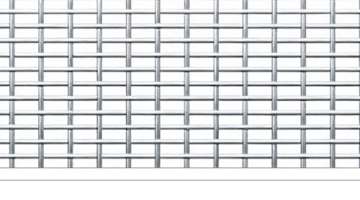
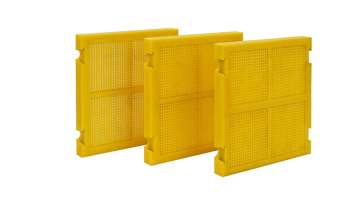
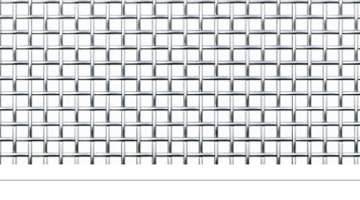
With global demand for battery-grade lithium constantly outpacing supply, spodumene plants are getting creative and relentless about squeezing more efficiency out of every part of their process. One upgrade that doesn’t get enough credit? Swapping out old metal fine decks for fine polyurethane screens. Unlike stiff steel mesh, which tends to stretch, clog up, and wear unevenly from the constant pounding of lithium ore, these polyurethane panels are built for exactly the tight aperture sizes lithium processing needs. What used to be a maintenance headache turns into a stable, fast-moving part of the plant that actually boosts concentrate recovery.
Consistent Sizing That Protects Downstream Flotation
Take this one lithium plant in Western Australia, for example. They were running a 1.8 million ton per year operation and decided to switch their 0.28mm stainless steel fine screens for polyurethane screens with identical openings. Just like that, they saw 13% less oversized material sneaking into the flotation feed. That seemingly small tweak fixed the uneven particle sizes that had been hurting their flotation results for months—suddenly their final Li2O concentrate grade jumped from 5.7% to 6.0%. And they didn’t even have to adjust their reagent dosing or mess with the float tanks. Another surprising bonus? The polyurethane screens soak up vibration instead of sending it through the screen frame, which means less wear and tear on the whole screening machine and longer equipment life.
Why Lithium Slimes Break Ordinary Fine Screens
The lithium feed is the issue, not the machine. Spodumene itself is hard and comparatively kind to a deck, but the ore almost never arrives alone: weathered cap rock brings clay, alteration zones bring mica and sericite, some deposits carry talc and chlorite that act like soap in water, and the comminution circuit generates a cloud of minus-45-micron material that wants to plaster every opening. A traditional woven fine mesh sits rigid while that slime films over the wires, the open area collapses, the bed thickens, and the flotation feed suddenly arrives at the bank of cells already misclassified. Steel fine mesh also corrodes in the pH-swung, reagent-laden lithium circuit, and once pitting starts at the crimp the aperture drifts silently. Rubber fine panels resist some of this but struggle with the tight, consistent slots needed for desliming and precise cut points around the 75–300 micron range.
Slot Geometry for Desliming and Cut-Point Control
A Polyurethane Fine Screen in lithium beneficiation lives mostly in desliming, dewatering of flotation concentrate, and sometimes pre-classification before magnetic or gravity cleanup. The magic is in the slot, not the brand. Tapered slots—narrow at the top, wider underneath—let near-size mica and talc particles enter, fail to wedge, and get rejected back into the bed, while liberated spodumene fractions and processed fines pass or report correctly depending on the stage. On a deslime deck, the Polyurethane Fine Screen keeps the minus-20-micron slime out of flotation, which matters enormously because fine slimes consume collector, stabilize froth, drag mica into the concentrate, and make the roaster or converter downstream miserable. On a concentrate dewatering deck, long fine slots shed process water while holding the lithium fraction, so the filter feed arrives at a moisture the thickener and filter were actually designed for.
Compound Choice in a Reagent-Rich Circuit
Lithium circuits are chemically busy: fatty-acid collectors for feldspar/mica removal, amine collectors for silicate flotation, pH modifiers, dispersants, sometimes sulfate or caustic digestions depending on the route. A Polyurethane Fine Screen that loves coal slurry can still swell, soften, or lose tear strength in a lithium reagent mix if the compound was never specified for it. Polyether-based PU usually wins the hydrolysis resistance battle in continuously recycled alkaline-to-mildly-acidic water, while the additive package decides anti-stick behavior against talc-like slime. Shore hardness is a balancing act: too soft and the fine slots lose their edge under bed load, too hard and the panel stops self-relieving pegging on sticky mica. Many lithium plants land in the 80–90 Shore A band for fine dewatering/classification zones, with a smoother molded skin on the top face and a tougher, sometimes mineral-filled crown where abrasive gangue rides the feed end. The point is that a Polyurethane Fine Screen is not "PU" as a noun—it is a compound recipe, a slot drawing, an edge-reinforcement detail, and a support-bar spacing decision bundled into one panel.
Wear Life That Cuts Unplanned Shutdowns
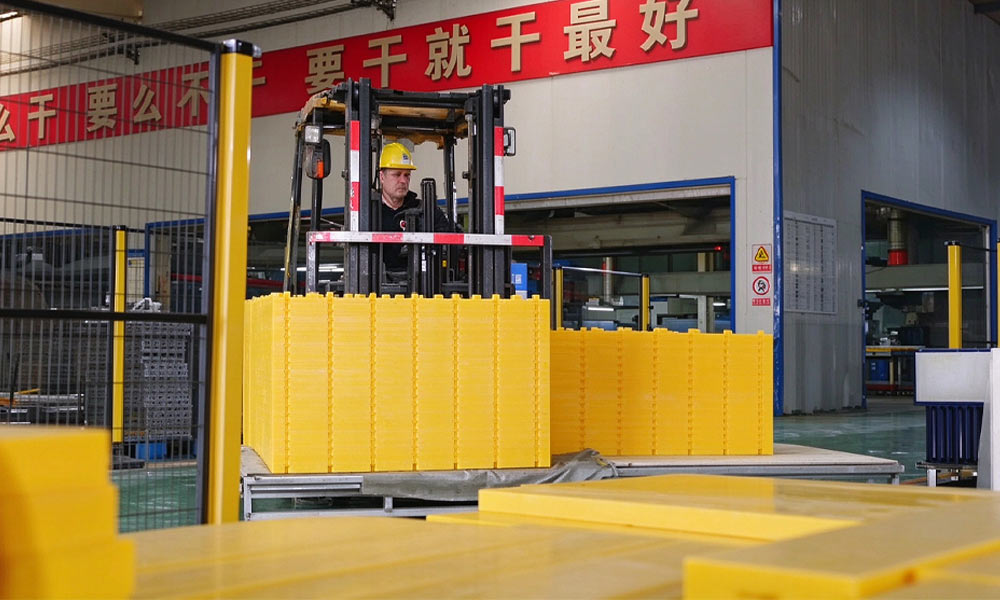
Before the upgrade, the plant’s original steel fine screens needed full replacement every 19 operating days, but the new fine polyurethane screens delivered a verified 74 days of continuous runtime before any section required swapping. Their modular, bolt-in panel design also let a two-person maintenance crew replace a worn section in 20 minutes, compared to the full two hours needed to cut, stretch, and tension a new sheet of steel mesh. This single change cut annual screening-related downtime by 78 hours, adding nearly 10 extra full production days to the plant’s annual schedule.
Anti-Clog Performance That Reduces Operating Costs
The smooth, tapered polyurethane openings cut near-size particle blinding by 71% compared to the old steel decks, so operators no longer needed to run high-pressure spray water at full capacity just to keep the polyurethane fine screen open. This let the facility reduce process water flow to the fine screening station by 21%, cutting annual water consumption by more than 13,200 m³ and lowering the load on their downstream thickener and dewatering systems.
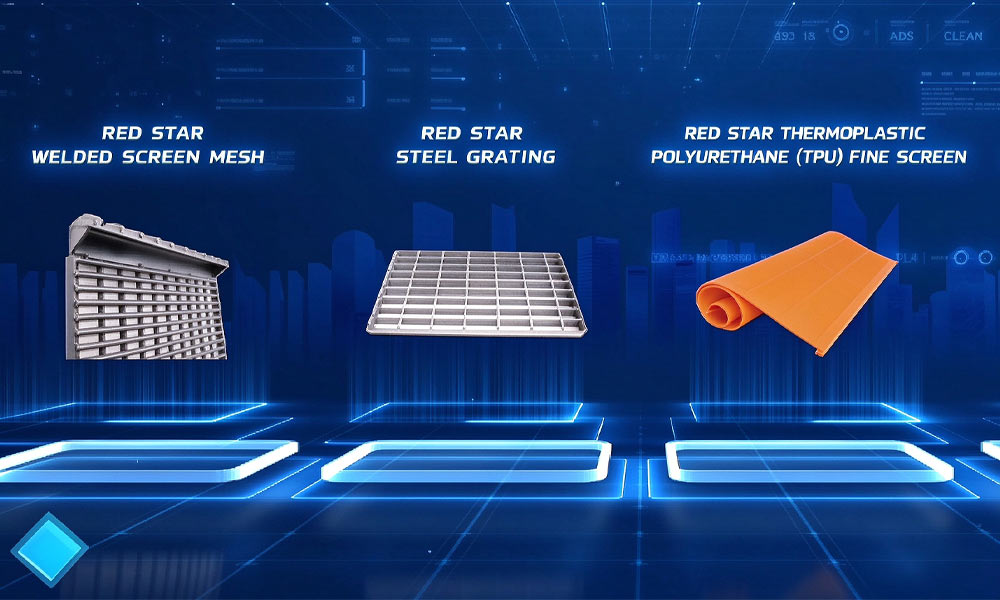
If your lithium beneficiation line is still fighting constant screen clogs, unexpected mesh tears, and inconsistent fine sizing, this kind of targeted upgrade delivers far faster returns than most costly full-circuit overhauls. The Australian plant reported a full payback on the new screens in just over 7 months, with ongoing savings adding up every month from reduced maintenance and higher concentrate output. Reach out to a screening specialist who understands lithium ore properties, and ask for a trial panel sized exactly to your feed gradation to test the difference on your own site.