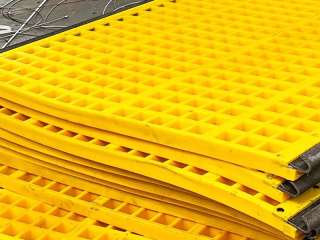
Processing zinc ore presents a unique set of challenges for screening equipment This is where specially formulated polyurethane screen panels offer a targeted anti-adhesion and wear-resistant solution
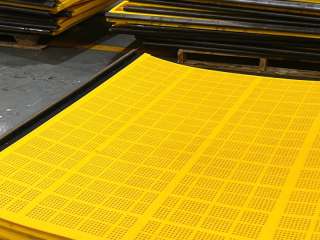
In mineral processing, vibrating screen panels face constant stress, and failure often begins at the edges While panel aperture determines separation, edge integrity dictates overall lifespan
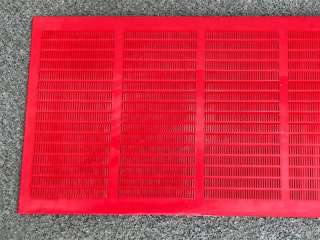
Getting water out of coal slime is a big deal in coal processing It affects everything, High-frequency vibrating screens do the heavy lifting here, and how well they work depends a lot on the screening panels you use,
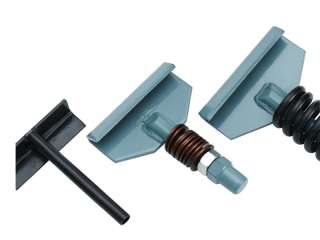
Selecting the correct screen tensioning hook is a critical yet often overlooked detail that directly impacts screen panel life and screening efficiency
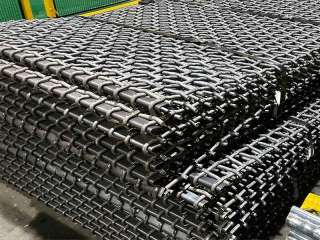
In limestone quarry operations, woven metal screens endure a relentless two-front assault The abrasive nature of crushed stone causes continuous mechanical wear
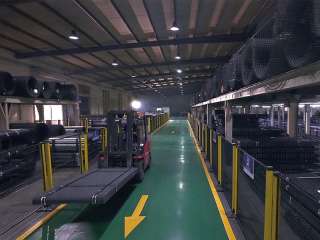
Working in humid, acidic mines is tough on metal woven screens They rust out or pit fast if you stick with standard materials To stop them from becoming a constant headache and cost, you need a real anti-corrosion strategy
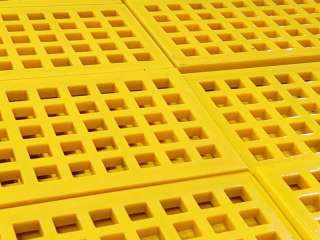
The solution of unplanned screen panel failures is shifting from reactive replacement to a predictive system for polyurethane screen panel replacement cycles based on wear monitoring and data-driven spare parts planning
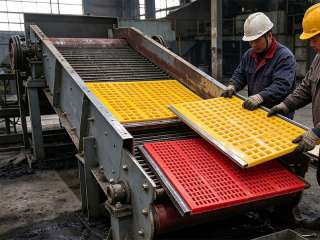
In coal prep plants, the media recovery and dewatering stages are facing a brutal combination of abrasive magnetite slurry and high-pressure spray water polyurethane screen panels are not just spare parts but a critical operational upgrade
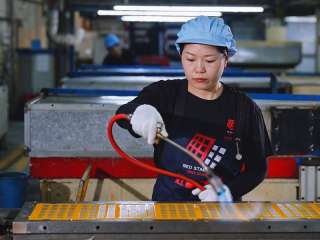
Processing sticky, high-moisture materials like clay-rich spodumene is a constant fight against screen blinding The structural design of polyurethane screens tackles this problem at its source
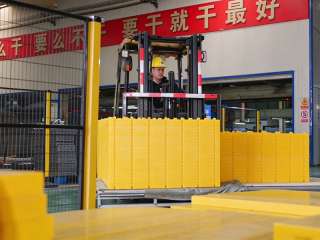
With global demand for battery-grade lithium constantly outpacing supply, spodumene plants are getting creative and relentless about squeezing more efficiency out of every part of their process Shifting to fine polyurethane screens is necessary
