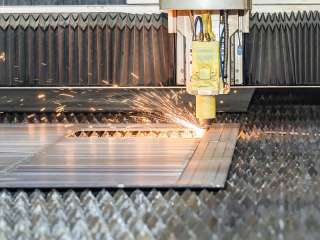
Upgrading from standard screens to self-cleaning models is a significant capital investment To justify it, you need a clear, numbers-driven calculation of return on investment that goes beyond the simple purchase price
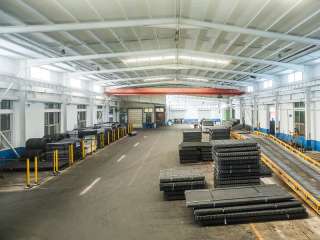
Hot-dip galvanized woven wire screens are everywhere in open-pit mines They’re supposed to stand up against the harsh elements, but let’s be real, mining throws a lot more at them than a gentle breeze or a little drizzle
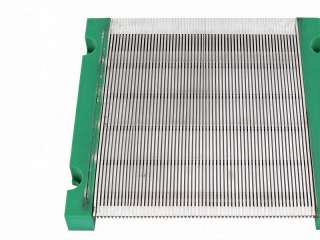
The slot width tolerance control during manufacturing is what separates a precise tool from a source of constant product variation Tight tolerances are non-negotiable for meeting precision screening requirements
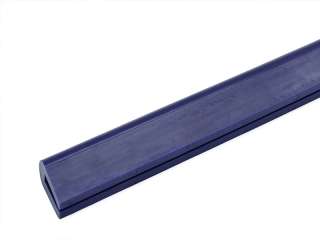
Screen clamping strips take a beating — impact from feed, constant vibration, and metal-on-metal friction wear them down until they lose grip
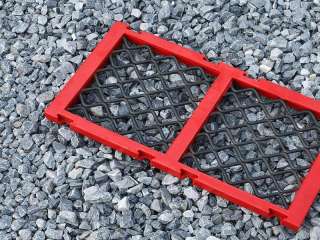
Anyone running self-cleaning screens knows that vibration settings aren t something you dial in once and forget The screening machine amplitude you choose directly controls whether fines bounce off or get hammered into the deck
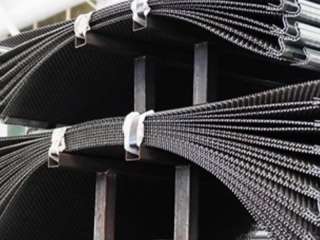
Shipping woven metal wire screen across the ocean sounds simple until your cargo arrives looking like a chemistry experiment gone wrong Salt air, humidity, and weeks inside a container , that s a recipe for rust if you skip the basics
When selecting a wedge wire screen, move beyond the slot width and profile dimensions Ask the manufacturer about their winding tension control and welding technology
Understanding the fatigue fracture mechanisms in woven metal wire mesh is the only way to stop guessing why panels crack and start planning for real longevity
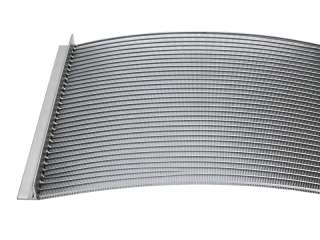
A basic replacement cycle prediction backed by simple weekly wear monitoring methods keeps your wedge wire screens performing right up to their planned end of life
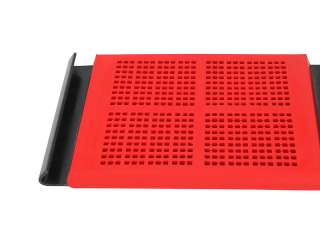
Understanding how the elongation of polyurethane materials affects the tear resistance of polyurethane screens helps in selecting screens suitable for specific operating conditions, maximizing the screen s value
