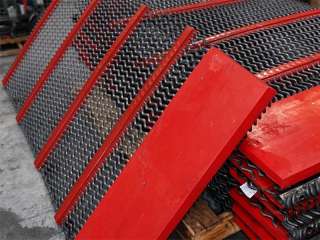
 Self-Cleaning Screens: Purchase Price and Replacement Frequency">
A full life-cycle cost calculation almost always shows that high-quality, durable Self-Cleaning Screens deliver 40–60% lower total long-term operating costs than cheaper generic screening media
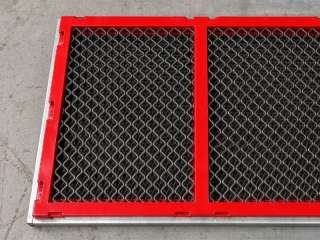 Self-Cleaning Screens">
Many traditional ore-washing trommel screens struggle to deliver consistent stripping results especially when the feed carries high moisture and heavy clay content
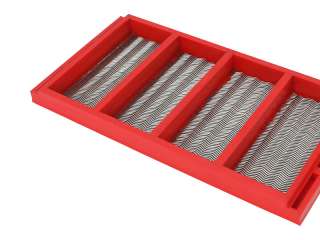 Self-Cleaning Screens of Various Specifications">
When selecting Self-Cleaning screens, it is essential to understand their pricing and overall cost-effectiveness beforehand Prices vary depending on material, specifications, and quality
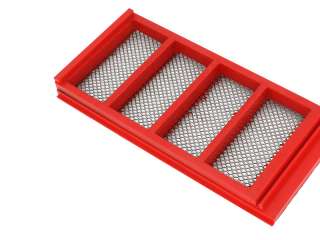 Self-Cleaning Screens under Moist and Sticky Operating Conditions">
Standard screens really don’t stand a chance here That’s where Self-Cleaning screens come in They’re built for these exact conditions, using clever design and smart materials to keep things moving, even when the going gets gummy
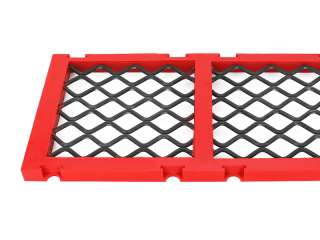 Self-Cleaning Screens in Processing Potash Materials">
The deployment of Self-Cleaning screens specifically engineered for this duty offers a powerful countermeasure Their design directly targets the root causes of material caking
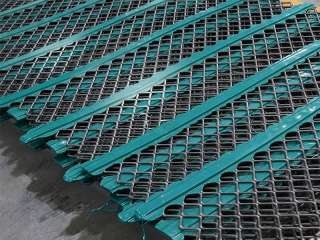 Self-Cleaning Screens">
The fine screening of iron ore is notoriously difficult, primarily due to the material s tendency to blind screens Moisture, ultra-fines, and clay bind together, clogging apertures and crippling throughput
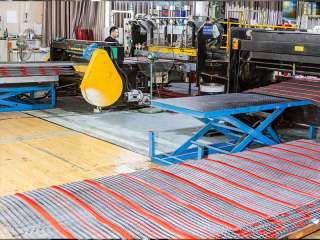 Self-Cleaning Screens Design for Water Flow and Anti-Clogging in Tailings Processing">
With standard screens, you’ll notice they get blocked fast—especially with clay-rich slurries, water stops flowing and the whole process grinds to a halt That’s why Self-Cleaning screens are essential
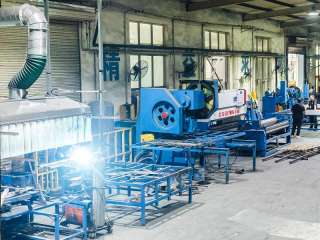 Self-Cleaning Performance of Self-Cleaning Screens for High-Moisture Coal Screening">
Screening high-moisture, sticky coal is a constant battle against blinding Self-Cleaning screens promise a solution, but not all live up to the claim under real, wet conditions
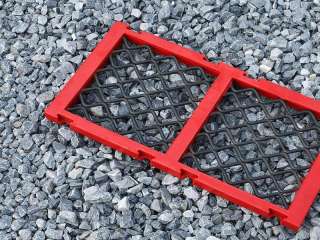 Self-Cleaning Screens">
Anyone running Self-Cleaning screens knows that vibration settings aren t something you dial in once and forget The screening machine amplitude you choose directly controls whether fines bounce off or get hammered into the deck
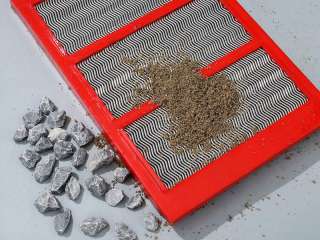 Self-Cleaning Screens in the Fine-particle Classification and Anti-caking of Quartz Sand">
Self-Cleaning screens were designed for exactly this mess Their application in anti-caking roles goes beyond just staying open; it s about keeping gradation sharp and throughput honest over long shifts
