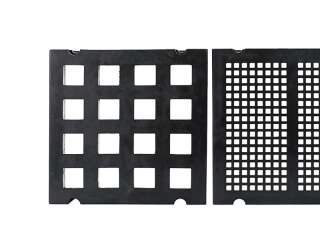
 Rubber Screens to Prevent Crystallization and Adhesion in Potash Mines">
Design scheme built specifically for Rubber Screen in Potash Mines completely eliminates both crystallization and adhesion pain points, delivering stable uninterrupted screening performance across long continuous operation cycles
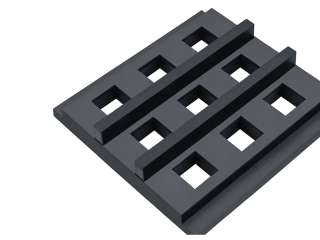 Rubber Screens on screening efficiency">
Rubber screen works on a vibrating screen precisely because it flexes, snaps back, and throws the near-size particle clear of the aperture, and once that snap-back starts to lag, throughput falls off in a way no amount of feed tuning will fix
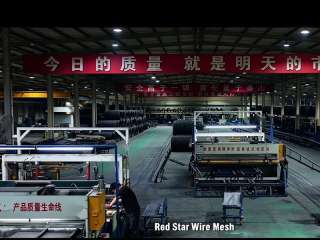 Rubber Screens">
A sensible approach follows the whole life of a Rubber screen panel — the ore it separated, the steel or textile reinforcement bonded inside it, and the value still locked in the compound
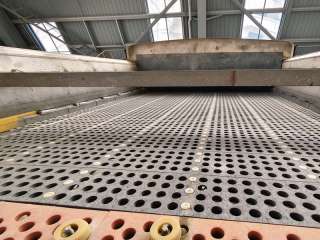 Rubber Screens">
Carbon steel reinforced Rubber screen meshes have become the go-to upgrade for high-wear screening zones in quarries, mines and recycling plants
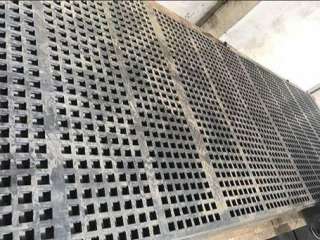 Rubber Screens be used for mining screening">
It is more appropriate to use Rubber Screens for mining screening in the following circumstances:
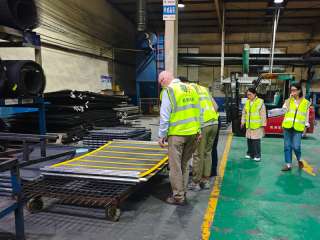
We are pleased to announce that a client from Australia recently visited Redstarscreen to tour our production facility and examine our screening products firsthand
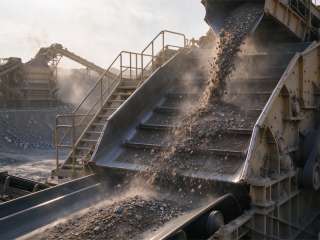
This no-fluff, field-tested guide is built on real on-site data from dozens of coal processing sites, breaking down exactly how this specialized design solves the coal slime blinding pain point
 Rubber Screen Plates in Chromium Ore Beneficiation: Impact and Corrosion Resistance">
Deploying properly formulated Rubber Screens in Chromium Ore processing circuits solves both of these core pain points, delivering far longer service life and far more stable screening performance than standard metal media
 Rubber Screen Panels">
Field-tested production scheduling recommendations will help you secure fully on-time delivery for your bulk Rubber Screen Panels orders, with zero unexpected delays or hidden extra costs
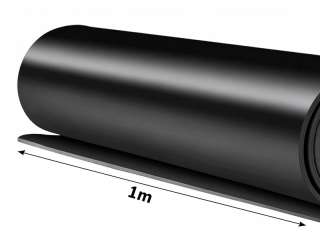 Rubber Screen">
Flame-Retardant Rubber Screen are designed to eliminate this avoidable risk completely, protecting both your on-site crew and your long-term operational compliance status
